
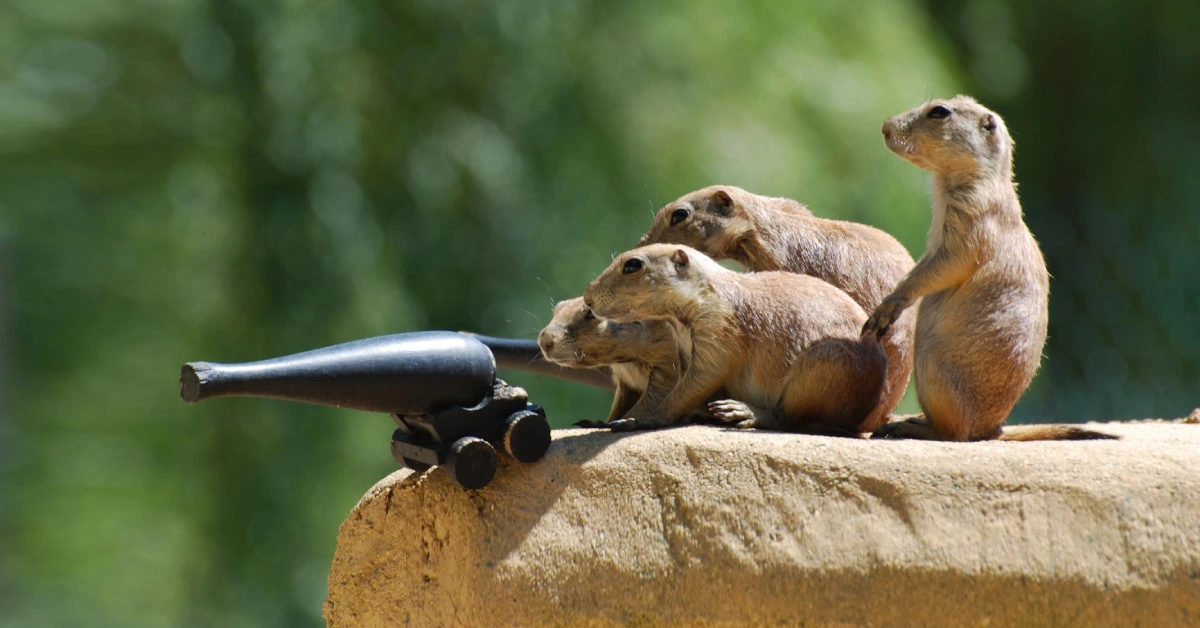
Taking memorable wildlife photos means combining technical skill with perfect timing. You also need to understand how animals behave in their natural settings.
Getting physically closer to your subject lets you capture small details and create powerful visual stories. Remember to always respect the animals you photograph and never create situations that could stress or harm them.
Creativity
You can take your wildlife images beyond simple documentation by applying creative techniques. Whether you prefer close-up animal portraits or fast-paced action shots, use your knowledge of lighting, color balance, and framing to make your photographs stand out.


Build an emotional bridge between your image and your viewers. When someone feels a connection to your photo, they become more invested in the animal’s survival and habitat protection. Direct eye contact between the subject and the camera creates the strongest viewer connection.
Watch out for distracting elements in your frame. Small details like stray branches, rocks at the edge of your composition, or cluttered backgrounds can pull attention away from your main subject.
The relationship between your subject and the viewer matters most in wildlife photography. Position the animal thoughtfully within your frame and use negative space intentionally rather than letting empty areas dominate the composition. This creates balance without making the subject feel lost or insignificant.
Nature
The natural environment surrounding your subject plays a major role in creating engaging wildlife images. Using authentic habitat elements as your background helps you tell richer stories about animal behavior and relationships. A photo showing two animals interacting in their ecosystem can raise awareness about endangered species and the habitats they depend on.
Adding motion to your wildlife shots increases their visual interest. You can capture flowing rivers, cascading waterfalls, or wind moving through grass and trees. Try using slower shutter speeds to render these movements as smooth, artistic blurs that contrast with your sharp subject.
Patience ranks among the most valuable skills for wildlife photographers. You won’t walk up to an animal and immediately capture a perfect image. Success requires careful planning, researching animal patterns, and knowing where to position yourself for the best opportunities. Study your target species before heading into the field.
Technology
For decades, photographers in Key West and others have carried cameras into remote wilderness areas to document animal habitats and challenging terrain. These high-quality images, featured in major publications and online platforms, have increased public awareness about wildlife conservation challenges.
Capturing excellent wildlife photos demands significant patience and preparation. Learn about the daily habits, seasonal migration patterns, and preferred environments of the species you want to photograph. Invest in sturdy equipment that handles rough weather conditions and withstands the demands of outdoor shooting.
A telephoto lens lets you zoom in on distant subjects while creating that desirable background blur. Stay alert because wildlife behaves unpredictably. Some animals startle easily and disappear before you can photograph them. Others present safety risks that require you to keep your distance and use longer focal lengths instead.
Modern camera technology has transformed wildlife photography. Faster autofocus systems track moving animals more accurately. Higher ISO capabilities let you shoot in low-light conditions like dawn and dusk when many animals are most active. Weather-sealed camera bodies protect your gear from rain, dust, and humidity.
Ethics
Wildlife photographers must put animal welfare first, no matter what equipment they use, which techniques they apply, or what artistic vision they pursue. Never feed wild animals or change their natural behavior just to get a shot.
Be completely transparent about your photographic process. If you combined multiple images to create a final composition, explain that clearly. This honesty becomes especially important when photographing endangered animals because sharing location details could help poachers find vulnerable populations.
Respect other photographers and their work in the field. Someone may have waited hours in a specific location for an animal to appear. Approaching their spot without permission can scare away the subject and waste everyone’s time. Too many people gathered near wildlife creates stress for animals and damages sensitive ecosystems where populations are already struggling.
Keep a safe distance that protects both you and the animals. Use longer lenses instead of getting physically closer. Avoid making loud noises or sudden movements that could alarm your subjects. Leave the environment exactly as you found it, taking only photographs and leaving only footprints.
What Focus Point for Wildlife Photography?
Selecting the right focus point makes the difference between a sharp, compelling image and a missed opportunity. Here are the four most effective focus points:
- Eye of the Animal: The subject’s eyes should be your primary focus target. Sharp, clear eyes pull viewers into the photograph and create an immediate emotional connection with the animal.
- Face or Head: When you can’t get a clear focus on the eyes, aim for the face or head region. This keeps the most recognizable part of the animal crisp and detailed.
- Leading Edge of the Animal: For animals in motion, focus on the front edge—usually the head or front shoulders. This technique captures the sense of movement while maintaining sharpness where it matters most.
- Specific Points of Interest: Your composition and the animal’s behavior should guide your focus choice. You might target a predator’s extended claws during a hunt or a bird’s outstretched wings during flight.
Your focus point should match the story you want your photograph to tell. Practice switching between focus modes and points so you can adapt quickly when wildlife behavior changes.
Conclusion
Wildlife photography rewards those who combine technical knowledge with respect for nature. You’ll improve with each outing as you learn to anticipate animal behavior, adjust your camera settings quickly, and compose shots that tell meaningful stories. Start with animals in your local area before traveling to exotic locations. Practice your focus techniques, experiment with different lighting conditions, and always prioritize the animal’s comfort over getting the perfect shot. The skills you build today will help you create photographs that not only showcase nature’s beauty but also inspire others to care about protecting wild animals and their habitats.