The Core Principles of Modern Apartment Design
 The way we live is changing fast. For many of us, urban apartment living has become a key part of our lives. We are no longer just looking for four walls. We want homes that fit our busy schedules and modern needs.
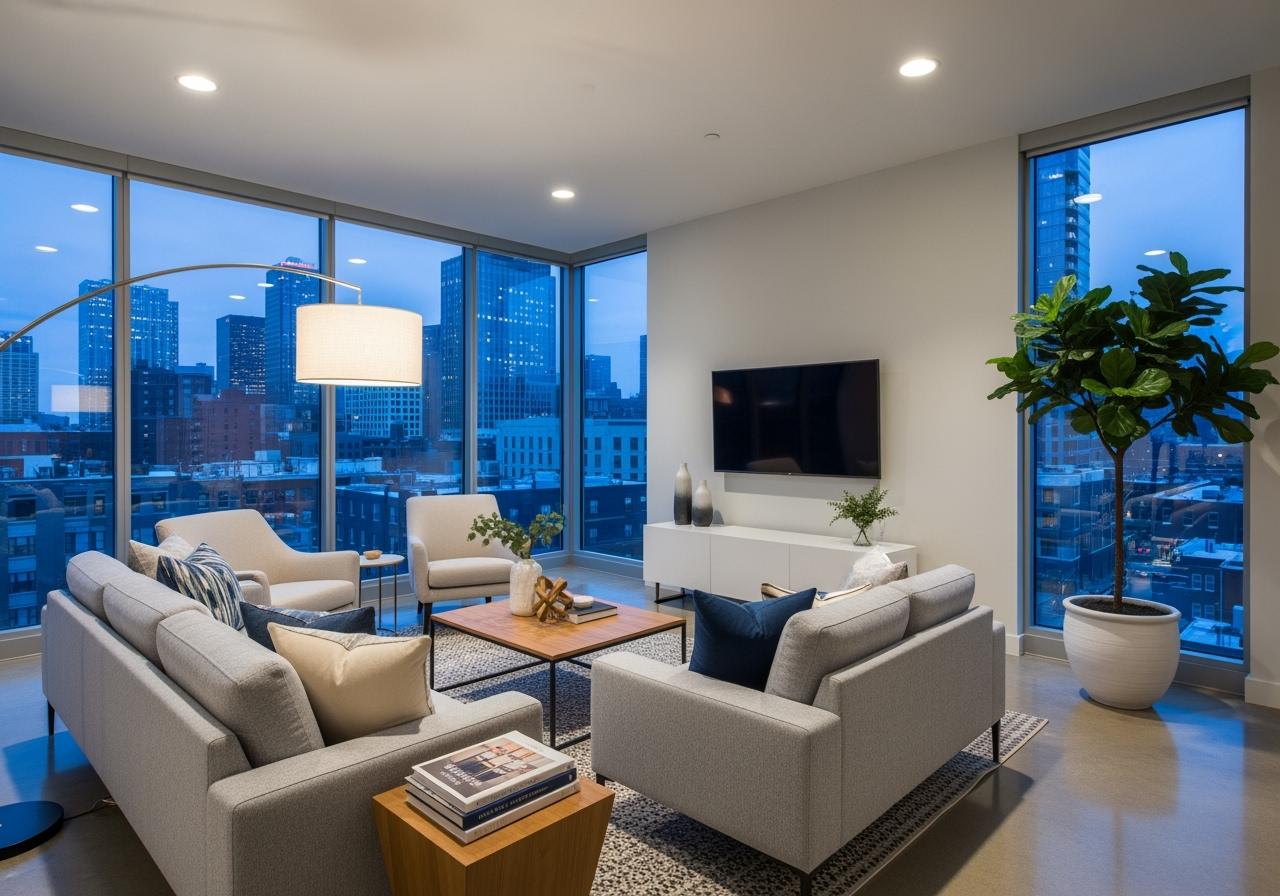
Imagine stepping into a bright, open-concept living room, bathed in natural light from large windows. This vision captures the essence of modern apartment living. These homes are carefully designed to support our lifestyles, offering smart functionality and a welcoming atmosphere. Whether we’re looking for temporary stays or long-term residences, understanding these new trends is key. For example, many renters now prioritize solutions like Detroit modern apartment living for their blend of style and convenience.
We will explore the core principles that define modern apartment living. We’ll examine how thoughtful design, smart technology, and community features are shaping our urban homes. We will also look at how to make the most of every space and overcome common apartment challenges.

At its heart, modern apartment living rests on four key pillars:
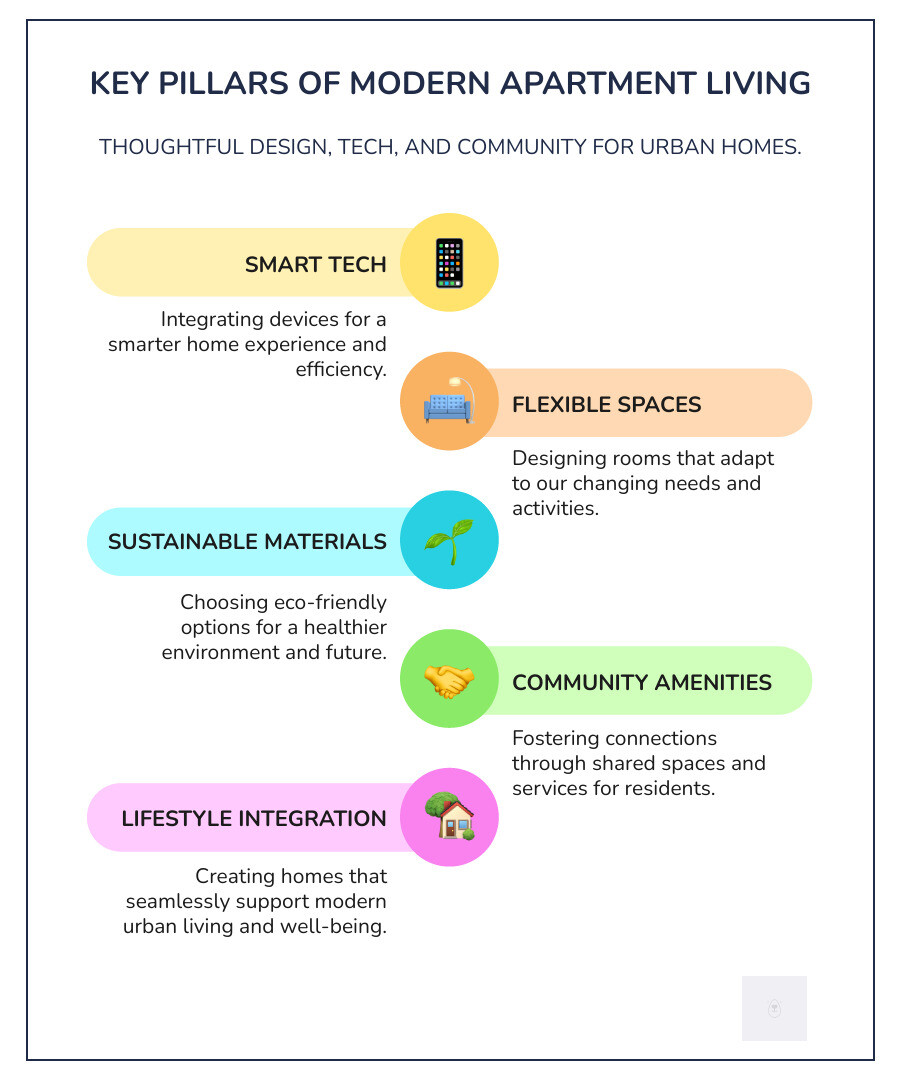
- Smart Tech: Integrating devices for a smarter home experience.
- Flexible Spaces: Designing rooms that adapt to our changing needs.
- Sustainable Materials: Choosing eco-friendly options for a healthier environment.
- Community Amenities: Fostering connections through shared spaces and services.
Modern apartment design is a deliberate approach that prioritizes functionality, simplicity, and an aesthetic that resonates with contemporary lifestyles. At its core, it’s about creating spaces that feel expansive, organized, and effortlessly stylish, even within urban constraints.
The defining characteristics include:
- Clean Lines and Minimalist Aesthetics: This is perhaps the most recognizable trait. Modern design shuns excessive ornamentation, favoring smooth surfaces, geometric shapes, and uncluttered environments. This approach not only creates a sense of calm but also visually expands the space, making it feel less confined.
- Open Floor Plans: Modern apartments often feature layouts that seamlessly connect living, dining, and kitchen areas. This open-concept design fosters a sense of flow and spaciousness, allowing natural light to penetrate deeper into the home and promoting social interaction.
- Abundant Natural Light: Maximizing natural light is paramount. Large windows, often floor-to-ceiling, are a hallmark of modern apartments, blurring the lines between indoor and outdoor environments. This not only brightens the space but also improves mood and reduces the need for artificial lighting during the day.
- Functionality First: Every element in a modern apartment is chosen for its purpose and utility. Furniture is often multi-functional, storage solutions are integrated and discreet, and layouts are designed to optimize daily routines.
- Neutral Color Palettes: A sophisticated backdrop of whites, grays, and beiges allows architectural details and carefully selected furnishings to stand out. These neutral tones also contribute to the airy and bright feel, providing a versatile canvas for personal touches and decor.
To better understand these principles, let’s compare them with traditional apartment design:
Feature Modern Apartment Design Traditional Apartment Design Layout Open-concept, fluid transitions between spaces Defined, separate rooms with clear boundaries Color Palette Neutral (whites, grays, beiges) with occasional bold accents Richer, warmer tones (creams, browns, deep colors), patterned wallpapers Materials Natural (wood, stone, metal, glass), polished concrete Ornate wood, patterned fabrics, decorative tiles, carpets Furniture Sleek, minimalist, often multi-functional, low-profile Substantial, often upholstered, decorative carvings Lighting Layered, natural light prioritized, subtle fixtures Central chandeliers, lamps with decorative shades Decor Intentional, curated, “less is more” Abundant, decorative, often sentimental, patterned Distinguishing Modern from Contemporary
While often used interchangeably, “modern” and “contemporary” in design parlance refer to distinct styles. Understanding this difference is key to achieving a truly modern apartment aesthetic.
- Modern Design refers to a specific historical period, primarily the early to mid-20th century (roughly the 1920s to 1970s). It emerged from a rejection of ornate Victorian styles, embracing industrialization and new materials. Key characteristics include clean lines, geometric forms, natural materials (wood, leather, metal), and a focus on functionality. Think of iconic mid-century modern furniture pieces – they embody this style. It’s a fixed, identifiable aesthetic.
- Contemporary Design, on the other hand, is fluid and changing. It refers to what is current and popular right now. It borrows elements from various styles, including modernism, minimalism, and even deconstructivism. Contemporary design can incorporate curves, bold colors, and experimental materials, reflecting current trends. It’s dynamic and changes with the times.
All modern design can be seen as contemporary at one point, but not all contemporary design is modern. When designing a “modern apartment,” we often blend the timeless principles of modernism (clean lines, functionality) with contemporary sensibilities (current materials, adaptable layouts) to create a space that feels fresh and relevant today.
The “Less is More” Philosophy
The mantra “less is more” is foundational to modern apartment living. It’s not just about decluttering; it’s a philosophy that guides every design decision, from furniture selection to decorative accents.
This approach involves:
- Intentional Decor: Every item in a modern apartment serves a purpose or holds significant aesthetic value. We avoid unnecessary clutter, ensuring that each piece contributes to the overall tranquility and visual harmony of the space.
- Negative Space: Embracing empty space on walls and floors is crucial. This “negative space” allows the eye to rest, making the apartment feel more open and less cramped. It highlights the architectural features and the few, carefully chosen decorative elements.
- Quality Over Quantity: Rather than filling a space with many inexpensive items, we invest in fewer, high-quality pieces that are durable, well-designed, and timeless. This not only lifts the aesthetic but also contributes to sustainability.
- Creating a Calm Environment: By minimizing visual noise and prioritizing order, modern design fosters a sense of calm and serenity. This is particularly valuable in the busy urban environment, providing a peaceful sanctuary to retreat to.
Maximizing Space and Style in Modern Apartment Living
Urban apartments, by their nature, often come with spatial limitations. However, modern design excels at turning these challenges into opportunities for creative and ingenious solutions. Maximizing space and style in a modern apartment is about smart choices that improve both functionality and aesthetic appeal.
Strategic Use of Color and Materials
The palette and textures we choose are powerful tools for shaping the perception and feel of an apartment.
- Neutral Palettes: As discussed, neutral colors like white, various shades of gray, and beige form the backbone of modern apartment interiors. Crisp white walls, in particular, are a designer trick to make a room feel more open and brighter, reflecting light and creating an airy atmosphere.
- Natural Materials: Bringing the outdoors in is a key element. We favor natural materials such as light wood tones for flooring or furniture, stone accents like marble or quartz for countertops, and polished concrete for a raw, industrial-chic edge. These materials add warmth and texture without overwhelming the minimalist aesthetic.
- Metal Hardware: Sleek metal accents, whether in brass, matte black, or brushed nickel, provide sophisticated touches. These are often seen in light fixtures, cabinet pulls, or furniture legs, adding a subtle gleam and definition.
- Glass Partitions: Where privacy is not paramount, glass partitions can be used to divide spaces without blocking light or sightlines, maintaining the open feel while delineating zones.
Smart Furniture for Modern Apartment Living Functionality
In modern apartment living, furniture isn’t just about aesthetics; it’s about intelligent design that adapts to our needs.
- Multi-functional Furniture: Pieces that serve more than one purpose are invaluable. Think sofa beds, nesting coffee tables with hidden storage, or ottomans that double as extra seating and storage. These choices allow us to maximize utility without cluttering the floor plan.
- Low-Profile Sofas and Seating: Furniture that sits closer to the ground creates an illusion of higher ceilings, making the room feel more spacious. Clean-lined, low-slung sofas are characteristic of modern design.
- Floating Shelves and Storage: Wall-mounted shelves and cabinetry free up floor space, contributing to an uncluttered look and making cleaning easier. They also offer opportunities for display without adding bulk.
- Clear Furniture (Acrylic, Lucite): Pieces made of transparent materials like glass, acrylic, or lucite can virtually disappear into a room, adding functionality without visual weight. A clear coffee table or dining chairs can make a small space feel significantly larger.
- Built-in Storage: Custom built-ins, whether integrated into walls or as part of a media console, provide seamless storage solutions that maintain the apartment’s clean lines. For those seeking ready-made solutions that blend style and convenience, exploring options for Detroit modern apartment living can reveal excellent examples of how smart furniture and integrated design are implemented in urban rental spaces.
The Art of Lighting and Decoration in Modern Apartment Living
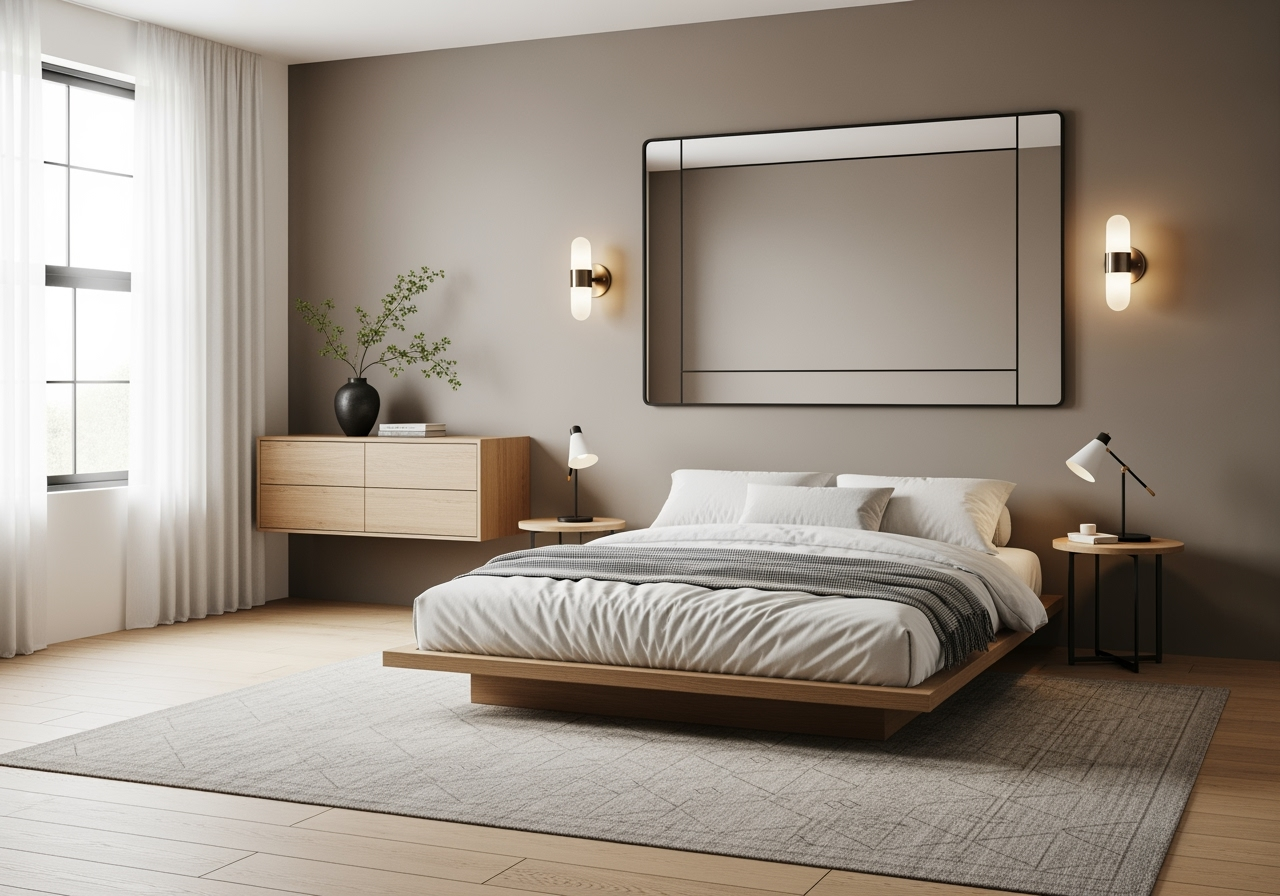
Lighting and decorative elements are not afterthoughts but integral components that improve the modern apartment experience.
- Layered Lighting: A well-lit modern apartment uses multiple light sources to create depth and ambiance.
- Ambient Lighting: General illumination, often from recessed lights or a minimalist ceiling fixture, provides overall brightness.
- Task Lighting: Focused light for specific activities, such as reading lamps by a sofa or under-cabinet lighting in the kitchen.
- Accent Lighting: Highlights architectural features, artwork, or decorative objects, adding visual interest.
- Statement Fixtures and Wall Sconces: Instead of bulky floor lamps, modern apartments often feature sleek pendant lights, track lighting, or neat wall-mounted sconces. Wall sconces are particularly effective in bedrooms, saving valuable space on nightstands.
- Large Mirrors: Strategically placed mirrors are a classic trick to bounce natural light, amplify brightness, and create the illusion of expanded space. A full-length mirror can make a narrow hallway feel wider, or a large mirror opposite a window can double the perceived light.
- Minimalist Decor: Adhering to the “less is more” philosophy, decorative elements are chosen thoughtfully. A few well-placed items, like a sculptural vase, a stack of art books, or a unique ceramic piece, are more impactful than a multitude of small trinkets.
- Indoor Plants: Greenery brings life and a touch of nature into the urban dwelling, softening the clean lines of modern design. Even faux plants can provide a vibrant accent without the need for a green thumb.
- Large-Scale Artwork: Instead of a gallery wall filled with many small pieces, a single large piece of artwork can become a focal point, adding personality and sophistication without clutter.
Essential Features of Today’s Urban Apartment
Today’s urban apartment is more than just a place to live; it’s a hub designed for efficiency, comfort, and a seamless lifestyle. Modern renters expect high-quality finishes, integrated functionality, and technology that simplifies daily tasks.
The Modern Kitchen and Bathroom
These two spaces are often the most defining in a modern apartment, showcasing both aesthetic appeal and advanced functionality.
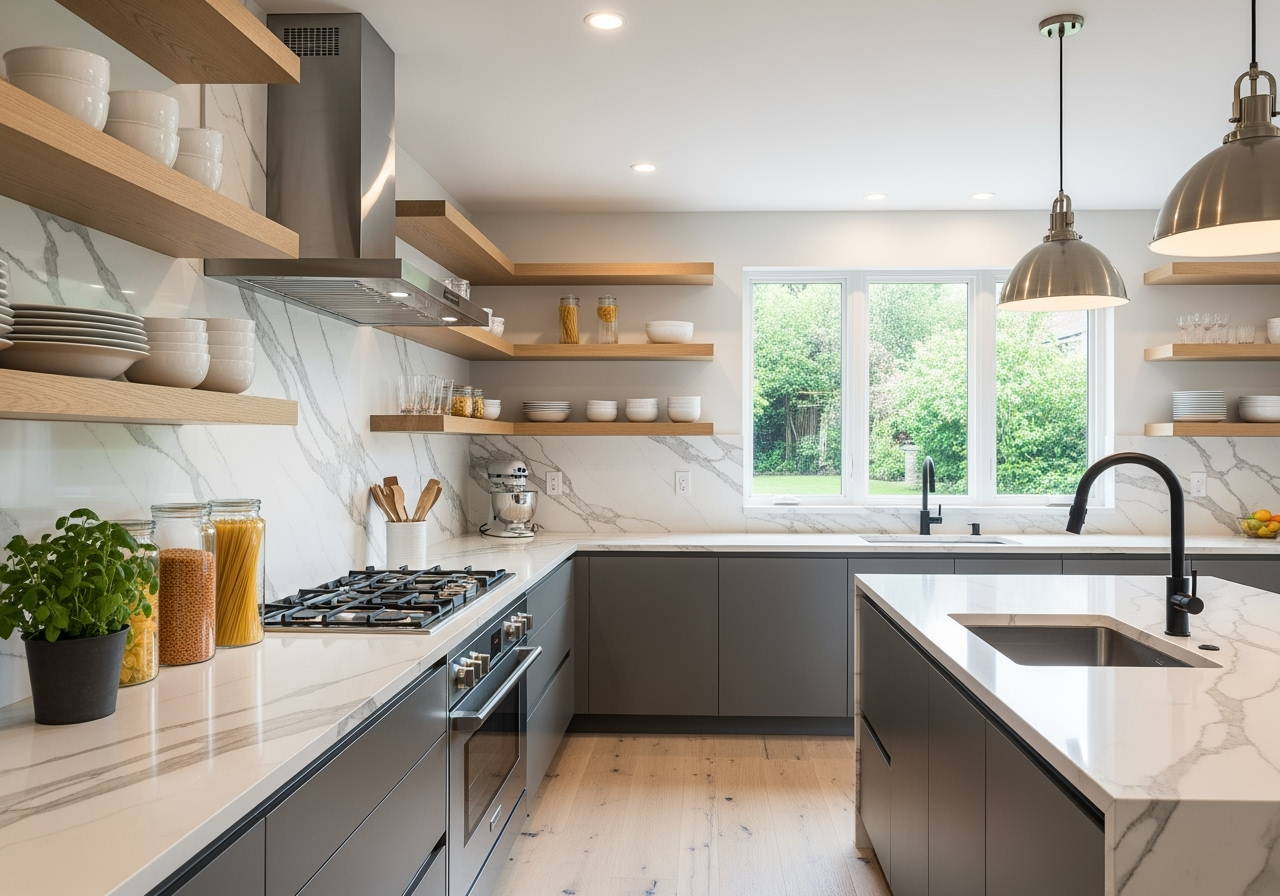
- Modern Kitchen: Expect sleek cabinetry, often handleless or with minimalist hardware, in neutral tones or natural wood finishes. Quartz or marble countertops are popular for their durability and luxurious appearance. Undermount sinks contribute to the clean lines, while smart faucets offer touchless operation or precise temperature control. Open shelving can replace some upper cabinets, making the space feel larger and providing a display area for curated items. Integrated appliances (dishwashers, refrigerators) maintain the streamlined look, blending seamlessly with the cabinetry.
- Spa-like Bathroom: Modern bathrooms aim for a serene, spa-like experience. Walk-in showers with frameless glass enclosures are common, often featuring rain showerheads and built-in niches. Floating vanities save floor space and contribute to an airy feel, while large format tiles in neutral colors create a cohesive and sophisticated look. Neat, minimalist hardware in matte black or brushed chrome completes the contemporary aesthetic.
Integrating Technology for a Seamless Lifestyle
Technology is no longer an add-on but an integrated component of modern apartment living, enhancing convenience, security, and energy efficiency.
- Smart Thermostats: Devices like Nest or Ecobee allow for remote temperature control, learning preferences, and optimizing energy use.
- Keyless Entry Systems: Smart locks provide convenience and improved security, allowing entry via smartphone, keypad, or even biometric scans.
- High-Speed Internet Infrastructure: Robust, pre-wired internet infrastructure is essential for remote work, streaming, and smart home ecosystems.
- Integrated Sound Systems: Built-in speakers or easily connectable sound systems offer entertainment throughout the apartment.
- Smart Lighting Controls: Systems that allow for dimming, color changes, and scheduling via app or voice command improve ambiance and energy savings.
- Automated Blinds: Motorized window treatments can be programmed to open and close with the sun, enhancing comfort and privacy.
For those interested in the cutting edge of urban living, exploring developments that prioritize these integrated features, such as Modern Otis apartment living, can offer a glimpse into how technology and design converge to create truly contemporary homes.
Overcoming Common Apartment Challenges
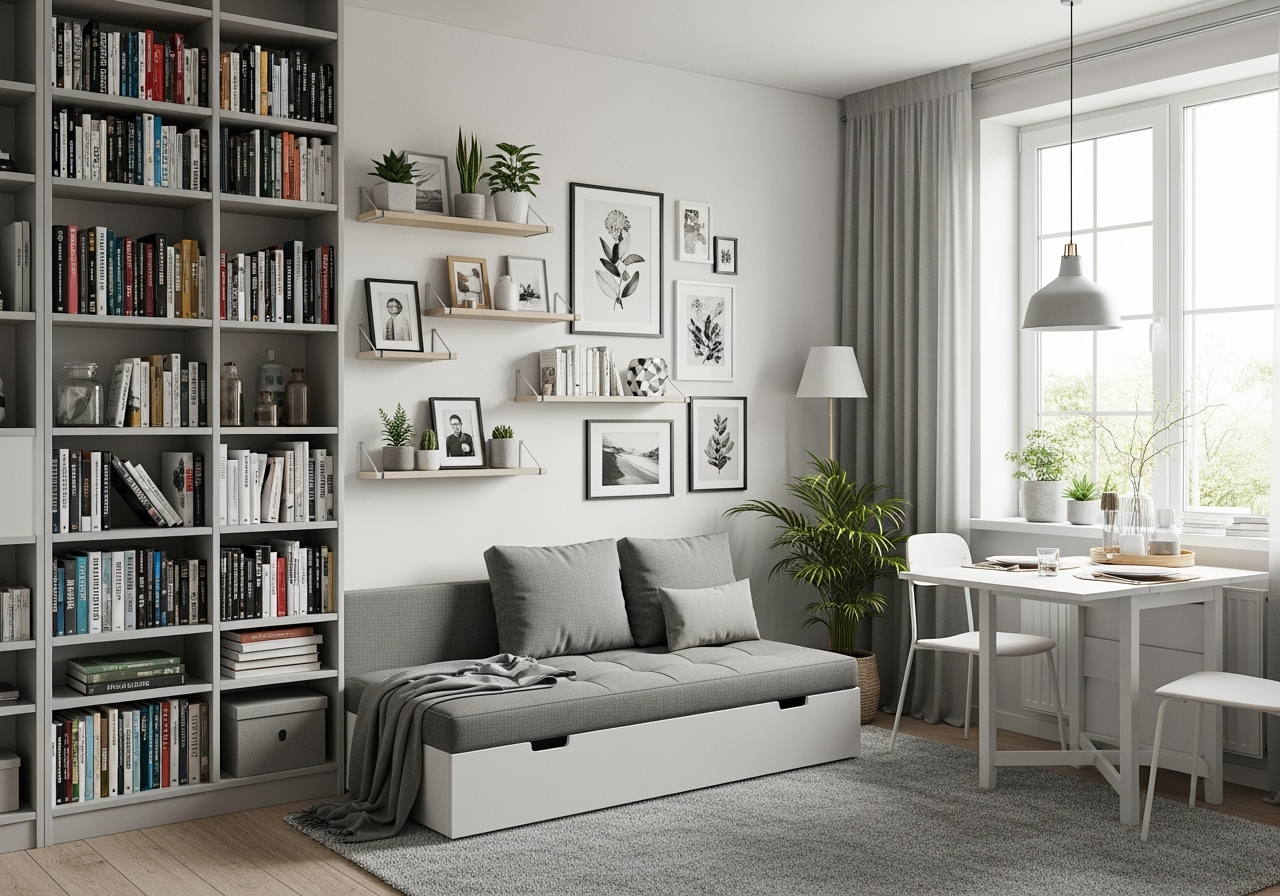
Apartment living, while offering many benefits, can present unique challenges. Modern design and clever strategies help us steer issues like limited space, noise, and the desire for personalization.
Making the Most of Limited Square Footage
Small spaces require ingenious solutions. Modern apartment design accepts this necessity, turning constraints into opportunities.
- Vertical Storage: Utilizing vertical space is paramount. Tall, narrow bookshelves, wall-mounted cabinets, and floor-to-ceiling storage units draw the eye upward, making rooms feel taller and providing ample storage without encroaching on floor space.
- Under-Bed Storage: Beds with built-in drawers or platforms designed for storage bins are excellent for stowing away linens, seasonal clothing, or other less frequently used items.
- Room Dividers: In open-concept or studio apartments, creative room dividers can define zones without building permanent walls. Options include open shelving units, decorative screens, or even large plants, which maintain light flow while providing a sense of separation.
- Utilizing Alcoves: Architectural nooks and crannies can be transformed into functional spaces – a built-in desk, a cozy reading corner with shelves, or a display area.
Here are our top 5 space-saving furniture pieces for modern apartment living:
- Nesting Tables: A set of tables that tuck into each other, offering flexibility for entertaining or everyday use.
- Ottomans with Storage: Provide extra seating, a footrest, and hidden storage for blankets or magazines.
- Wall-Mounted Desks: Fold-down or sleek floating desks that provide a workspace without taking up permanent floor space.
- Sofa Beds/Daybeds: Offer comfortable seating by day and transform into a guest bed by night.
- Modular Shelving Systems: Adaptable units that can be configured to fit various spaces and needs, often without permanent installation.
Bringing the Outdoors In
Even without a sprawling backyard, we can cultivate a connection to nature within our modern urban apartments.
- Juliet Balconies: These small, non-walkable balconies, often just a railing outside a large door, are perfect for placing potted plants, herbs, or small decorative elements, creating a visual link to the outdoors.
- Potted Plants and Herb Gardens: Incorporating a variety of indoor plants, from tall statement pieces to small succulents, adds life and improves air quality. A small herb garden on a windowsill brings freshness to the kitchen.
- Large Windows: Maximizing natural light is crucial. Unobstructed large windows not only brighten the space but also offer views of the city, connecting residents to the urban landscape. Sheer curtains or blinds provide privacy without blocking light entirely.
Frequently Asked Questions about Modern Apartments
How can I make my small modern apartment feel larger?
Making a small apartment feel larger is a cornerstone of modern design. We recommend several strategies:
- Light Color Palettes: Paint walls in crisp whites, light grays, or soft beiges. These colors reflect light, making the space feel more open and airy.
- Strategic Use of Mirrors: Place large mirrors opposite windows or in narrow hallways to reflect light and create the illusion of depth and expanded space.
- Multi-functional and Low-Profile Furniture: Choose furniture that serves multiple purposes (e.g., storage ottomans, sofa beds) and pieces that sit low to the ground to visually increase ceiling height.
- Maximizing Vertical Space and Natural Light: Use wall-mounted shelving and cabinets to draw the eye upward. Keep windows unobstructed with light, sheer coverings to flood the space with natural light.
What is the difference between modern and contemporary apartment design?
As we discussed, modern design refers to a specific historical movement (roughly 1920s-1970s) characterized by clean lines, natural materials, and a rejection of ornamentation. It’s a fixed style. Contemporary design, however, is dynamic and refers to what is popular and trending now. It’s current, evolving, and often borrows elements from various styles, including modernism. So, while a contemporary apartment might incorporate modern elements, it isn’t strictly confined to the historical definitions of modernism.
Are smart home features worth it in a rental apartment?
Absolutely. Smart home features offer significant benefits, even in a rental. They can provide improved convenience (e.g., voice-controlled lighting, remote thermostat adjustment), potential energy savings (e.g., smart thermostats, smart plugs), and increased security (e.g., smart locks, video doorbells). Many smart devices are portable or non-permanent, making them ideal for renters. For instance, smart bulbs, smart plugs, and even some smart thermostats can be easily installed and removed without damaging the property. Keyless entry systems can be a bit more involved but often improve security and ease of access significantly.
Conclusion
The new age of renting is here, and it’s defined by a desire for spaces that are not just functional but truly improve our urban lifestyles. Modern apartment living has evolved to meet these demands, emphasizing thoughtful design, intelligent use of space, seamless technology integration, and a focus on community.
We’ve explored how clean lines, open layouts, and neutral palettes create an inviting canvas, while multi-functional furniture and strategic lighting maximize every square foot. From sleek kitchens and spa-like bathrooms to integrated smart home systems, today’s urban apartments are designed for efficiency and comfort.
Modern apartment living is about creating a personal sanctuary in the city – a home that reflects our values, supports our daily routines, and offers a stylish, comfortable backdrop for the dynamic urban experience. By understanding these key trends, we can all aspire to and achieve a living space that truly feels like home.