
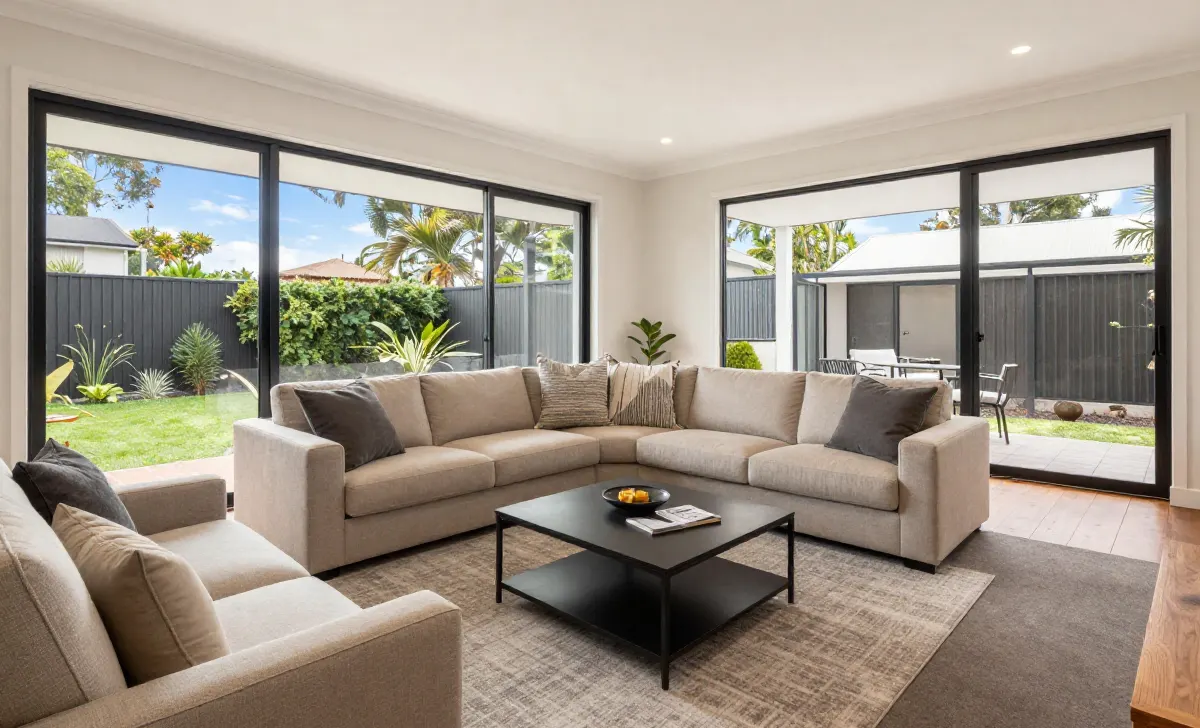
Finding the right place to live is one of the most important decisions anyone can make. For people with extreme functional impairment or very high support needs, standard housing often isn’t a viable option. This is where Specialist Disability Accommodation (SDA) comes in.
But navigating the world of SDA, with its specific rules, design categories, and funding intricacies, can feel overwhelming. This guide is designed to walk you through everything you need to know—from what SDA is and who it’s for, to how to find a home and understand the costs involved. We’ll cut through the jargon and give you a clear, practical understanding of how SDA can open the door to a more independent and fulfilling life.
What is Specialist Disability Accommodation (SDA)?
At its core, Specialist Disability Accommodation (SDA) is a range of housing specifically designed for people with extreme functional impairment or very high support needs. It’s more than just a home; it’s a purpose-built environment with accessible features that help residents live more independently and allow other supports, like personal care, to be delivered more effectively and safely.


Think of it as the “bricks and mortar” cost of a specialised home. The funding for SDA, provided through the National Disability Insurance Scheme (NDIS), covers the cost of designing, building, and maintaining the property itself. This includes the specialised modifications that make the home accessible, such as wider doorways, ceiling hoists, and home automation systems.
It’s crucial to understand what SDA does not cover. As an SDA resident, you are still a tenant. This means you will pay rent and other day-to-day living expenses like electricity, groceries, and internet, just like anyone else. The SDA funding in your NDIS plan is paid directly to your SDA provider to cover the cost of the specialised dwelling.
SDA vs. SIL: What’s the Difference?
This is one of the most common points of confusion. While they often work together, SDA and SIL are two completely different types of support.
- SDA (Specialist Disability Accommodation) is about the bricks and mortar—the physical house or apartment you live in. It funds the building, not the people.
- SIL (Supported Independent Living) is about the people—the daily support services you receive. SIL funding covers the cost of paid support workers who help you with tasks like personal care (showering, dressing), meal preparation, medication management, and overnight support, enabling you to live as independently as possible in your home.
A simple way to remember it is: SDA gets you into the right house, and SIL helps you live in it.
You can have SIL funding without SDA (living in a standard rental property with support workers), and you can have SDA funding without SIL (if you don’t require daily on-site support). However, for many people with very high needs, both are funded together to create a complete independent living solution.
Who is Eligible for SDA?
SDA funding is not for everyone. In fact, the NDIS states that most participants do not need to live in SDA. The eligibility criteria are intentionally narrow to ensure this specialised and significant funding goes to those who need it most.
To be eligible for SDA in your NDIS plan, you must demonstrate that you have an extreme functional impairment or very high support needs. This typically means that even with home modifications and assistive technology, you still require significant support with daily activities.
According to the NDIS SDA Rules, this can include situations where you need help with:
- Getting in and out of bed
- Moving around your home
- Preparing meals
- Personal care, like showering and dressing
Furthermore, you might be considered for SDA if you have highly complex support needs, such as behaviours that pose a risk to yourself or others, or if you are currently living in a hospital or residential aged care setting because suitable housing isn’t available.
If you believe you might be eligible, the first step is to include a home and living goal in your NDIS plan. This signals to the NDIS that you want to explore different housing options.
The Four SDA Design Categories
Not all SDA homes are the same. To ensure a home is fit for purpose, the NDIS has established an SDA Design Standard with four distinct design categories. The category you are funded for will be specified in your NDIS plan and is based on your specific support needs as assessed by an occupational therapist.
Here are the four categories explained:
| Design Category | Best Suited For | Key Features |
|---|---|---|
| Improved Liveability | People with sensory, intellectual, or cognitive impairments. | Enhanced wayfinding (clear signage, contrasting colours to define spaces), accessible fixtures, and a layout that reduces stress and supports independence. |
| Fully Accessible | People with significant physical impairments who use wheelchairs or have limited mobility. | No-step entries, wider doorways, accessible bathrooms with hobless showers, and plenty of space for easy movement throughout the home. |
| High Physical Support | People with very high physical support needs who require assistive technology and frequent personal care. | All the features of Fully Accessible, plus ceiling hoists, backup power systems for essential medical equipment, and advanced home automation to control lighting, temperature, and doors. |
| Robust | People with complex behaviours that may present a risk to themselves or others, or who require a highly durable environment. | Durable, impact-resistant materials for walls and fittings, soundproofing, and enhanced safety features. The focus is on creating a safe and secure environment for both the resident and others. |
SDA homes can come in various building types, including apartments, villas, townhouses, detached houses, and group homes. Depending on your needs and funding, you may be able to live alone or with a small number of other people.
How Much Does SDA Cost? Understanding Rent and Other Expenses
One of the biggest questions people have is about the cost of living in SDA. The good news is that while you do pay rent, it’s designed to be affordable.
Your rent is calculated as a Reasonable Rent Contribution (RRC). It is not market rent. The standard calculation used by most providers is:
- 25% of the maximum Disability Support Pension (DSP) you receive, plus
- 100% of any Commonwealth Rent Assistance (CRA) you are eligible for.
For example, if your DSP is $1,000 per fortnight, 25% is $250. If you receive $150 in CRA, your total rent contribution would be $400 per fortnight. This amount is often significantly lower than what you would pay for a comparable standard property on the open market.
In some shared SDA homes, your provider may also charge a separate board fee to cover utilities, gardening, and the upkeep of common areas. It’s important to ask for a full breakdown of all costs upfront.
Beyond rent, you are responsible for your own everyday living expenses, including:
- Groceries and personal items
- Electricity and gas bills
- Phone and internet
- Contents insurance for your personal belongings
How to Find and Apply for SDA Housing
The process of securing SDA housing can take time, so it’s best to start early. Here’s a step-by-step look at how it typically works:
- Get SDA in Your NDIS Plan: This is the essential first step. Work with your occupational therapist and support coordinator to gather the necessary evidence. This includes a functional capacity assessment and a home and living supporting evidence form that clearly outlines why you need SDA and which design category is right for you.
- Start Your Search: Once SDA funding is approved in your plan, you can start looking for a home. The official NDIS tool for this is the SDA Finder, an online, interactive tool that lists most available SDA vacancies across Australia. You can search by location, building type, and design category.
- Contact Providers: When you find a property that looks suitable, the SDA Finder will provide contact details for the SDA provider. You can then reach out to them, arrange an inspection, and discuss whether the home and the house dynamics (if shared) are a good fit for you.
- Review the Agreement: Once you’ve chosen a home and your application is successful, the provider will give you a rental agreement. This might be an SDA-specific agreement or a residential tenancy agreement. You have the right to take your time and review it. You should also be given an information statement that explains your rights and responsibilities. If you need help understanding it, ask your support coordinator or a family member.
Frequently Asked Questions About SDA
What if I only get SIL in my plan, but not SDA?
That’s perfectly fine. SIL can be provided in any home, including private rentals or social housing. You can live independently with the help of support workers without needing a specialised SDA home.
Can I live alone in an SDA property?
Yes, it is possible. If your NDIS plan determines that living alone is the best way to meet your disability support needs and goals, you can be funded for single-occupancy SDA.
What is an Allied Health Report, and why is it important?
This report, usually completed by an occupational therapist, is the cornerstone of your SDA application. It provides a detailed assessment of your functional capacity, support needs, and the specific housing features required for you to live safely and independently. It’s the key evidence the NDIS uses to determine your eligibility and the correct design category.
Is the information about Seventh-day Adventists relevant to SDA housing?
No. This is a common point of confusion based on the acronym. In the context of the NDIS, SDA stands exclusively for Specialist Disability Accommodation. It has no connection to the Seventh-day Adventist Church.
Conclusion: Is SDA the Right Path to Independence?
Specialist Disability Accommodation represents a life-changing opportunity for NDIS participants with the highest support needs. It provides a foundation of safety, accessibility, and independence that standard housing simply cannot offer. By understanding the eligibility requirements, the different design categories, and the costs involved, you can navigate the process with confidence.
If you think SDA might be right for you, the most important step is to start the conversation. Talk to your support coordinator, occupational therapist, or NDIS planner. Ask questions, gather evidence, and begin exploring the possibilities. The path to a more independent and fulfilling life in a home designed for you is waiting to be discovered.
Disclaimer: The information provided in this article is for general informational and educational purposes only and does not constitute financial, legal, or medical advice. While we strive to keep the information accurate and up-to-date, policies, NDIS rules, and housing regulations are subject to change. You should consult with a qualified NDIS planner, occupational therapist, support coordinator, or legal professional for advice tailored to your specific situation. Reliance on any information provided in this article is solely at your own risk.