Have you ever noticed how a simple bouquet of fresh flowers can instantly transform the energy of a room—and your mood along with it? Whether it’s a vibrant sunflower on your kitchen counter or a calming lavender sachet beneath your pillow, flowers possess an almost magical ability to make us feel better.
But this isn’t just sentimentality. There’s real science behind the wellness benefits of flowers and why they make us happier, healthier, and more connected to the world around us. From ancient healing traditions to modern dermatology, flowers have quietly supported human wellness for thousands of years.
Let’s explore how bringing more flowers into your life can help you achieve your wellness goals—and why you might want to stop and smell the roses more often.


The Science of Flowers and Mood Improvement
Why do flowers make us happy?
It’s a question researchers have studied extensively. When you walk into a room filled with fresh flowers, something shifts inside you. Your shoulders relax. Your breathing deepens. That subtle smile appears without invitation.
This isn’t a coincidence. Multiple studies have demonstrated that flowers trigger an immediate emotional response in humans. According to behavioral research conducted at Harvard, participants reported feeling less anxious, more compassionate, and more energetic after living with fresh flowers in their homes for just a few days. These findings highlight one of the most significant wellness benefits of flowers—their ability to transform our emotional state naturally.
But here’s what’s fascinating: the effects aren’t temporary. The same study found that flowers continued to positively impact mood for weeks after introduction.
How flowers affect brain chemistry
When we see beautiful flowers, our brains release dopamine and serotonin—the neurotransmitters responsible for feelings of pleasure and well-being. This natural chemical response explains why floral therapy has become increasingly popular among mental health professionals treating anxiety and depression.
Some hospitals have even incorporated flowers and plants into patient rooms as part of holistic recovery programs. Research consistently shows that patients with flowers in their rooms require less pain medication, have lower blood pressure, and are discharged sooner than those in rooms without plants.
Flowers as Natural Medicine: Ancient Wisdom Meets Modern Science
Long before pharmacies existed, people turned to flowers for healing. Today, we’re rediscovering what our ancestors knew: flowers contain powerful compounds that can support physical health in remarkable ways. Exploring the wellness benefits of flowers means understanding their role in traditional and modern medicine.
Common Flowers Used in Herbal Remedies
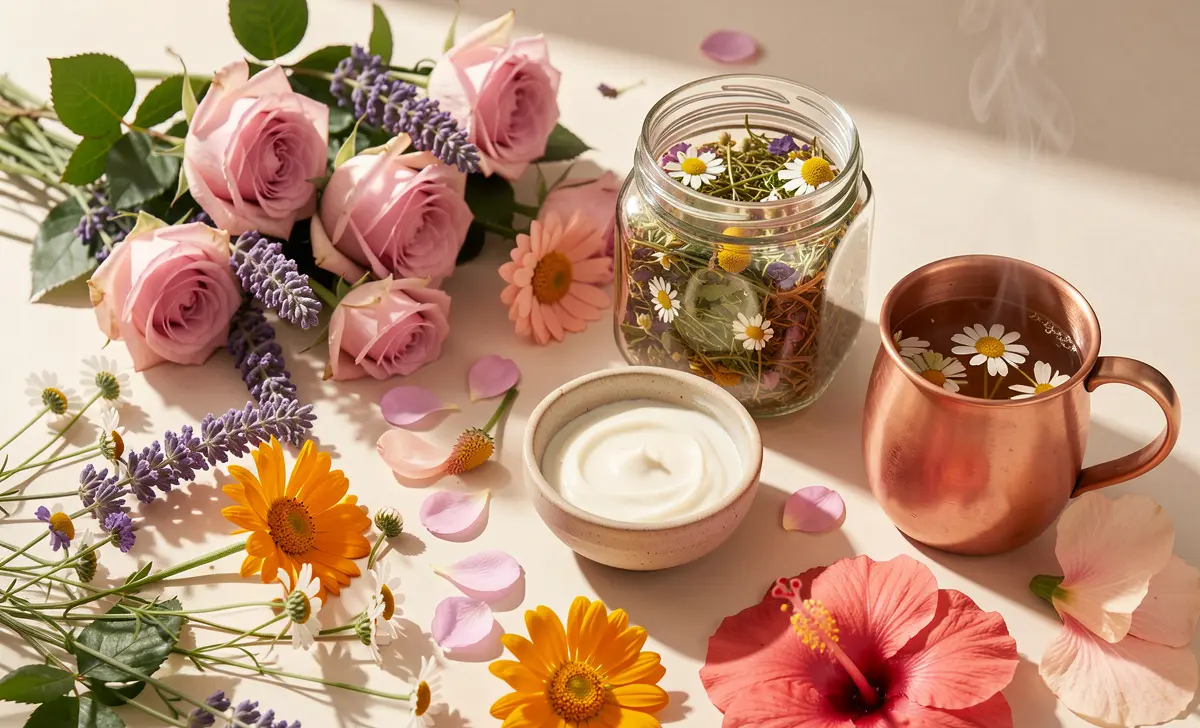
Chamomile remains one of the most well-researched medicinal flowers. Beyond its reputation for promoting sleep, chamomile tea has been shown to reduce menstrual pain, lower blood sugar in diabetic patients, and decrease inflammation throughout the body.
Calendula (marigold) has earned its place in natural first-aid kits. Its antiseptic and anti-inflammatory properties make it excellent for healing minor cuts, burns, and skin irritations. Many natural salves and creams contain calendula for this very reason.
Lavender does more than smell wonderful. Studies confirm that lavender essential oil can reduce anxiety, improve sleep quality, and even help with headache relief when applied topically or used in aromatherapy.
Echinacea flowers have long been used to support immune function, particularly during cold and flu season. While research results vary, many people find echinacea tea helpful for reducing the duration of upper respiratory infections.
Hibiscus offers more than visual beauty. Hibiscus tea is rich in antioxidants and has been shown in clinical studies to help lower blood pressure and cholesterol levels naturally.
A word of caution: While flowers offer genuine therapeutic benefits, they should complement—not replace—professional medical care. Always consult with a healthcare provider before using herbal remedies, especially if you’re pregnant, nursing, or taking prescription medications.
Creating a Healing Home Environment with Flowers
Your home should be your sanctuary. Yet many of us live in spaces that feel sterile, uninspiring, or disconnected from nature. Adding flowers and plants can fundamentally change how your home feels and functions.
The Connection Between Greenery and Well-Being
Environmental psychologists have long understood that humans have an innate need to connect with nature—a concept called biophilia. When we bring elements of the natural world indoors, we satisfy this deep-seated need without leaving our homes.
Consider this: real estate consistently shows that homes with gardens, nearby parks, or visible greenery command higher prices. Buyers may not articulate why they’re drawn to these properties, but they feel it. Being close to plants simply makes us happier.
Practical ways to incorporate flowers into your living space:
- Place a small vase of fresh flowers wherever you spend the most time—your home office, kitchen table, or bedside table
- Choose flowers with scents that match your goals: lavender and jasmine for relaxation, citrus blossoms for energy
- Rotate flowers seasonally to stay connected with the natural rhythm of the year
- Consider low-maintenance flowering plants like peace lilies or African violets if you worry about keeping cut flowers fresh
Flowers in Skincare and Haircare: Nature’s Beauty Secret
Walk through any cosmetics aisle, and you’ll notice a pattern: flowers appear everywhere. From rose water toners to chamomile shampoos, the beauty industry has long recognized what traditional cultures never forgot. The wellness benefits of flowers extend directly into our daily beauty routines.
Why Flowers Work for Skin and Hair
Flowers contain natural compounds that benefit our largest organ—the skin. These include:
- Antioxidants that fight free radicals and premature aging
- Anti-inflammatory agents that calm irritated skin
- Natural humectants that attract and retain moisture
- Gentle exfoliants that remove dead skin cells without harsh chemicals
Popular Flowers in Modern Skincare
Rose remains the queen of floral skincare. Rose water balances skin pH, reduces redness, and provides gentle hydration suitable for even sensitive skin types. The antioxidants in roses also help protect against environmental damage.
Chamomile shines in products designed for sensitive or irritated skin. Its calming properties make it ideal for conditions like eczema, rosacea, or simply skin that reacts easily to harsher ingredients.
Hibiscus has earned the nickname “Botox plant” for good reason. This flower contains natural alpha-hydroxy acids that gently exfoliate while its antioxidants support collagen production. The result? Brighter, smoother-looking skin.
Calendula continues to prove itself in treating inflammatory skin conditions. Whether used in creams, oils, or salves, calendula helps soothe everything from diaper rash to minor burns.
The lotus flower has gained attention in haircare for its unique properties. Rich in proteins and amino acids, lotus extracts help strengthen hair while providing moisture without weighing strands down.
A Note About Quality
Not all floral skincare products are created equal. When choosing products, look for brands that specify which part of the flower they use and how it’s processed. Fleurissent Skincare, mentioned earlier, exemplifies this approach by using specific flowers harvested from Provence, France, in carefully formulated products that preserve the plants’ beneficial properties.
Flowers and Human Connection: The Social Side of Wellness
Wellness isn’t just about what happens inside our bodies—it’s also about our connections with others. And flowers have played a role in human bonding for centuries.
The Language of Flowers
During the Victorian era, people developed an elaborate system called floriography, using flowers to express emotions that polite society wouldn’t allow them to speak aloud. A red rose meant passionate love. Yellow roses suggested friendship. A particular arrangement could convey complex messages about affection, rejection, or hope.
While we no longer rely on flower dictionaries, giving flowers remains one of the most powerful ways to connect with others.
Why Giving Flowers Matters
Research from Rutgers University found that flowers trigger genuine smiles of delight in recipients—and that this positive emotional response lingers for days afterward. Participants in the study reported feeling less depressed, less anxious, and more connected to family and friends after receiving flowers.
The act of giving flowers benefits the giver too. Choosing flowers for someone requires us to think about their preferences, their personality, and what might bring them joy. This thoughtful process strengthens our emotional bonds and reminds us why relationships matter.
Flowers for Every Occasion
While red roses dominate Valentine’s Day, flowers suit every human experience:
- Birthday bouquets celebrate another year of life
- Sympathy flowers honor loss while offering comfort
- “Just because” arrangements surprise loved ones with unexpected joy
- Get-well flowers brighten recovery rooms
- Congratulations, bouquets mark achievements and milestones
Addressing Common Questions About Flowers and Wellness
Can flowers really improve mental health?
While flowers aren’t a substitute for professional mental health treatment, they can absolutely support emotional well-being. Many therapists incorporate flowers and plants into their practices, recognizing that caring for living things and surrounding ourselves with beauty support overall mental health.
What if I’m allergic to flowers?
Allergies don’t have to mean giving up on floral wellness. Consider low-pollen options like roses, hydrangeas, or orchids. Alternatively, explore flowers through other senses—floral teas, essential oils (used safely), or simply enjoying flowers in public gardens rather than bringing them indoors.
Do dried flowers offer the same benefits?
Dried flowers retain some benefits, particularly visual beauty and sentimental value. However, they lack the scent and moisture of fresh flowers, and they don’t contribute to indoor air quality the way living plants do. For maximum benefit, combine fresh flowers, dried arrangements, and flowering houseplants.
How do I choose flowers for specific wellness goals?
Match flowers to your intentions:
- For relaxation: Lavender, chamomile, jasmine
- For energy: Citrus blossoms, sunflowers, gerbera daisies
- For focus: Rosemary blossoms, scented geraniums, freesia
- For comfort: Roses, peonies, hydrangeas
- For inspiration: Orchids, tulips, irises
Bringing It All Together: Your Personal Floral Wellness Plan
You don’t need a garden or a large budget to benefit from flowers. Start small and build habits that bring floral wellness into your daily life:
Week one: Place a small vase of fresh flowers where you’ll see them first thing each morning. Notice how this simple addition affects your mood throughout the day.
Week two: Experiment with floral teas. Try chamomile before bed, hibiscus in the afternoon, or a calming blend when stress rises.
Week three: Replace one conventional skincare product with a floral-based alternative. Rose water toner or calendula cream offers gentle entry points.
Week four: Give flowers to someone unexpectedly. Notice how the experience affects both of you.
The Bottom Line
Flowers offer something remarkable in our increasingly digital, disconnected world: a tangible connection to nature, to others, and to ourselves. They remind us to slow down, pay attention, and appreciate beauty in its simplest form. The wellness benefits of flowers are supported by science, tradition, and thousands of years of human experience.
Whether you’re working toward better mental health, clearer skin, stronger relationships, or simply a more peaceful home environment, flowers can help you get there. They’ve supported human wellness for thousands of years—and they’re ready to support yours.
So go ahead. Stop by that flower shop. Pick up a bouquet for yourself or someone you love. Your wellness journey might bloom in ways you never expected.
Disclaimer: The information provided in this article is for educational and informational purposes only and is not intended as a substitute for professional medical advice, diagnosis, or treatment. Always seek the advice of your physician or other qualified health provider with any questions you may have regarding a medical condition or before incorporating new herbal remedies, teas, or skincare products into your routine.