
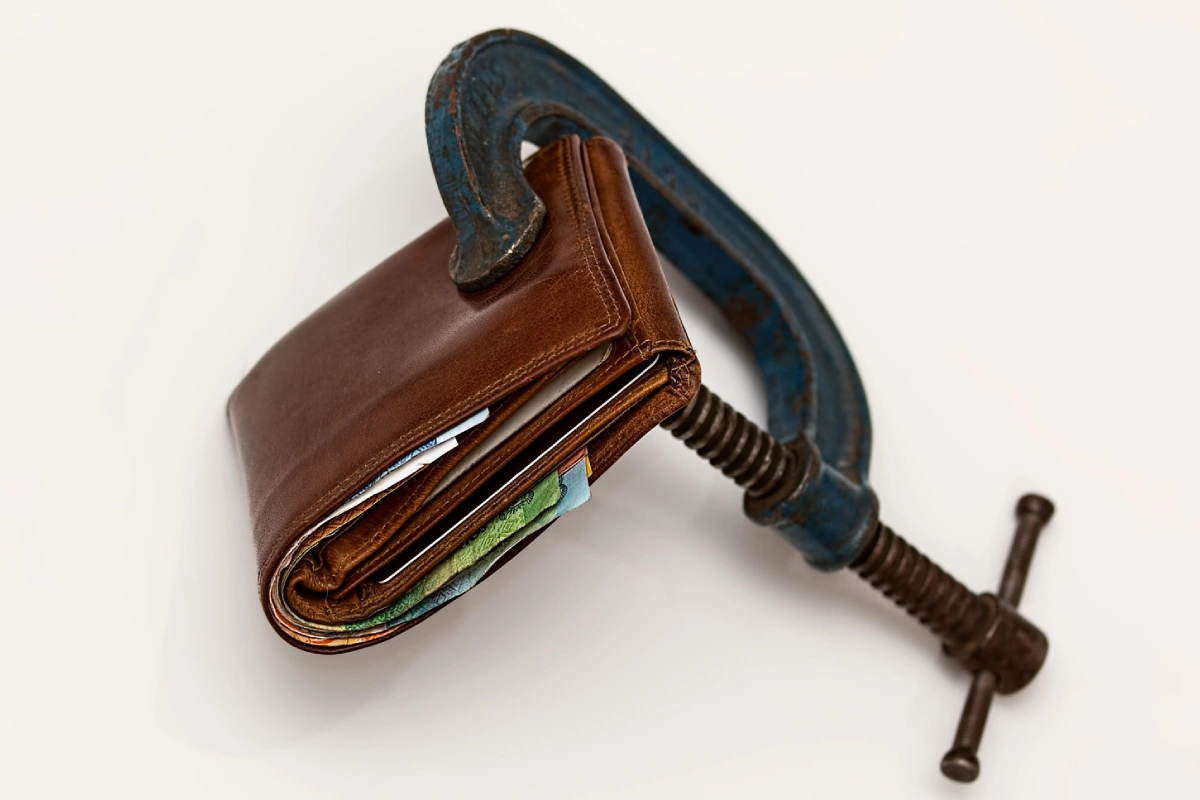
Economic downturns create financial pressure for households across every income level. When job security weakens and prices rise, your ability to save money becomes both harder and more important. You can protect yourself by adjusting how you manage money before and during a recession.
These six strategies help you build financial stability when economic conditions worsen.
Set Up an Emergency Fund
An emergency fund protects you from unexpected expenses without forcing you into debt. Medical bills, car repairs, and sudden job loss can destroy your budget if you have no cash reserve.


Start by opening a separate savings account that you don’t touch for routine expenses. Set up automatic transfers from your checking account so you save consistently without thinking about it.
Begin with $50 to $100 per month if that’s what you can manage. Small amounts compound over time. Your initial goal should be $1,000, then work toward three to six months of living expenses.
Keep this money in a high-yield savings account where it earns interest but remains accessible. Don’t invest emergency funds in stocks or assets that fluctuate in value.
Establish a Budget
A budget shows you exactly where your money goes each month. Most people underestimate spending in categories like food, subscriptions, and impulse purchases.
List your fixed expenses first: rent or mortgage, utilities, insurance, and loan payments. Then track variable costs like groceries, gas, and entertainment.
You’ll likely find areas where you’re spending more than expected. Cancel subscriptions you don’t use. Cook at home instead of ordering takeout. Switch to a cheaper cell phone plan if you’re overpaying.
Following a budget requires discipline at first. You’ll need to say no to some purchases that don’t fit your plan. After a few months, staying within your limits becomes a habit rather than an effort.
Diversify Your Income
Relying on a single paycheck leaves you vulnerable when companies cut staff during recessions. Adding income sources gives you options if your main job disappears.
Look for part-time work that fits around your schedule. Evening shifts, weekend gigs, and freelance projects bring in extra cash without requiring you to quit your full-time position.
Side hustles work well because you control the hours. Dog walking, tutoring, food delivery, and online freelancing let you earn money on your own terms. If one opportunity dries up, you can shift to another without major disruption.
Building a second income stream takes time. Start small and test what works before committing serious hours.
Diversify Your Investments
Spreading money across different asset types reduces your risk when markets decline. If you hold only tech stocks and that sector crashes, you lose everything. A mixed portfolio absorbs shocks better.
Combine stocks and bonds in proportions that match your age and risk tolerance. Younger investors can handle more stock exposure. Those near retirement need stability from bonds and fixed income.
Consider adding real estate investment trusts (REITs), precious metals, or index funds that track broad markets. Each asset class reacts differently to economic changes. When stocks fall, bonds often rise.
Don’t try to time the market or chase hot trends. Stick with your allocation and rebalance annually to maintain your target mix.
Pay Down Debt
High-interest debt drains your income and limits financial flexibility during tough times. Credit card balances compound quickly at rates above 20%, turning small purchases into long-term burdens.
Focus on your highest-rate debts first. Make minimum payments on everything, then put extra money toward the most expensive loan. Once that’s cleared, roll that payment into the next-highest rate.
Balance transfers to lower-rate cards can save you hundreds in interest if you qualify. Personal loans with fixed rates may also cost less than credit cards.
Paying off $10,000 at 20% interest saves you roughly $2,000 per year in interest charges. That money can go into savings or other financial goals instead.
Take Advantage of Discounts and Coupons
Retailers offer constant promotions that reduce costs if you know where to look. Most shoppers ignore these savings and pay full price unnecessarily.
Check store apps before shopping. Many chains provide digital coupons you load directly to your loyalty card. Browser extensions like Honey and Rakuten automatically apply promo codes at checkout when you shop online.
Buy generic brands instead of name brands for staples like rice, pasta, and cleaning supplies. The quality difference is minimal, but you save 20% to 40% per item.
Stock up during sales on non-perishable goods you use regularly. Just don’t overbuy perishables that will spoil before you can use them.
Conclusion
Recessions test your financial resilience, but preparation reduces the damage. Build an emergency fund before you need it. Track spending through a budget. Add income sources beyond your main job. Spread investments across asset types. Eliminate high-interest debt. Use every available discount.
These steps won’t eliminate economic hardship, but they give you control when markets turn negative. Start with one or two changes today rather than waiting for the next downturn to force your hand.
FAQs
How much should I save in an emergency fund during a recession?
Aim for three to six months of essential living expenses. Start with $1,000 if that feels more achievable, then build from there. The larger your reserve, the longer you can survive job loss or income reduction.
Should I invest during a recession or keep cash?
Keep emergency savings in cash. Continue investing retirement funds through market downturns to buy assets at lower prices. Avoid pulling money from long-term investments when values drop, as this locks in losses.
Is paying off debt or saving more important during a recession?
Prioritize a small emergency fund ($1,000), then attack high-interest debt. Once you’ve cleared credit cards above 15% interest, shift focus back to building a larger cash reserve. Balance both rather than choosing one exclusively.