
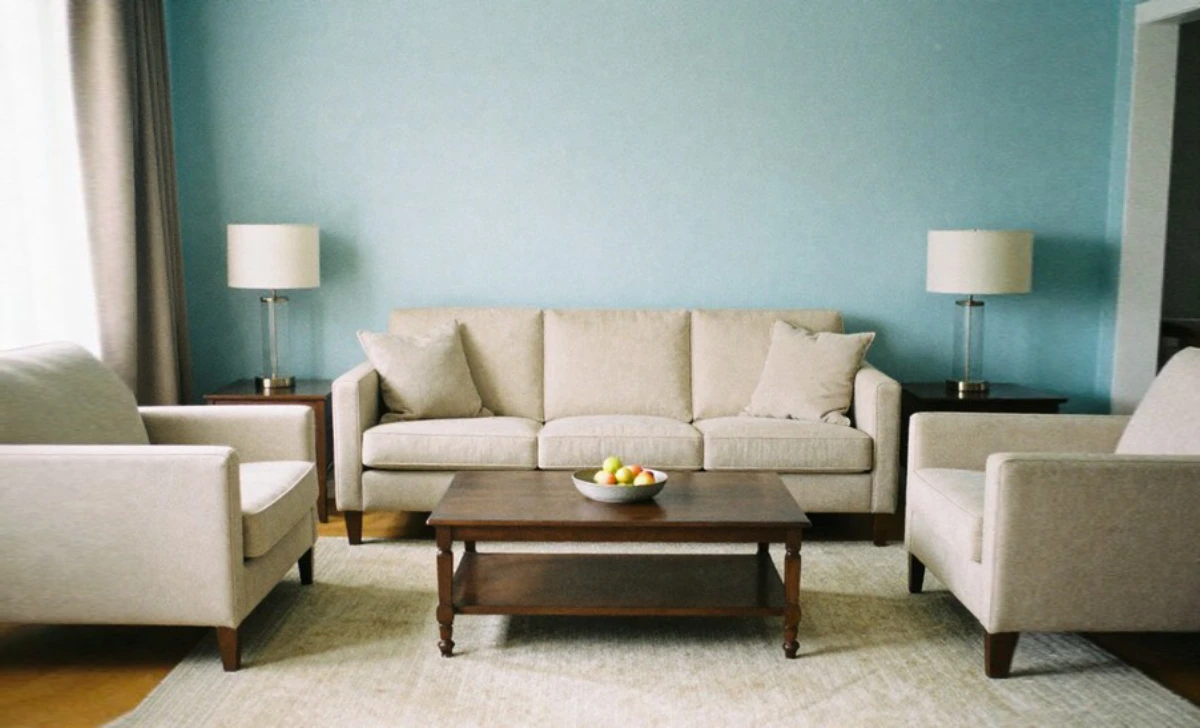
Selecting furniture that fits your space, budget, and daily needs takes careful thought. Most homeowners focus primarily on price and quality when shopping for new pieces. While both matter, you need to consider several other factors to avoid buying furniture that doesn’t work for your home.
Many people overlook these additional considerations and end up with mismatched pieces that don’t serve their needs. Use these six practical tips to choose furniture that creates a functional and inviting space.
1. Decide on a Theme
Choose a design theme before you start shopping. A consistent theme makes it easier to select pieces that work together. Apply your chosen style throughout your home rather than treating each room as a separate project.
Modern themes feature metallic finishes and angular lines. Casual styles emphasize natural materials and comfortable forms. Pick a direction that matches your preferences and lifestyle.
2. State Your Requirements
Think about how you and your family actually use each space. A bedroom designed for rest requires different furniture than a home office or study area.
Your household size directly affects your furniture needs. A small family doesn’t need an oversized sectional in the living room. A standard sofa and a couple of chairs work better. Larger families benefit from bigger seating arrangements. Apply this same logic when selecting dining tables and chairs.
3. Consider the Room’s Layout
Room dimensions, natural light, and existing features all matter. Measure your space carefully and choose furniture that fits the proportions. You need pieces that work together without crowding the room.
Walk through the space and visualize how people will move around the furniture. Leave clear pathways and adequate breathing room between pieces.
4. Select Anchoring Pieces First
Start with the main furniture piece in each room. This anchoring piece establishes the foundation for everything else. In your living room, begin with the sofa. In the bedroom, start with the bed.
Choose supporting pieces that complement your anchor. You don’t need to match everything exactly. Mixing styles adds personality and visual interest to your space.
5. Coordinate Materials and Colors
Create balance across each room. Your furniture should work with wall colors, artwork, and lighting fixtures. Use complementary colors to build a cohesive look. A beige sofa paired with accent chairs in a contrasting shade creates visual interest without clashing.
Material choices matter for durability and maintenance. Households with young children need washable, sturdy fabrics. Consider furniture shapes, too. Round dining tables fit smaller dining areas better, while rectangular tables suit larger spaces.
Storage solutions help keep your space organized. Quality storage boxes and containers manage items that don’t have a dedicated place.
6. Prioritize Comfort
Choose comfortable furniture for pieces you use daily. Your sofa and bed deserve special attention since you spend significant time on them. Test furniture in person when possible. Sit on sofas, lie on mattresses, and check that chairs provide proper support.
The Bottom Line
Furniture selection becomes manageable when you follow a systematic approach. Consider your theme, requirements, room layout, materials, and comfort level. Pay closest attention to comfort for frequently used pieces like sofas and beds.
Taking time to evaluate these factors helps you create a home that works for your daily life.
For more information, follow our website for more awesome posts.