Whistler attracts visitors year-round for skiing, snowboarding, and mountain activities. The resort town hosted the 2010 Winter Olympics and remains one of North America’s largest ski destinations.
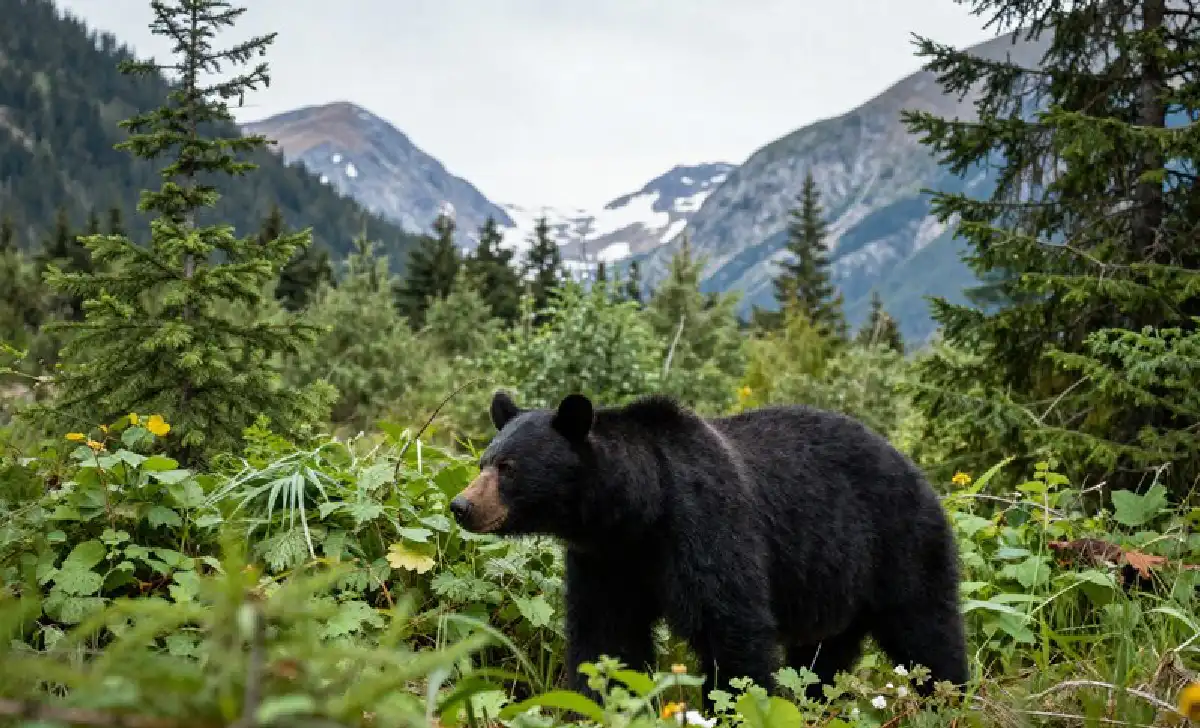
Beyond winter sports, the area offers wildlife viewing opportunities. Bear viewing stands out as a popular activity for visitors and residents exploring the mountains and valleys around Whistler.
Bear Viewing Tours
Several tour operators run wildlife viewing experiences in the Whistler area. You can book guided tours or watch for bears while hiking and exploring on your own. If you’re visiting or living in one of the Whistler homes for sale, these tours provide safe ways to observe black bears in their natural environment.


Whistler Bear Safari
Whistler Bear Safari takes small groups to Whistler Olympic Park in specialized vehicles. Guides drive through areas where bears feed and travel.
Bears roam freely and aren’t tracked or tagged. You might not see bears on every tour. Guides share information about bear behavior, habitat, and safety throughout the experience.
The tour shows you bear habitat markers like claw marks on trees, overturned logs, and feeding areas. You’ll also see other wildlife and backcountry scenery in the Olympic Park area.
Whistler Blackcomb
You don’t need a tour to see bears in Whistler. Black bear families live throughout the resort area, and bears occasionally wander into Whistler Village or near ski runs.
Tours provide the safest viewing experience with trained guides. If you spot a bear while hiking or skiing at Whistler Blackcomb, keep your distance and observe from at least 100 meters away.
Bears are wild animals. Never approach them, and always carry bear spray when hiking in the backcountry.
Moose Valley Experience
The Moose Valley Experience pairs you with a naturalist guide who leads walks through wetlands, forests, and meadows. Like other wildlife tours, animal sightings aren’t guaranteed.
You’ll travel through different ecosystems looking for moose, deer, and black bears. Guides explain animal behavior, plant life, and ecological relationships as you walk.
The tour covers varied terrain and habitats. Even without wildlife sightings, you’ll learn about the area’s natural systems and seasonal patterns.
What to Know Before You Go
Black bears are common in the Whistler area from spring through fall. They enter a period of reduced activity in winter.
Book tours in advance during peak summer months (June through September). Spring and early fall offer good viewing opportunities with fewer crowds.
Bring binoculars, layers for changing weather, and a camera with a zoom lens. Tours typically last 2-4 hours, depending on the operator.
Always follow your guide’s instructions. Stay quiet, move slowly, and respect wildlife by maintaining safe distances.
Plan Your Visit
Whistler offers multiple ways to see bears in their natural habitat. Guided tours like Whistler Bear Safari and Moose Valley Experience provide expert knowledge and safety. You might also spot bears while exploring Whistler Blackcomb on your own.
Choose the experience that matches your comfort level and schedule. Book early for summer tours, dress for mountain weather, and bring patience—wildlife viewing requires time and luck.