
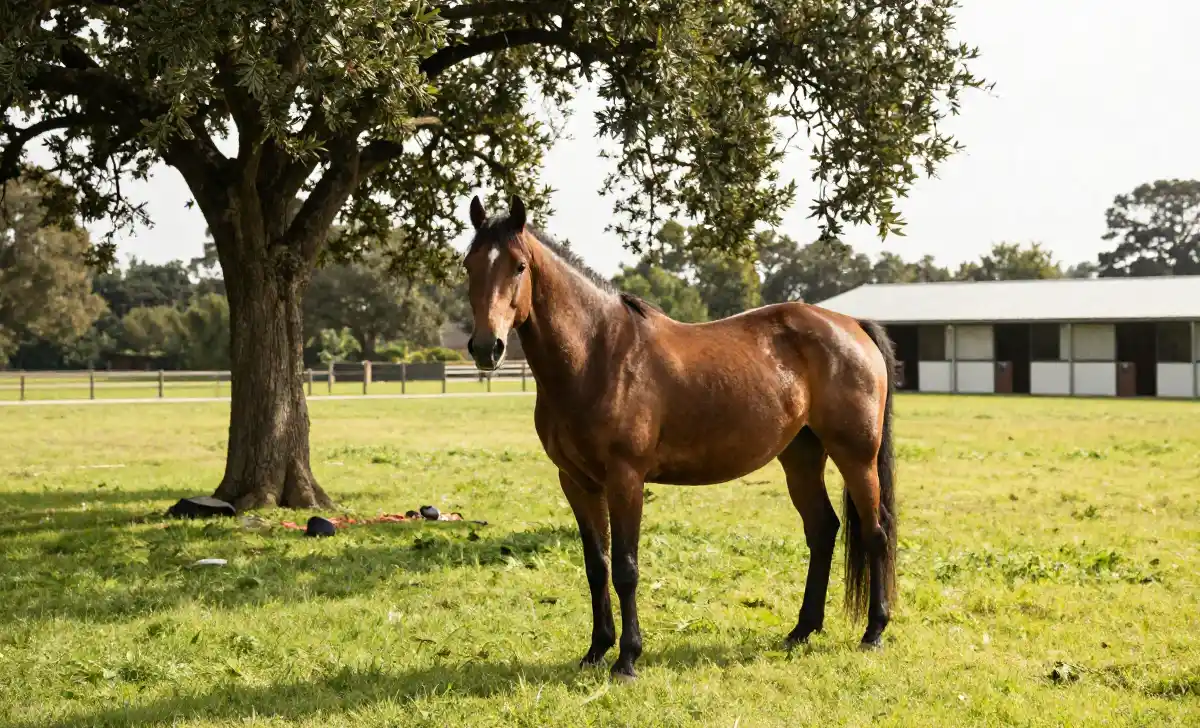
Relocating your horse for the summer is more than just a change of scenery—it’s a significant event in your equine partner’s life. Whether you’re seeking greener pastures, a cooler climate, or specialized summer training, a successful move hinges on meticulous planning that prioritizes your horse’s physical and mental well-being. As someone who’s navigated multiple cross-country moves with horses, I can tell you that the difference between a stressful ordeal and a smooth transition lies in the details. This guide walks you through every critical step, from selecting the perfect Summer Horse Relocation pasture to ensuring your horse settles in happily and healthily.
Part 1: Choosing the Ideal Summer Location
The foundation of a successful summer relocation is the environment itself. You’re not just renting a stall; you’re selecting your horse’s home for the season.
Terrain and Shelter: Non-Negotiables for Equine Comfort A common question from owners is, “My horse is tough; does he really need that much shelter?” The answer is a resounding yes. While horses are hardy, the summer sun presents unique challenges.


- Shade is Essential: Direct, prolonged exposure can lead to sunburn, especially in pink-skinned horses or those with light coats. More than just comfort, shade is a health requirement. It also provides crucial relief from relentless horseflies and other biting insects that thrive in sunny areas.
- Evaluate the Layout: Look for a property with natural windbreaks, well-constructed run-in sheds, or wooded areas. The terrain should be well-draining to prevent muddy, boggy conditions after summer storms and offer a safe, secure footing for galloping and playing.
Herd Dynamics and Social Considerations “Will my horse be lonely?” This is a top concern. Horses are herd animals; their sense of security is tied to companionship.
- Ask About Introductions: A reputable boarding facility will have a clear, gradual process for introducing new horses to the herd. The ideal scenario allows your horse to live adjacent to others—able to see, smell, and interact over a fence—before any full integration. This “neighbor phase” reduces stress and prevents conflict.
- Assess the Herd: Inquire about the herd’s general temperament and the farm’s management style. A well-managed herd with compatible personalities is key to a peaceful Summer Horse Relocation.
Essential Amenities: Water, Feed, and Boredom Breakers. Don’t just assume these are covered. Ask specific questions:
- Water Supply: Is there a constant, clean supply via automatic waterers or large, clean troughs that are checked twice daily?
- Feed Management: How is hay provided? Is it quality-tested, and is there a plan to maintain your horse’s current feeding schedule? Sudden changes in hay type can lead to colic.
- Mental Stimulation: A thoughtful facility often incorporates boredom breakers. This could be as simple as slow-feed hay nets, securely mounted salt licks, or even sturdy balls in the turnout. These small touches show a focus on equine mental health.
Part 2: The Moving Day – Safe and Low-Stress Transportation
This is often the most anxiety-inducing part for owners. The goal is a calm, uneventful journey.
Professional Transport vs. DIY: Making the Right Call. The decision to hire professionals or move your horse yourself depends on distance, your experience, and your horse’s temperament.
- The Case for Professional Horse Transport Services: For journeys over a few hours, hiring a seasoned, fully insured horse transportation company is an investment in peace of mind. As one experienced hauler told me, “My job is to be boring.” Professional drivers are trained in equine behavior, safety protocols, and route planning. Their trailers are designed for comfort and safety, with features like air-ride suspension and ample ventilation. Your horse won’t pick up on your travel anxiety, leading to a calmer experience for everyone.
- If You Go the DIY Route: Preparation is everything. Ensure your trailer is meticulously serviced—tires, brakes, lights, and floor. Practice loading and unloading multiple times before the big day. Pack a detailed trip kit: extra hay, water from home (horses can be finicky about new tastes), a well-stocked first-aid kit, and all necessary paperwork (Coggins, health certificate, travel insurance).
The Journey Itself: Tips for a Smooth Trip
- Keep Routine: Feed and hay as close to the normal schedule as possible.
- Hydration is Key: Offer water every 3-4 hours. Adding a splash of apple juice to unfamiliar water can encourage drinking.
- Monitor Without Hovering: Check on your horse calmly, but avoid excessive fussing which can transmit nervous energy.
Part 3: Settling In – The Critical First Weeks
The work isn’t over once the trailer unloads. This period is crucial for long-term adjustment.
The First 24-48 Hours: Patience and Observation Resist the urge to immediately turn your horse out with the full herd or begin a new training regimen. Instead, follow a phased approach:
- Quarantine and Acclimatization: Ideally, your horse should have a private stall or small paddock for the first few days. This allows him to decompress from the journey, be monitored for any signs of travel-related stress or illness, and get used to the new sights, sounds, and smells without social pressure.
- Maintain Consistency: Stick to his familiar feeding schedule and type of feed/hay as closely as possible. Consistency in routine provides a powerful anchor in a new environment.
Facilitating Social Integration. After the initial observation period, begin introductions visually, then physically.
- Start by turning your horse out in a paddock next to the future herd mates.
- The first physical introduction should be in a large, neutral space, with you and the farm staff present to supervise. Remove hind shoes to reduce the risk of injury if kicking occurs.
Supporting Mental and Physical Health
- Bonding Time: Spend quiet time grooming and hand-walking. This reinforces your connection and helps your horse associate the new place with positive attention.
- Ample Turnout: Once integrated, ensure your horse gets plenty of turnout time in a safe area. Movement, grazing, and social interaction are the best tonics for stress.
- Health Vigilance: Stress can temporarily suppress the immune system. Monitor manure output, water consumption, and temperature closely. Be alert for signs of lethargy, loss of appetite, or coughs, and communicate promptly with the barn manager and your vet.
Part 4: Creating a Summer of Well-Being
With your horse safely relocated and settling in, shift your focus to optimizing his summer experience.
Establish a Partnership with the Barn Staff. Clear communication builds trust. Provide a detailed information sheet covering your horse’s vet, farrier, feeding specifics, any quirks (like being a hard keeper or a known escape artist), and your preferred level of communication.
Visit or Request Updates. If you’re not nearby, regular photos or videos can ease your mind and allow you to see how your horse is doing. When you do visit, try not to disrupt the new routine you’ve worked so hard to establish.
Know When to Intervene. Most horses settle within two weeks. However, persistent weight loss, anxiety, or injury from herd dynamics may require a management change, such as moving to a different paddock group. A good facility will work with you to find a solution.
Conclusion: The Reward of Careful Planning
Relocating your horse for the summer is a substantial undertaking, but it’s also an opportunity for your horse to enjoy new adventures and perhaps return home fitter and happier. By investing time in selecting the right facility, planning a low-stress move, and guiding your horse through a thoughtful settling-in process, you lay the groundwork for a positive and healthy season. The ultimate goal is simple: to see your horse content—grazing in the summer sun with friends, coat gleaming, and spirit calm—knowing you’ve provided him with a safe and enjoyable home away from home.
Disclaimer: The information provided in this article is for general educational and informational purposes only. It is not a substitute for professional veterinary advice, medical diagnosis, or treatment. Always consult with a qualified veterinarian or a certified equine transportation specialist regarding your horse’s specific health needs, travel requirements, and any concerns related to relocation. The author and publisher are not liable for any actions taken based on the content of this article.