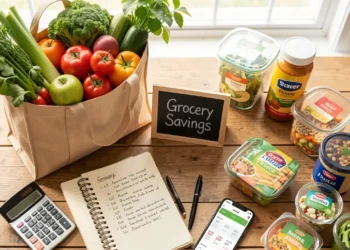

Let’s be honest: we all want to save money when we shop, but it often feels like a chore. You might wonder, “Is clipping coupons really worth it?” or “How do people actually stick to a budget?” If you’ve ever looked at your bank statement and wondered where all your money went, you’re not alone. The good news is that saving money isn’t about deprivation; it’s about strategy. It’s about making your money work smarter, not harder.
This isn’t just vague financial advice. These are real-world, actionable tactics used by savvy shoppers and frugal living experts. We’ll move beyond basic budgeting to explore how timing, negotiation, and a simple shift in mindset can lead to significant savings, turning you from an impulse buyer into a confident, strategic consumer.
Master the Art of Timing: Your Calendar is a Savings Tool
Most of us shop when we need something. But what if you could plan your needs around sales cycles? This is the cornerstone of smart shopping.


- Understand Seasonal and Annual Sales Cycles: Retailers run on predictable schedules. Major holidays (Black Friday, Cyber Monday, post-Christmas), end-of-season clearances (like “Back to School” in August or “Winter Clearance” in February), and even slower shopping months like January and July are golden times for deals. Mark these periods in your calendar for general shopping. Need a new mattress? They’re often deeply discounted around major holidays. Looking for a new car? Shop at the end of the month, quarter, or model year when salespeople are hustling to meet quotas.
- Embrace the “End-of” Mindset: This applies to trends and product cycles. A new fashion trend is most expensive at its peak. Waiting just a few months can slash the price. The same goes for technology and appliances. Buying last year’s model when the new one is released can save you 20-50% for nearly identical performance. Ask yourself: “Do I need the latest version, or does the previous one serve my purpose perfectly?”
- Coupons and Codes Are a Digital Skill: Forget the dusty scissors. Today, finding coupon codes and discount offers is a quick online search. Before any online purchase, use browser extensions or a simple Google search for “[Store Name] coupon code.” Sites like RetailMeNot or Honey aggregate these. Even for in-store purchases, checking the retailer’s app for digital coupons can yield instant savings.
Common User Concern: “This sounds like a lot of work. I don’t have time to track all these sales!” Solution: You don’t have to. Pick 2-3 stores where you shop most frequently. Sign up for their email lists or download their apps. This delivers sales info directly to you. For everything else, a quick “Is [product] on sale this month?” search before you buy is often enough.
Redefine “Shopping”: The Store is Your Last Resort
Your first instinct when you need something shouldn’t be to open a new browser tab or drive to the mall. Expanding your shopping universe can lead to huge savings or even free items.
- The Borrow, Don’t Buy Principle: We’ve lost the art of borrowing. Need a specific tool for a one-time home improvement project? A book? A fancy outfit for a single event? Ask your network. Community borrowing apps like Nextdoor can facilitate this with neighbors. It saves you money and builds community.
- Explore Second-Hand & Alternative Markets: Before hitting a big-box store, check:
- Facebook Marketplace and Craigslist for used items in great condition.
- Freecycle or “Buy Nothing” groups, where people give away items they no longer need.
- Garage sales, estate sales, and moving sales for deeply discounted household goods.
- Thrift stores for clothing, dishes, and decor.
- The 24-Hour Rule: For any non-essential purchase, implement a mandatory 24-hour waiting period. This simple act kills impulse buys and gives you time to consider if you can find the item cheaper elsewhere, or if you even really need it.
The Negotiation Conversation: It’s Not Just for Car Lots
Many people feel awkward negotiating a price, but in many settings, it’s not just accepted—it’s expected.
- Where to Negotiate: Anywhere the price isn’t fixed by a corporate scanner. This includes flea markets, estate sales, buying from private parties on eBay or Facebook Marketplace, and even at local retail stores for floor models, display items, or goods with minor cosmetic damage. A polite, “Is this your best price?” or “Would you consider [lower amount]?” can work wonders.
- The “Bundle” Discount: In retail stores, if you’re buying multiple items, ask if they can offer a discount. Small businesses, in particular, may be willing to do this to make a larger sale.
- Price Matching: Many large retailers have price-match policies. If you find the same item for less at a competitor (often online), they may match it. Always have the proof ready on your phone.
Real-World Perspective: I once saved 30% on a floor-model kitchen appliance simply by asking, “This has been on display for a while. Are you able to offer any discount to clear the floor space?” The manager was happy to oblige.
Budgeting in Action: The Power of Cash and Lists
A budget on a spreadsheet is one thing; a budget in a crowded store is another. The most effective money management tool for shopping is behavioral.
- The Envelope System (Digital or Physical): For categories like groceries, personal care, or clothing, withdraw the exact cash you’ve budgeted. When the cash is gone, you’re done. This creates a powerful physical limit that a credit or debit card simply can’t replicate. Digital versions of this exist through budgeting apps that allocate virtual “envelopes.”
- The Sacred Shopping List: Never, ever shop without a list—especially for groceries. Stick to your shopping list like it’s your mission plan. This is your best defense against in-store marketing and impulse purchases that blow your budget.
- Leave the Cards at Home: If you’re going to a place where you know you overspend (like a warehouse club or a favorite department store), take only the cash you’ve allocated. This removes the temptation entirely.
Strategic Substitutions: Cheaper Alternatives Without Sacrifice
Finding cheaper alternatives isn’t about settling for low quality. It’s about identifying where the brand name matters and where it doesn’t.
- Go Generic on Staples: For staple items like over-the-counter medications, basic spices, canned goods, and cleaning supplies, generic or store-brand products are virtually identical to their brand-name counterparts, often costing 30-50% less. They are typically manufactured in the same facilities.
- Rethink Your Venues: “Overhead” is built into prices. A boutique will charge more than a large retailer for a similar item. Ask: “Do I need to shop here for this?” Big-box discounters, wholesale clubs (like Costco or Sam’s Club for bulk items you actually use), and even online marketplaces can offer better value for everyday goods.
- Creative Product Substitutes: In cooking, can you use a similar, less expensive ingredient? For a household hack, can a multi-purpose vinegar solution replace a suite of specialized cleaners? This kind of thinking saves money and simplifies your life.
Leverage Modern Tools and Programs
Use technology to automate your savings.
- Loyalty Programs Done Right: Only sign up for loyalty programs and rewards cards at stores you frequent. Use their app for exclusive digital coupons. The key is to not let the promise of “points” lure you into buying things you wouldn’t normally purchase.
- Automate with Subscriptions Wisely: For items you use consistently (pet food, coffee, vitamins), Amazon’s “Subscribe and Save” or similar programs from other retailers can offer 5-15% discounts and ensure you never run out. Crucially: regularly review your subscription items to ensure you still need them at that frequency.
- Bulk Buying with a Caveat: Become a member of a wholesale club only if you have the storage space and will genuinely use the bulk quantities before they expire. Splitting memberships and bulk purchases with a friend or family member can make this even more effective.
Saving money while shopping is an ongoing practice, not a one-time fix. It starts with a shift from seeing shopping as a reactive task to viewing it as a strategic activity. By timing your purchases, exploring alternative sources, learning to negotiate, sticking to a cash-based budget, seeking smart substitutes, and using technology strategically, you take control of your spending. The goal isn’t to spend money, but to ensure every dollar you spend delivers maximum value and aligns with your broader financial well-being. Start with just one or two of these tactics this month, and watch the savings add up.