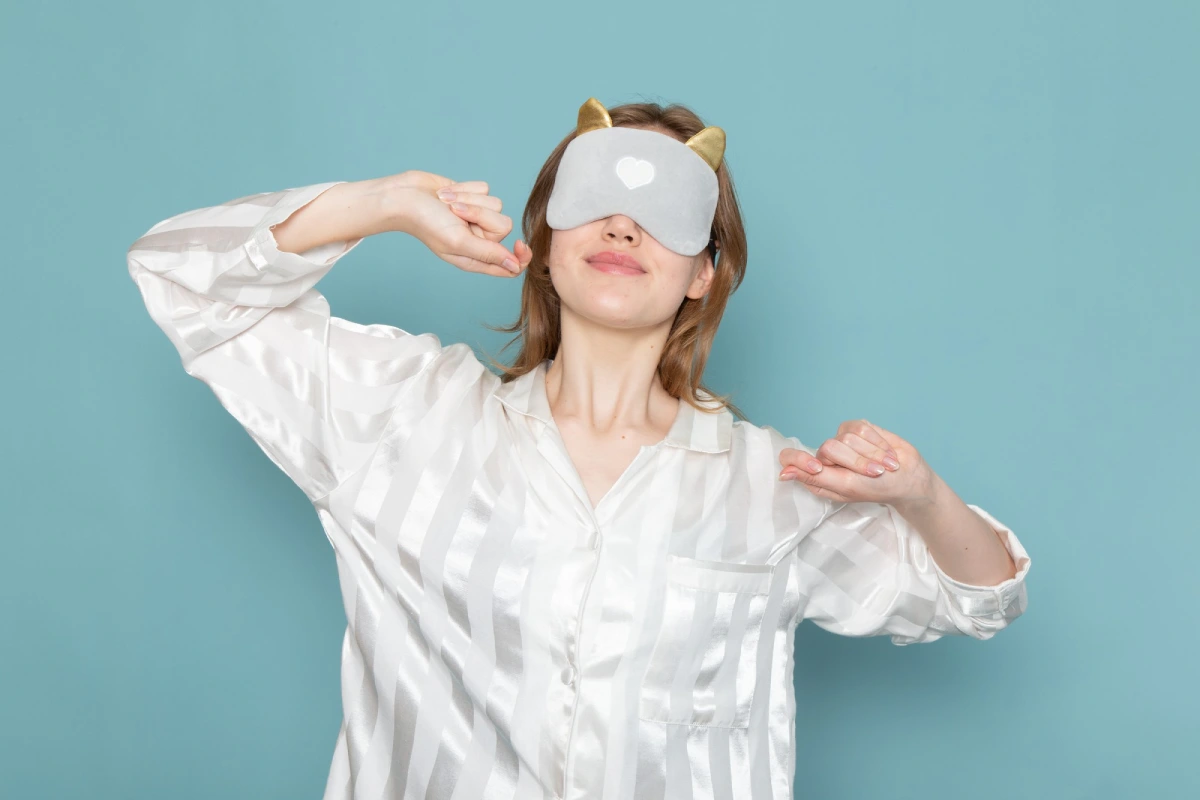
Sleep masks block light and help you fall asleep faster by supporting your body’s natural melatonin production. Research shows that exposure to even small amounts of light during sleep can disrupt your circadian rhythm and reduce sleep quality. Beyond darkness, different sleep mask materials and designs offer specific benefits — from skin protection to anxiety relief.
You’ll find sleep masks made from natural fibers, weighted designs, herbal-infused options, and tech-enabled versions. Each type addresses different sleep challenges. Here’s what you need to know about how they work and which one fits your needs.
Natural Fiber Sleep Masks
Silk sleep masks prevent allergens from settling on your face while you sleep. Cotton masks can trap heat and irritate sensitive skin, but silk’s tightly woven structure naturally resists mold and dust mites. The material stays cool against your skin and won’t absorb moisture from your face.
Mulberry silk masks offer the highest quality. The production process uses sustainable farming methods without harsh chemicals. Silk is hypoallergenic and breathable, which matters if you have sensitive skin or allergies. You’ll need to hand-wash silk masks, but the material lasts longer than synthetic alternatives when cared for properly.
Weighted Sleep Masks
Weighted masks apply gentle pressure across your eyes and forehead, similar to how weighted blankets work for your body. This deep pressure stimulation can reduce anxiety and help you relax before sleep. The weight should feel comfortable — most masks range from 0.5 to 1 pound.
These masks help with restless sleep, anxiety, and ADHD-related sleep issues. The pressure may also reduce eye strain if you spend long hours looking at screens. Choose a weight that feels grounding without causing discomfort. If you experience claustrophobia or have certain medical conditions, standard sleep masks work better than weighted versions.
Some research suggests weighted masks improve sleep quality for children with ADD and ADHD, though you should consult a pediatrician before using them with kids.
Herbal-Infused Sleep Masks
Herbal masks combine light blocking with aromatherapy benefits. Lavender is the most common herb used — it’s been shown to promote relaxation and may help you fall asleep faster. These masks typically contain dried lavender buds or essential oils sealed in fabric pockets.
The texture varies by design. Some feel thick and cushioned, while others use a lighter gel-like material that distributes weight evenly. Avoid masks with strong synthetic fragrances, which can irritate your skin or trigger headaches.
Herbal masks work best when paired with other sleep hygiene practices. Keep your bedroom cool, avoid screens before bed, and consider blackout curtains if outside light enters your room. The mask handles close-range light from alarm clocks or devices, while curtains block ambient light.
App-Controlled Sleep Masks
Smart sleep masks track your sleep patterns and integrate with mobile apps. These masks include built-in sensors that monitor eye movement, heart rate, and sleep stages. Some models play white noise, guided meditations, or music through built-in speakers.
Advanced masks use light therapy to help adjust your circadian rhythm — useful if you travel across time zones or work night shifts. The Neuroon mask, developed through Lufthansa’s FlyingLab program, tracks sleep data during flights to reduce jet lag effects.
You can set wake-up times in the app, and the mask uses gentle light pulses to wake you during a lighter sleep stage. This creates a more natural waking experience than a sudden alarm. Battery life typically lasts 2-3 nights per charge.
These masks cost more than traditional options but offer detailed sleep insights. The data helps you identify patterns and adjust your sleep schedule accordingly.
Skin Protection Benefits
Sleep masks protect the delicate skin around your eyes from friction against pillowcases. This reduces fine lines and wrinkles that form from repeated pressure and movement during sleep. The skin around your eyes is thinner than elsewhere on your face, making it more vulnerable to damage.
Overnight masks — different from light-blocking sleep masks — deliver concentrated skincare ingredients while you sleep. These products target specific concerns like dryness, aging, or dark circles. You apply them like a thick night cream before bed.
Regular sleep masks keep irritants away from your eye area, which prevents itching and reduces puffiness. If you use a sleep tracking device with a journal feature, you can log how your skin responds to different masks and identify which materials work best for you.
Choose masks made from smooth materials like silk or satin. These fabrics create less friction than cotton and help skincare products absorb rather than rub off during the night.
Conclusion
Sleep masks improve your sleep quality by blocking light and supporting melatonin production. The right type depends on your specific needs — silk masks work best for sensitive skin, weighted versions help with anxiety, herbal options add aromatherapy benefits, and smart masks provide sleep tracking data.
Start with a basic light-blocking mask if you’re new to using one. You’ll notice the difference within a few nights as your body adjusts to complete darkness. If you have specific concerns like allergies or eye strain, choose a specialized mask designed for those issues.
Your sleep environment matters as much as the mask itself. Keep your bedroom cool, maintain a consistent sleep schedule, and limit screen time before bed. A sleep mask handles the light, but these other factors work together to improve your overall sleep quality.