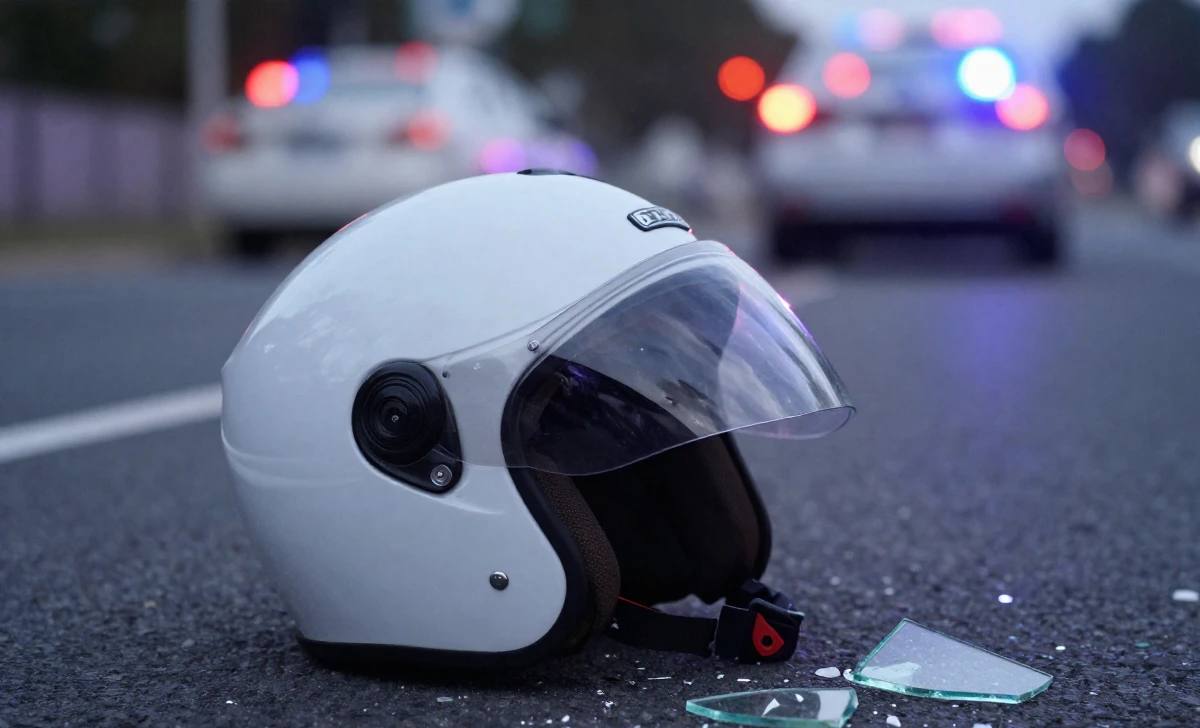
Motorcycles offer an incredible sense of freedom on the open road. With rising gas prices making them an increasingly economical transportation choice, more people are discovering the joy of two-wheeled travel. However, this freedom comes with serious responsibilities—and ride motorcycle while intoxicated is one of the most dangerous decisions any motorcyclist can make.
The statistics paint a sobering picture: according to traffic safety data, motorcyclists are significantly more vulnerable to severe injuries and fatalities compared to car drivers, and alcohol involvement dramatically increases these risks. Despite this, many riders underestimate just how devastating the consequences of intoxicated riding can be—not just physically, but legally, financially, and professionally.
If you’ve ever considered getting on your bike after having a few drinks, or if you’re simply curious about why drunk motorcycle riding is so dangerous, this comprehensive guide will walk you through everything you need to know.
The Legal Reality: What Happens When You’re Caught
Let’s start with the most straightforward reason: riding a motorcycle while intoxicated is illegal throughout the United States. The legal blood alcohol concentration (BAC) limit for operating any motor vehicle, including motorcycles, is 0.08% in all 50 states. For riders under 21, many states enforce zero-tolerance policies with even stricter limits.
Criminal Charges and Penalties
When law enforcement stops you for suspected drunk riding, you’re facing potential DUI (Driving Under the Influence) charges. Depending on your location and circumstances, these charges can range from misdemeanors to felonies. In states like California, a first-time DUI offense typically results in a misdemeanor charge, but the penalties are still severe:
- Fines ranging from $390 to $1,000 (before penalty assessments, which can triple the amount)
- License suspension for several months to a year
- Mandatory DUI education programs lasting three to nine months
- Possible jail time up to six months for first offenses
- Probation typically lasts three to five years
For repeat offenders, the consequences escalate dramatically. A second or third DUI can result in longer jail sentences, extended license suspensions, mandatory ignition interlock devices (though not applicable to motorcycles, affecting your ability to drive any vehicle), and substantially higher fines.
Your DMV Record and Future Implications
A DUI conviction doesn’t disappear quietly. It becomes a permanent mark on your DMV record, visible to employers, insurance companies, and law enforcement for years. Many states keep DUI convictions on your record for 10 years or more, and some maintain them indefinitely.
This record affects far more than just your driving privileges. Background checks for employment, professional licensing, housing applications, and even volunteer positions often reveal DUI convictions. Employers in transportation, healthcare, education, and positions requiring security clearances frequently disqualify candidates with DUI histories.
The Physical Dangers: Why Alcohol and Motorcycles Don’t Mix
Beyond legal consequences, the physical reality of riding a motorcycle while impaired is genuinely terrifying. Unlike cars with their protective frames, airbags, and seatbelts, motorcycles offer virtually no physical protection during a crash. Your body becomes the first point of impact.
Impaired Motor Skills and Coordination
Alcohol affects your central nervous system almost immediately. Even at BAC levels below the legal limit, your motor skills, coordination, and balance begin deteriorating. For motorcyclists, these impairments are especially dangerous because riding requires:
- Precise throttle control for smooth acceleration and deceleration
- Delicate brake modulation using both front and rear brakes
- Constant balance adjustments through body positioning and handlebar inputs
- Coordinated clutch and gear shifting for proper speed management
- Split-second steering corrections to maintain stability
When alcohol impairs these abilities, even simple maneuvers like turning at an intersection or navigating through traffic become hazardous. You might misjudge your speed, overcorrect steering inputs, or fail to properly execute emergency braking—any of which can result in a crash.
Reduced Reaction Time: The Hidden Killer
Perhaps the most dangerous effect of intoxicated riding is reduced reaction time. Studies show that alcohol slows your reaction time by 15-25% or more, depending on your BAC level. On a motorcycle, where cars can change lanes without seeing you, pedestrians can step into traffic unexpectedly, and road hazards appear suddenly, every millisecond counts.
Consider this scenario: A car suddenly swerves into your lane. A sober rider might need one second to perceive the danger, decide on a response, and execute evasive action. An intoxicated rider might need 1.5 seconds or more. At highway speeds of 60 mph, you’re traveling 88 feet per second. That extra half-second means 44 additional feet before you even start reacting—often the difference between avoiding a collision and experiencing a catastrophic crash.
Impaired Vision and Judgment
Alcohol also affects your vision in multiple ways that are particularly problematic for motorcyclists:
- Reduced peripheral vision, making it harder to spot vehicles approaching from the side
- Difficulty focusing on objects, especially at varying distances
- Decreased depth perception, affecting your ability to judge distances to other vehicles
- Increased sensitivity to glare, making night riding especially dangerous
Your judgment becomes equally compromised. You might take risks you’d normally avoid—aggressive lane splitting, excessive speeding, or attempting maneuvers beyond your skill level. This false confidence, combined with diminished abilities, creates a perfect storm for disaster.
The Financial Consequences: Costs That Can Ruin You
The financial impact of ride motorcycle while intoxicated extends far beyond the initial fine. The true cost can easily reach tens of thousands of dollars and affect your finances for years.
Insurance Complications and Coverage Denial
Your motorcycle insurance policy likely contains clauses specifically addressing intoxicated operation. If you’re involved in an accident while riding drunk, your insurance company may:
- Deny coverage entirely for property damage and medical expenses
- Refuse to defend you in any resulting lawsuits
- Drop your coverage after the incident
- Classify you as a high-risk rider, making future insurance prohibitively expensive
Even if your insurance doesn’t deny your claim outright, expect your premiums to skyrocket. High-risk motorcycle insurance after a DUI can cost three to five times more than standard rates, and you’ll maintain this high-risk status for several years.
Medical Expenses Without Coverage
Motorcycle accidents involving intoxication frequently result in severe injuries: road rash, broken bones, traumatic brain injuries, spinal cord damage, and internal organ trauma. Without insurance coverage, you’re personally responsible for:
- Emergency room treatment ($3,000-$10,000+)
- Ambulance transport ($1,000-$2,000+)
- Hospital stays ($2,000-$5,000+ per day)
- Surgeries ($10,000-$100,000+ depending on complexity)
- Rehabilitation and physical therapy (thousands over months or years)
- Long-term care if injuries result in permanent disability
These costs can quickly exceed hundreds of thousands of dollars, potentially leading to bankruptcy and financial ruin.
Vehicle Damage and Replacement
Your insurance may also refuse to cover damage to your motorcycle itself. Modern motorcycles can cost anywhere from $5,000 to $30,000 or more, and repair costs after accidents frequently total the bike. If your motorcycle is financed, you’re still responsible for loan payments even if the bike is totaled and uninsured.
Additional Legal and Administrative Costs
Don’t forget the mounting administrative expenses:
- Legal representation ($2,500-$10,000+ for DUI defense)
- Court fees and fines ($1,000-$5,000+)
- DUI education programs ($500-$1,500)
- License reinstatement fees ($100-$500)
- SR-22 insurance filing (additional annual fees)
The total financial burden of a single DUI conviction commonly exceeds $15,000-$25,000, even for first-time offenders who don’t cause accidents.
Real-World Impact: Career and Personal Life
The consequences of riding while intoxicated extend into nearly every aspect of your life.
Employment Challenges
Many people don’t realize how significantly a DUI conviction can impact their career prospects. Beyond obvious transportation-related positions like truck driving or delivery services, numerous other industries and roles are affected:
- Professional licenses in healthcare, education, law, and finance may be suspended or revoked
- Security clearances for government or defense contractor positions are frequently denied
- Corporate positions increasingly screen for criminal records, including DUIs
- Volunteer opportunities working with children or vulnerable populations become unavailable
Current employers may also take action if your DUI results in a license suspension that prevents you from fulfilling job duties, especially if your work involves travel or client visits.
Personal Relationships and Social Consequences
A DUI conviction can strain personal relationships. Family members may lose trust in your judgment, friends might distance themselves, and romantic relationships can suffer. The stress of legal proceedings, financial burden, and lifestyle changes creates tension that affects everyone close to you.
There’s also the psychological burden of knowing you put yourself and others at risk. Many riders involved in intoxicated crashes carry guilt and trauma for years, especially if others were injured.
What If You’re the Victim?
If you’ve been injured in a motorcycle accident caused by another intoxicated driver, you have legal options. Document everything: police reports, medical records, witness information, and photographs of the scene and your injuries. Consult with an experienced motorcycle accident attorney who can help you pursue compensation for:
- Medical expenses (past, current, and future)
- Lost wages and reduced earning capacity
- Pain and suffering
- Property damage
- Punitive damages in cases of gross negligence
Don’t accept quick settlement offers from insurance companies without legal counsel. They often lowball initial offers, hoping you’ll settle before understanding the full extent of your damages.
Making the Right Choice Every Time
The solution is straightforward: never ride your motorcycle after consuming alcohol, regardless of how “fine” you feel. Even small amounts of alcohol affect your capabilities in ways you might not consciously notice.
Practical Alternatives
Always have a plan before you start drinking:
- Designate a sober friend to ride your motorcycle home (if they’re licensed and capable)
- Use rideshare services like Uber or Lyft to get home safely
- Take public transportation if available in your area
- Call a taxi for reliable transportation
- Stay overnight where you’re drinking rather than attempting to ride home
- Use motorcycle recovery services that transport both you and your bike
Yes, these options cost money—but they’re infinitely cheaper than a DUI, an accident, or worse.
Know Your Limits (and Don’t Test Them)
Some riders mistakenly believe they can gauge their own impairment level. The truth is alcohol impairs your judgment about your own impairment. If you’ve been drinking at all, you’re not qualified to assess whether you’re safe to ride. The only safe BAC for motorcycle riding is 0.00%.
Conclusion: Your Life Is Worth More Than the Risk
Riding a motorcycle while intoxicated isn’t just illegal—it’s a decision that can destroy your life and the lives of others. The combination of legal penalties, financial devastation, physical dangers, and long-term consequences simply isn’t worth the temporary convenience of riding yourself home.
Every time you choose to drink, you’re also choosing how you’ll get home afterward. Make that choice before you take your first sip, not after your judgment is already impaired. Your safety, your future, your finances, and potentially your life depend on it.
The open road will still be there tomorrow—make sure you’re alive, healthy, free, and financially secure to enjoy it. Ride responsibly, ride sober, and ride another day.
Disclaimer: The information provided in this article is for general educational and informational purposes only and should not be construed as legal, financial, or insurance advice. Laws regarding DUI/DWI offenses, penalties, insurance coverage, and legal consequences vary significantly by state, jurisdiction, and individual circumstances.