
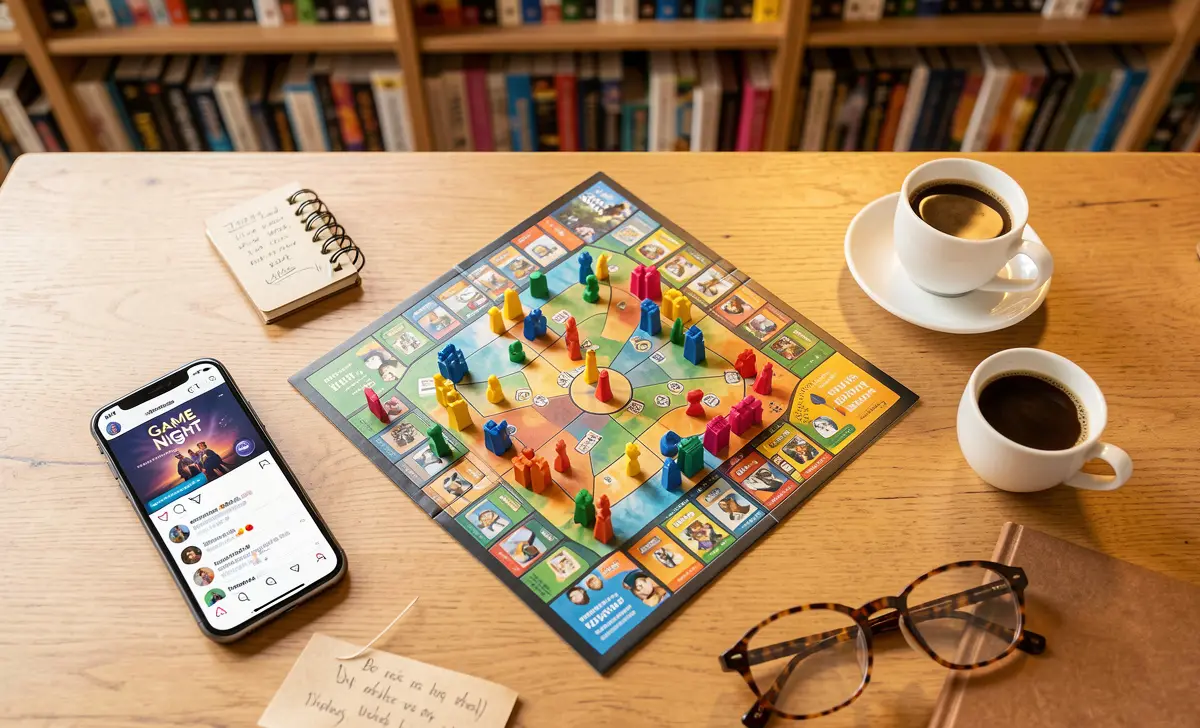
So you’ve opened a board game cafe. You’ve got the shelves stocked with classics like Catan and Codenames, a menu that goes beyond instant coffee, and tables ready for gamers to gather around. But there’s one problem: those tables are empty more often than you’d like.
You’re not alone. Ask any board game cafe owner what keeps them up at night, and they’ll likely say the same thing: “How do I get more people through the door?” The competition is real. With board game cafes popping up everywhere thanks to Gen-Z’s love for analog entertainment, standing out requires more than just a great game collection.
Let’s walk through practical, proven strategies to promote your board game cafe online and build a community that keeps coming back.


Know Your Niche Before You Market
Here’s something most marketing guides won’t tell you: trying to appeal to everyone is the fastest way to appeal to no one.
Before you post a single Instagram photo or create a Facebook event, get clear on who your ideal customer is. Are you targeting families looking for weekend activities? College students wanting late-night study breaks with games? Hardcore gamers hungry for tournament play? Or maybe you’re positioning yourself as a haven for book lovers who also enjoy light gaming?
When you define your niche, everything becomes easier—your decor choices, your menu items, your game selection, and especially your marketing messages. A generic “everyone welcome” approach gets ignored. A targeted “calling all Lovecraft fans for our Arkham Horror night” gets attention.
Build A Social Media Presence That Actually Works
Yes, you need social media. But you don’t need to be everywhere at once.
Start with the platforms where your target audience actually hangs out. Instagram and TikTok are non-negotiable for reaching younger crowds. Facebook still matters for event creation and reaching an older demographic. Discord has become essential for building a genuine community around gaming.
What To Post (And What To Skip)
The biggest mistake cafe owners make? Posting menu photos and calling it a day.
Instead, show your cafe in action. Capture the energy of a tense Codenames round. Films quick reaction shots when someone wins a close game. Share snippets of customers laughing over Exploding Kittens. These moments matter more than perfectly styled food photos because they communicate something essential: your place is fun.
Behind-the-scenes content works beautifully, too. Show yourself unboxing new games. Introduce your staff and their favorite games. Share the process of designing a themed night. This builds connection and makes your cafe feel like more than just a transaction.
Tools That Make Social Media Manageable
Running a cafe leaves little time for content creation. Use tools like PosterMyWall to access templates you can customize quickly. Create Instagram posts, Facebook covers, and story templates in batches. Schedule content during slow hours so your accounts stay active even when you’re busy serving customers.
Tap Into Existing Gaming Communities
Here’s something many cafe owners overlook: your ideal customers are already organized into communities online. They’re talking about games in Facebook groups, sharing strategies in Discord servers, and discussing rule interpretations in Reddit threads.
Join these spaces, but proceed carefully. Nobody likes the business owner who shows up only to promote themselves. Participate genuinely. Answer questions about game rules. Share your expertise about game recommendations. Become a trusted voice first. Then, when appropriate, mention your cafe and invite people to events.
This approach takes time but builds trust that paid ads can’t buy.
Setting Community Guidelines
When you create your own online spaces—whether a Facebook group or Discord server—establish clear rules from day one. Online gaming communities attract passionate people, which is wonderful, but passion can sometimes turn into arguments. Clear guidelines about respectful communication help everyone feel welcome and safe participating.
Game Nights And Tournaments: Your Secret Weapons
Nothing drives foot traffic like well-planned events. Game nights give people a reason to visit on a Tuesday when they’d otherwise stay home.
Planning Events That Excite
Mix up your offerings to appeal to different crowds:
- Family game nights featuring approachable games early in the evening
- Themed nights around specific games or franchises (Harry Potter trivia packs houses)
- Tournament series for competitive players with prizes and recognition
- New game demos where publishers send representatives to teach games
- Retro nights where customers bring their favorite games from childhood
Look at how Evanston Games & Cafe handles their calendar. They maintain a clean, easy-to-read schedule showing exactly what’s happening each night. No confusion, no guesswork. Customers know when to show up and what to expect.
Tournament Structure That Works
For tournaments, clarity matters. Announce formats, start times, and prize structures well in advance. Create brackets visible in your cafe and online. Offer meaningful incentives—prize money gets attention, but don’t underestimate how much players value recognition. A “wall of fame” with past winners creates ongoing buzz.
Themes That Actually Draw Crowds
Based on what’s working at successful cafes, these themes consistently deliver:
- Codenames tournaments (fast-paced, spectator-friendly)
- Cosplay nights tied to popular franchises (Disney, Marvel, DC, Star Wars)
- Thematic game showcases (Lovecraft, Lord of the Rings, Prehistoric themes)
- Pub trivia with food and drink specials
- Culinary collaboration nights featuring local food vendors
Giveaways That Build Real Engagement
Everyone loves free stuff. But giveaway strategy matters more than you might think.
Setting Up Effective Contests
The goal isn’t just to give something away—it’s to build your audience and strengthen connections. Structure giveaways to encourage meaningful engagement:
“Tag three friends who’d love our Tuesday game night” spreads awareness to new potential customers. “Share your favorite memory at our cafe” generates authentic content and emotional connection. “Post a photo of your game night setup” creates user-generated content you can reshare.
Keep entry requirements simple. Complicated rules kill participation. Three to four clear steps maximum.
Prize Selection That Makes Sense
Cash prizes work, but experiential prizes often create more lasting impact. Consider offering:
- A private table reservation for the winner and friends
- A “game master” experience where staff teach games all night
- A custom game night package with food and drink credits
- An invitation to test new games before they hit your shelves
Influencer Marketing For Board Game Cafes
Influencer marketing isn’t just for fashion brands and tech products. For board game cafes, it’s incredibly effective—when done right.
Finding The Right Voices
Look beyond follower counts. A local food blogger with 2,000 engaged followers in your city will drive more actual customers than a national gaming influencer with 100,000 followers spread across the country. Micro-influencers often have stronger community trust and more reasonable rates.
Reach out to local content creators who already post about gaming, food, or local events. Offer them a complimentary experience in exchange for honest coverage. Pay for sponsored content when budgets allow.
Video Content Wins
When influencers visit, encourage video over static photos. A quick TikTok of someone reacting to a surprising game moment conveys your cafe’s energy better than any carefully staged shot. Instagram Reels showing game explanations, food highlights, and customer reactions create authentic previews that make viewers want to visit.
Email Marketing Still Works
Yes, email feels old-school. But it also delivers the highest return on investment of any marketing channel.
Building Your List
Collect emails through:
- Online event registration
- In-store Wi-Fi signup
- Newsletter signup with a small incentive (discount code, free drink)
- Contest entries
What To Send
Your email list shouldn’t just receive announcements. Send value:
- Game recommendations based on popular preferences
- Rules explanations for complicated new games
- Staff picks and reviews
- Early access to event registration
- Behind-the-scenes looks at upcoming themes
Keep emails conversational and not too frequent. Once a week is plenty for most cafes.
Paid Advertising When You’re Ready
Organic reach only takes you so far. When you have a budget, paid advertising accelerates growth.
Targeting That Makes Sense
Platforms like Facebook and Instagram allow incredible targeting precision. Create audiences based on:
- People who live within a reasonable drive of your cafe
- Users interested in board games, specific game titles, or gaming content
- Look-alike audiences modeled on your existing customers
- People who’ve engaged with your content previously
Budget Management
Start small. Even $5-10 per day teaches you what works. Test different ad creatives—event promotions often outperform general brand awareness ads. Track results carefully and shift budget toward what delivers actual customers, not just likes.
Answering Real Questions From Cafe Owners
Based on conversations with board game cafe owners, here are answers to questions that come up repeatedly:
How do I handle slow nights?
Theme them. Trivia Tuesdays, Worker Placement Wednesdays, or Family Game Fridays give people reasons to choose your cafe over staying home.
Should I charge for table time or require purchases?
Both models work. Some cafes charge hourly with game rental included. Others require minimum food/drink purchases. Test what your local market prefers.
How do I keep regulars from getting bored?
Rotate your game library regularly. Host new game demos. Create achievement systems or loyalty programs. Regulars stay engaged when there’s always something new to try.
What games should every board game cafe have?
Beyond the obvious Catan and Ticket to Ride, successful cafes stock: Codenames, Exploding Kittens, Pandemic, Nemesis for serious gamers, and approachable party games for casual visitors.
Measuring What Matters
Track more than just revenue. Monitor:
- Event attendance trends
- New customer acquisition (ask how people heard about you)
- Social media engagement rates
- Email open and click rates
- Repeat visit frequency
These metrics tell you what’s working before revenue numbers catch up.
Final Thoughts
Promoting a board game cafe online isn’t about going viral or getting thousands of followers. It’s about consistently showing up, building genuine community, and giving people reasons to choose your tables over their living room couches.
Start with one or two strategies that feel manageable. Execute them well before adding more. Listen to what your customers respond to and double down on what works.
The cafes that thrive aren’t necessarily the ones with the biggest marketing budgets. They’re the ones that understand their community, show up authentically, and create experiences worth leaving home for. Your games are ready. Your tables are waiting. Now go put your cafe on the map.