
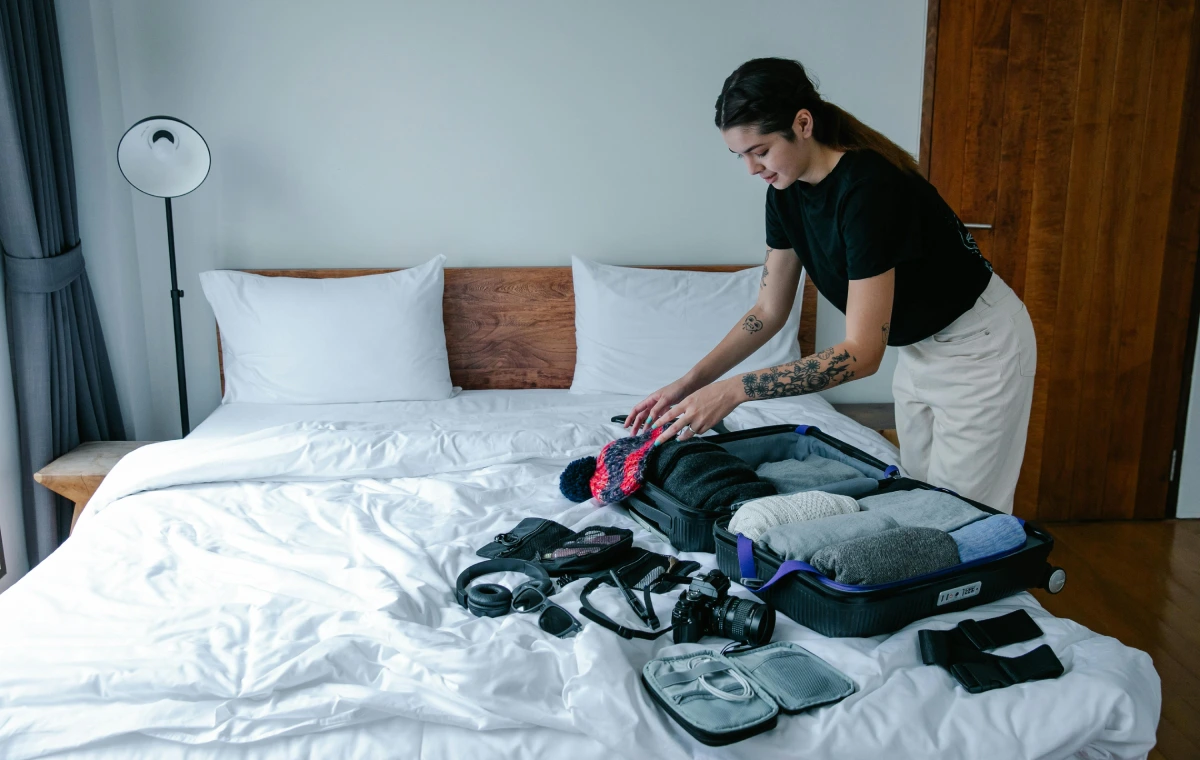
Are you planning a vacation? Whether you’re traveling abroad or staying closer to home, proper preparation helps you avoid stress and unexpected problems. Here are four essential areas to address before you leave.
Get Your Travel Documents Ready
Start by organizing all required travel documents at least 4-6 weeks before departure. Check that your passport is valid for at least six months beyond your return date—many countries require this for entry.
If you’re traveling internationally, verify whether you need a visa for your destination. Some countries offer electronic visas you can apply for online, while others require in-person applications. Check official government websites for current requirements.


For domestic trips by car, confirm your driver’s license and vehicle registration are current.
Make copies of critical documents (passport, driver’s license, travel insurance, credit cards). Store one set separately from the originals in your luggage. You can also scan documents and save them to a password-protected cloud storage service for emergency access.
Research Your Destination
Learn about your destination before you go. Check weather patterns for your travel dates so you pack appropriately. If you’re visiting a beach destination during peak season, expect larger crowds. Traveling during shoulder season often means better prices and fewer tourists.
Research local customs, basic phrases if visiting a non-English speaking country, and transportation options from the airport to your accommodation. Identify must-see attractions and make reservations if needed—popular sites often require booking.
Look into local safety considerations and any travel advisories for your destination.
Create a Packing List
Build your packing list based on your itinerary, destination weather, and planned activities. Essential categories include:
- Clothing appropriate for the climate and activities
- Toiletries and medications (pack prescriptions in original containers)
- Electronics and chargers
- Travel documents and copies
- Items specific to your destination (beach gear, hiking boots, formal wear)
If traveling with children, add their essentials: snacks, entertainment, comfort items, and any special equipment.
Pack only what you need. Overpacking makes travel harder and leaves less room for items you buy during your trip. Most destinations have stores where you can purchase forgotten items.
Set a Realistic Budget
Determine how much you can spend without creating financial stress. Break your budget into categories:
- Accommodation
- Transportation (flights, rental car, local transit)
- Food and dining
- Activities and entrance fees
- Shopping and souvenirs
- Emergency cushion (10-15% of total budget)
Track expenses during your trip using a notes app or budgeting tool. This helps you stay within limits and adjust spending if needed.
Consider which payment methods work best at your destination. Notify your bank of travel dates to avoid card blocks. Research whether credit cards, debit cards, or cash are preferred locally.
Preparing for vacation requires attention to documents, research, packing, and finances. Address these areas a few weeks before departure, and you’ll travel with confidence and less stress.
Conclusion
Vacation preparation doesn’t need to be complicated. Focus on the four core areas: securing your travel documents well in advance, researching your destination to make informed decisions, packing efficiently based on your actual needs, and setting a budget you can maintain throughout your trip.
Start your preparation 4-6 weeks before departure. This gives you time to handle any document issues, make necessary reservations, and organize your finances without last-minute pressure.
FAQs
When should I start preparing for my vacation?
Begin 4-6 weeks before departure for international trips, 2-3 weeks for domestic travel. This timeline allows you to handle passport renewals, visa applications, and booking popular attractions. Start budget planning even earlier if you need to save money specifically for the trip.
What documents do I need to travel internationally?
You need a passport valid for at least six months beyond your return date. Check if your destination requires a visa—requirements vary by country and your nationality. Carry printed copies of your passport, travel insurance, accommodation confirmations, and return tickets. Store digital copies in password-protected cloud storage as backup.
How can I avoid overpacking for vacation?
Plan outfits based on your actual itinerary. Choose clothing items that work for multiple occasions and can be mixed and matched. Limit shoes to 2-3 pairs maximum. Check if your accommodation has laundry facilities—this reduces the clothes you need. Make a list, then remove 20% of non-essential items before final packing.