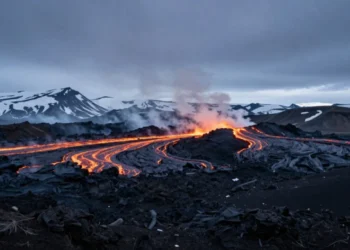
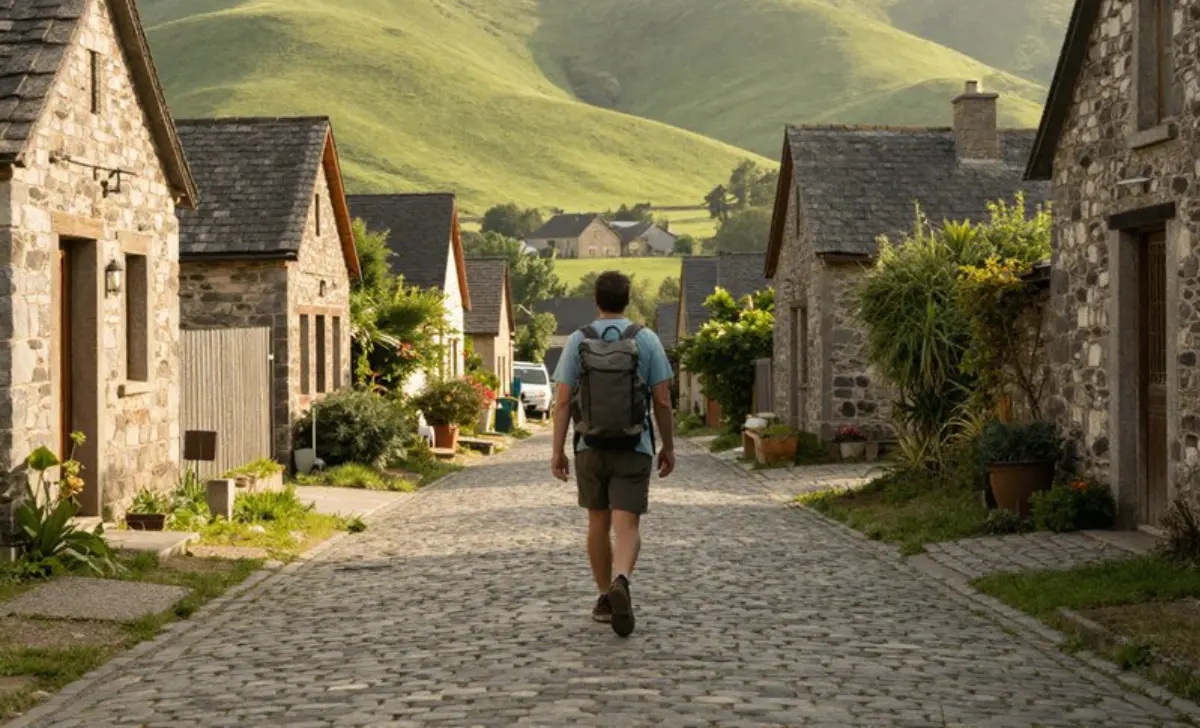
Off the beaten path travel means visiting destinations most tourists never consider. Instead of joining crowds at famous landmarks, you explore places where local life is still intact, landscapes are uncrowded, and your presence actually matters to the community hosting you.
This guide covers why this style of travel is worth pursuing, how to find destinations that fit, and what to expect when you get there. Whether you are planning your first trip away from the tourist circuit or looking to go further next time, you will find practical advice here.
Why Off the Beaten Path Travel Is Worth It
Crowded destinations often deliver a version of a place designed for visitors, not a real one. When you skip the well-worn circuit, you interact with people living their actual lives rather than performing for an audience of travelers.


You also gain access to landscapes and cultural sites that most visitors never see. Sparsely visited natural areas tend to be better preserved, quieter, and more rewarding to explore at your own pace.
There is an environmental case for it too. Concentrated tourism puts pressure on ecosystems, infrastructure, and local economies. Spreading that travel to lesser-known areas can benefit communities that see very little of the money the tourism industry generates overall.
How to Research Hidden Destinations
The best sources are rarely the most obvious ones. Start by consulting local tourism boards, community organizations, and regional conservation groups. They can point you toward places that never appear in mainstream travel content.
Online travel communities are useful as well. Forums like Reddit’s r/travel and destination-specific groups regularly surface firsthand accounts of places that have not yet been overrun. Travel bloggers who focus on independent travel often share detailed guides to areas outside the standard circuits.
Social media can help if you use it carefully. Geotagged photos and travel accounts focused on responsible exploration can reveal compelling destinations. Be cautious about locations that appear to be gaining rapid attention, as heavy social media coverage can quickly undo what made a place worth visiting.
Where to Look: Regional Highlights
Every major region holds destinations that reward travelers willing to put in extra effort.
Europe has far more to offer than its capital cities suggest. Medieval villages like Italy’s Civita di Bagnoregio and Spain’s Albarracín preserve architecture and daily rhythms that busier destinations lost long ago. Norway’s Naeroyfjord and Croatia’s Blue Cave offer natural experiences that feel genuinely remote even though they are reachable without extreme logistics.
Asia rewards those who venture past its most-visited hubs. Indonesia’s Banyak Islands, Vietnam’s Con Dao Islands, and Taiwan’s Green Island each offer coastal environments with minimal development and strong local character. Inland, destinations like Kyrgyzstan’s Song Kol Lake and China’s Yunnan Province showcase rural traditions that urban travel simply cannot replicate.
Africa holds some of the most powerful off-track experiences available. Private wildlife conservancies in Namibia and Zambia provide access to ecosystems and animal populations that standard safari circuits do not reach. Cultural encounters with communities like the Himba in Namibia or residents of Lamu Island in Kenya offer a depth of connection that commercial tourism rarely delivers.
The Americas contain ancient ruins, coastal villages, and rural communities that most travelers overlook entirely. Guatemala’s El Mirador and Peru’s Kuelap citadel predate more famous sites and attract far fewer visitors. Mexico’s Holbox Island and Colombia’s Bahía Solano preserve a pace of life that busier beach destinations abandoned years ago.
Oceania includes some of the world’s most remote and culturally intact communities. Australia’s Lord Howe Island limits visitor numbers by policy, protecting one of the Southern Hemisphere’s most intact subtropical ecosystems. Smaller Pacific island groups like Rotuma in Fiji and East Rennell in the Solomon Islands maintain traditional practices that give visitors genuine insight into how these communities have lived for generations.
Planning Logistics for Remote Travel
Getting to less-visited destinations usually takes more time and requires more flexibility than standard travel planning. Build in buffer days for delayed connections, limited transport options, and accommodation that may be simpler than what you are used to.
Research transportation carefully. Many remote areas rely on minibuses, local boats, or charter flights rather than scheduled services. A knowledgeable local guide can save you significant time and help you avoid logistical dead ends.
For accommodation, locally owned guesthouses, homestays, and eco-lodges are usually your best options. They provide more authentic experiences and direct more of your spending to the community. Online forums and travel communities are often the most reliable sources for finding these options in areas with limited tourism infrastructure.
Respecting Local Culture
Entering communities that see few outside visitors puts a responsibility on you to observe, not impose. Learn basic phrases in the local language before you arrive. It signals respect and opens doors that English alone will not.
Dress and behave in ways that fit the local context. In many rural and traditional communities, modest dress is expected and appreciated. Ask before photographing people, especially during ceremonies or daily routines that feel private.
Spend your money locally. Choose local guides, eat at family-run spots, and buy crafts directly from the people who made them. This is the most direct way to ensure your visit benefits the people whose home you are passing through.
What to Expect on the Ground
Remote travel comes with real challenges. Electricity can be unreliable, roads may be rough or unpaved, and sanitation standards will often differ from what you are used to. These are not reasons to avoid a destination, but they are things to prepare for honestly.
Bring practical gear: a reliable water filter, electrolyte supplements for hot climates, appropriate clothing for varied conditions, and any medications you may need. Do not rely on being able to source these things locally.
Check current travel advisories for your destination before you go. Political conditions, weather risks, and health considerations vary widely and can change quickly in areas outside standard tourist infrastructure.
Traveling Responsibly in Hidden Destinations
The biggest risk facing lesser-known destinations is the attention that can come with viral exposure. A location that attracts thousands of visitors suddenly is rarely prepared to handle that pressure without damage to what made it worth visiting.
When you share your travel experiences online, consider what you include. Broad descriptions of a region are fine. Exact GPS coordinates and detailed access guides to fragile or remote areas can do real harm if they reach a large audience quickly.
Support tour operators and travel companies that have clear commitments to the communities they work in. Ask about profit sharing, local employment, and environmental practices before you book. Your choices directly affect whether these destinations remain worth visiting for the travelers who come after you.