
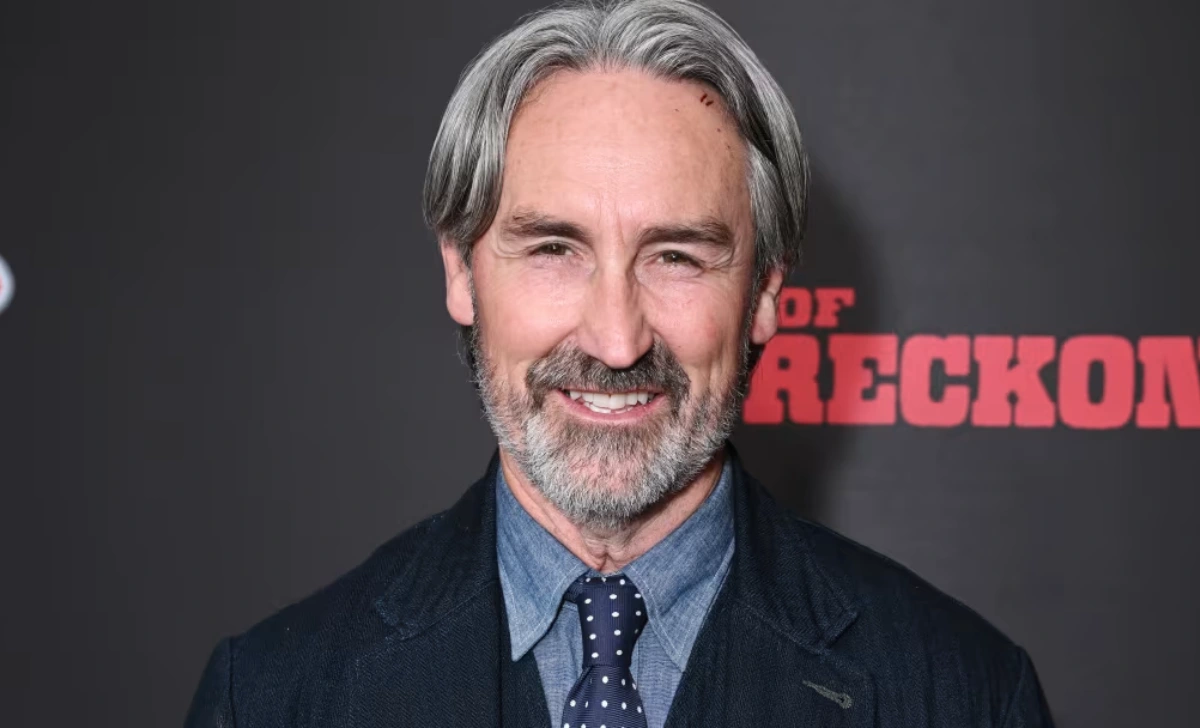
One abandoned gas station in Columbia, Tennessee, sparked measurable economic growth in its downtown district. The Mike Wolfe passion project shows how historic preservation can create community transformation beyond celebrity involvement.
Most fans know Mike Wolfe as the host of American Pickers, traveling America’s backroads hunting vintage treasures. His real focus emerges when cameras stop rolling. Since 2018, Wolfe has invested in historic preservation projects across multiple states, demonstrating how saving old buildings can generate economic activity.
Wolfe’s approach to community revitalization combines historic preservation with business strategy. His methods center on downtown restoration that creates ripple effects for surrounding properties and businesses.

You’ll learn the investment strategies, building evaluation criteria, and processes behind these projects. More importantly, you’ll discover how to start your own community revival project with local resources and planning.
What Makes Mike Wolfe’s Passion Project Different
Most celebrity restoration projects focus on personal homes or quick property flips. The Mike Wolfe passion project targets community ecosystems with a long-term vision extending beyond individual buildings.
Wolfe’s approach begins with local area analysis. Before purchasing property, his team studies demographics, foot traffic, and surrounding business activity. This research ensures each restoration contributes to broader downtown revitalization rather than isolated projects.
The projects prioritize community input from planning stages. Local historians, business owners, and residents participate in meetings shaping how each building serves the neighborhood. This collaborative approach creates local ownership, sustaining success after completion.
Unlike typical real estate investments, maximizing rental income, Wolfe’s properties often operate at modest returns. The broader value comes from increased surrounding property values, new business creation, and tourism revenue, benefiting the community.
His Two Lanes platform amplifies impact by showcasing local artisans, makers, and small businesses to wider audiences. This marketing component helps sustain the momentum that physical restoration creates.
The Investment Strategy Behind the Success
Understanding Wolfe’s financial approach reveals why these projects succeed where others struggle. His investment strategy balances preservation of authenticity with modern profitability requirements.
Breaking Down Project Costs
Building restorations vary widely in cost depending on size and structural condition. Projects range from modest investments to substantial undertakings involving multiple connected buildings.
Cost patterns typically follow these categories:
- Structural repairs and foundation work: Major budget portion
- Historical preservation and restoration: Significant allocation for maintaining authenticity
- Modern utilities and code compliance: Required updates for safety and functionality
- Interior design and furnishing: Final touches for usability
Hidden costs often add to initial budgets. Unexpected foundation issues, environmental remediation, and extended permit processes create the most significant overruns.
Funding Sources and Financial Planning
Wolfe combines multiple funding streams to reduce financial risk while maintaining project control:
- Personal Investment: Primary funding source
- Historic Tax Credits: Federal and state programs
- Community Development Grants: Local government sources
- Private Partnerships: Local business investors
This diversified approach provides financial stability while building community stakeholder support. Grant funding requires strict preservation guidelines aligning with authentic restoration philosophy.
Projects typically achieve sustainability through rental income, business revenue, and property appreciation. Long-term value comes from broader economic impact rather than individual building performance alone.
Columbia, Tennessee: A Blueprint for Small-Town Revival
Columbia’s transformation demonstrates how strategic preservation investments can affect downtown districts. This Tennessee city of approximately 41,000 residents became Wolfe’s primary location for testing community revival strategies.
The city’s historic downtown experienced a typical small-town decline before Wolfe’s involvement in 2018. Vacant storefronts, declining foot traffic, and limited dining options created challenges affecting the surrounding areas.
Wolfe’s initial investment focused on anchor properties attracting both locals and tourists. The Revival restaurant created a destination dining experience, while the Columbia Motor Alley development provided space for local artists and small businesses.
The Economic Impact
The measurable results show community-focused preservation effects:
- Property Values: Surrounding downtown properties showed growth following project completion.
- Business Growth: New business applications in the historic district increased between 2019 and 2024.
- Tourism Revenue: Visitor spending in Columbia’s downtown area grew, according to the Maury County Tourism Bureau.
- Employment: The restored properties created jobs directly, while secondary business growth added positions.
Local sales tax revenue from the downtown district increased during this period, providing municipal government resources for infrastructure improvements.
Community Response and Long-Term Effects
Community engagement exceeded initial expectations. Local property owners began investing in facade improvements and business upgrades without direct financial incentives.
The Columbia Historic Commission reports increased preservation project applications since 2019. This ripple effect demonstrates how successful anchor projects inspire broader community investment.
Monthly downtown events now attract visitors from Nashville, Memphis, and surrounding areas. The increased foot traffic supports both restored properties and existing businesses predating Wolfe’s involvement.
Mike Wolfe’s 7-Point Building Evaluation System
Successful preservation requires systematic property evaluation. Wolfe’s team uses specific criteria balancing historical significance with practical restoration potential.
- Structural Integrity Assessment: Buildings must have sound foundations and load-bearing elements. Cosmetic damage is manageable, but major structural issues make projects financially challenging.
- Historical Significance Verification: Properties should have documented local or regional importance. This qualification improves grant funding eligibility and community support.
- Location and Accessibility Analysis: Downtown or main street locations receive priority. Adequate parking and pedestrian access are necessary for business success.
- Zoning and Permit Compatibility: Current zoning must allow intended uses, or reasonable variance approval prospects must exist.
- Utility Infrastructure Evaluation: Electrical, plumbing, and HVAC systems need assessment for upgrade requirements and associated costs.
- Market Demand Research: Local demographics and competition analysis ensure restored properties will find sustainable tenants or customers.
- Community Support Measurement: Conversations with neighbors, local officials, and business owners gauge project reception and potential obstacles.
Buildings scoring well across all seven criteria move to detailed financial analysis. Those with concerns in multiple areas typically get eliminated regardless of historical importance or personal appeal.
Technical Challenges and Practical Solutions
Historic preservation involves complex technical problems that standard construction doesn’t encounter. Wolfe’s team has developed approaches for common issues.
Older buildings often contain asbestos, lead paint, or other hazardous materials requiring specialized removal. Environmental remediation represents a significant cost factor in pre-1970 structures.
Modern building codes must be met while preserving historical features. Solutions include hidden fire suppression systems and discrete accessibility improvements, maintaining architectural integrity.
Original materials like specific brick types, hardwood species, or metal fixtures require specialized suppliers. Maintaining relationships with salvage companies and historical material dealers prevents project delays.
Traditional building techniques require experienced workers who command premium wages. Training partnerships with local trade schools help develop needed skills while controlling costs.
Historical districts have additional approval layers beyond standard building permits. Early coordination with preservation commissions and planning departments prevents costly delays.
Wolfe’s team maintains detailed records from previous projects that streamline future renovations and improve cost estimation accuracy.
How Regular People Can Start Their Own Revival Project
You don’t need television fame or unlimited budgets to revitalize historic buildings in your community. These proven strategies make preservation projects accessible to dedicated individuals and small groups.
Step-by-Step Action Plan
Step 1: Research your local historic districts and identify buildings needing attention. City planning departments maintain lists of historically significant properties and their current conditions.
Step 2: Connect with your municipal historic preservation office. These departments provide guidance on regulations, available grants, and successful project examples from other communities.
Step 3: Form a preservation organization or join existing groups. Nonprofit status improves grant eligibility and demonstrates community commitment to potential partners.
Step 4: Start with smaller projects to build experience and credibility. Facade improvements, signage restoration, or landscaping projects require smaller investments while creating a visible impact.
Step 5: Develop relationships with preservation professionals, including architects, contractors, and consultants who specialize in historic buildings.
Step 6: Create detailed project budgets including contingencies for unexpected problems. Preservation projects typically require higher contingency funds than standard construction.
Step 7: Secure funding commitments before beginning work. Multiple funding sources reduce risk and increase project stability.
Building Your Support Network
Successful preservation requires diverse expertise and community connections:
Professional Team: Historic preservation architect, experienced general contractor, structural engineer familiar with old buildings, and environmental consultant for hazardous materials.
Financial Partners: Local banks with community development lending programs, grant writing consultants, and real estate attorneys familiar with historic properties.
Community Allies: Local government officials, chamber of commerce leadership, existing business owners, and historical society members.
Regular communication with all stakeholders prevents misunderstandings and builds long-term support for ongoing preservation efforts.
Lessons from Failed Projects and Costly Mistakes
 Even experienced preservationists encounter projects that don’t meet expectations. Learning from these failures prevents repeating expensive mistakes.
Wolfe’s team abandoned a planned restoration in Kentucky after discovering foundation problems exceeding the building’s post-restoration value. This experience reinforced the importance of thorough structural assessments before purchase.
A Tennessee project exceeded budget when environmental testing revealed extensive asbestos requiring specialized removal. Now, environmental assessments happen during initial evaluation rather than after purchase commitments.
Community opposition stopped a planned Iowa project when residents objected to the proposed restaurant use in a former bank building. Earlier community engagement could have identified concerns and modified plans to address objections.
Common Failure Patterns:
- Inadequate structural assessment leading to surprise costs
- Poor community communication is creating opposition
- Insufficient contingency planning for permit delays
- Unrealistic timeline expectations are causing rushed decisions
FAQs
How much money has Mike Wolfe invested in his passion project?
Mike Wolfe has invested in multiple restoration projects since 2018, with individual buildings varying in cost depending on size and scope.
Can regular people visit Mike Wolfe’s restored buildings?
Yes, most restored properties are open to the public, including the Revival restaurant in Columbia, Tennessee, and the Columbia Motor Alley development with shops and community spaces.
How do you start a historic preservation project in your town?
Begin by contacting your local historic preservation office, researching available grants, forming community partnerships, and starting with smaller projects to build experience and credibility.
What buildings does Mike Wolfe look for in his passion project?
Wolfe focuses on structurally sound buildings with original architectural details, downtown locations, community significance, and compliance with his 7-point evaluation system.
Does Mike Wolfe’s passion project make money?
While individual properties may operate at modest returns, success is measured by community economic impact, including increased property values, job creation, and tourism revenue.