
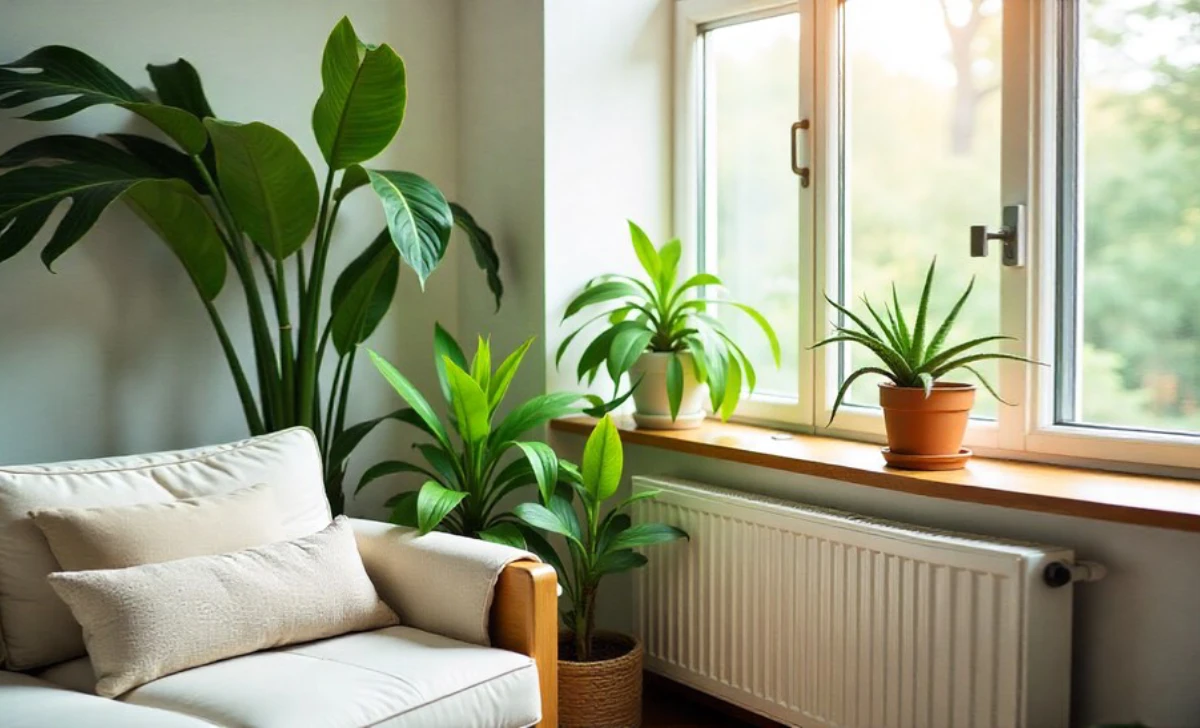
Indoor plants add life to your home while cleaning the air you breathe. They remove common toxins and create a healthier living space.
Many houseplants naturally filter pollutants like formaldehyde and benzene from indoor air. You’ll find options for every skill level and lighting situation.
Why Indoor Plants Purify Air
Plants absorb harmful chemicals through their leaves and roots. They convert toxins into nutrients and release clean oxygen back into your space.
Research shows that certain plants remove specific pollutants found in furniture, cleaning products, and building materials. The plants below target common indoor air contaminants.
Best Plants That Purify Air
Gerbera Daisy
Gerbera Daisy (Barberton Daisy) produces bright flowers in red, pink, yellow, and orange. This plant removes formaldehyde and trichloroethylene from your air.
You’ll need to provide bright, indirect light and regular watering. The colorful blooms make it worth the extra care.
English Ivy
English Ivy stays green year-round and grows as a trailing vine. It reduces airborne particles and works well in hanging baskets or as ground cover.
This plant needs at least four hours of sunlight daily and consistent watering. Place it near a window where it gets steady light.
Snake Plant
Snake Plant (Mother-in-Law’s Tongue) survives with minimal water and low light. It releases oxygen at night, making it ideal for bedrooms.
This plant filters formaldehyde, xylene, and benzene. The roots rot if overwatered, so let the soil dry between waterings.
Spider Plant
Spider Plant features arching white and green striped leaves. It removes carbon monoxide and xylene while requiring little maintenance.
This plant is non-toxic to pets. Water it weekly and provide indirect light for best growth.
Aloe Vera
Aloe Vera clears formaldehyde and benzene from your air. The gel inside the leaves treats minor burns and skin irritation.
This succulent needs bright, direct sunlight for several hours daily. Place it on a sunny windowsill or balcony.
Red-Edged Dracaena
Red-Edged Dracaena (Dragon Tree) grows slowly and reaches six to eight feet indoors. The red-trimmed green leaves filter trichloroethylene and xylene.
This plant adapts to moderate light and needs watering when the soil feels dry. It adds height without taking up floor space.
Chinese Evergreen
Chinese Evergreen tolerates low light and various indoor conditions. It removes formaldehyde and benzene effectively.
This tropical plant needs humidity, so mist the leaves every few days. Water when the top inch of soil dries out.
Devil’s Ivy
Devil’s Ivy (Pothos) grows heart-shaped leaves on trailing vines. It reduces formaldehyde, benzene, and toluene levels.
This plant thrives in indirect light and needs watering when soil is dry. Hang it in a basket or let it climb a moss pole.
Kentia Palm
Kentia Palm grows slowly and tolerates shade for extended periods. This elegant palm purifies air while adding a tropical look.
Place it where it receives bright, indirect light when possible. Water when the top two inches of soil feel dry.
Flamingo Lily
Flamingo Lily (Anthurium) produces glossy red flowers that last for weeks. It cleans air while adding bold color to any room.
This plant needs bright, indirect light but no direct sun. Keep the soil moist but not waterlogged.
Note: Flamingo Lily is toxic to pets and children if ingested. Keep it out of reach.
Choosing the Right Plant for Your Space
Match plants to your lighting conditions. Snake plants and Chinese evergreens work in low light. Aloe vera and gerbera daisies need bright, direct sun.
Consider your schedule. Spider plants and snake plants forgive missed waterings. Gerbera daisies and English ivy need consistent care.
Check pet safety if you have animals. Spider plants are non-toxic. Keep flamingo lilies, devil’s ivy, and dracaena away from pets.
Getting Started
You can buy these plants from local nurseries or online retailers. Start with one or two low-maintenance options like a snake plant or a spider plant.
Place plants where you spend the most time. Bedrooms, living rooms, and home offices benefit most from cleaner air.
Indoor plants improve your air quality and mood. Choose varieties that fit your lifestyle and watch your space transform.