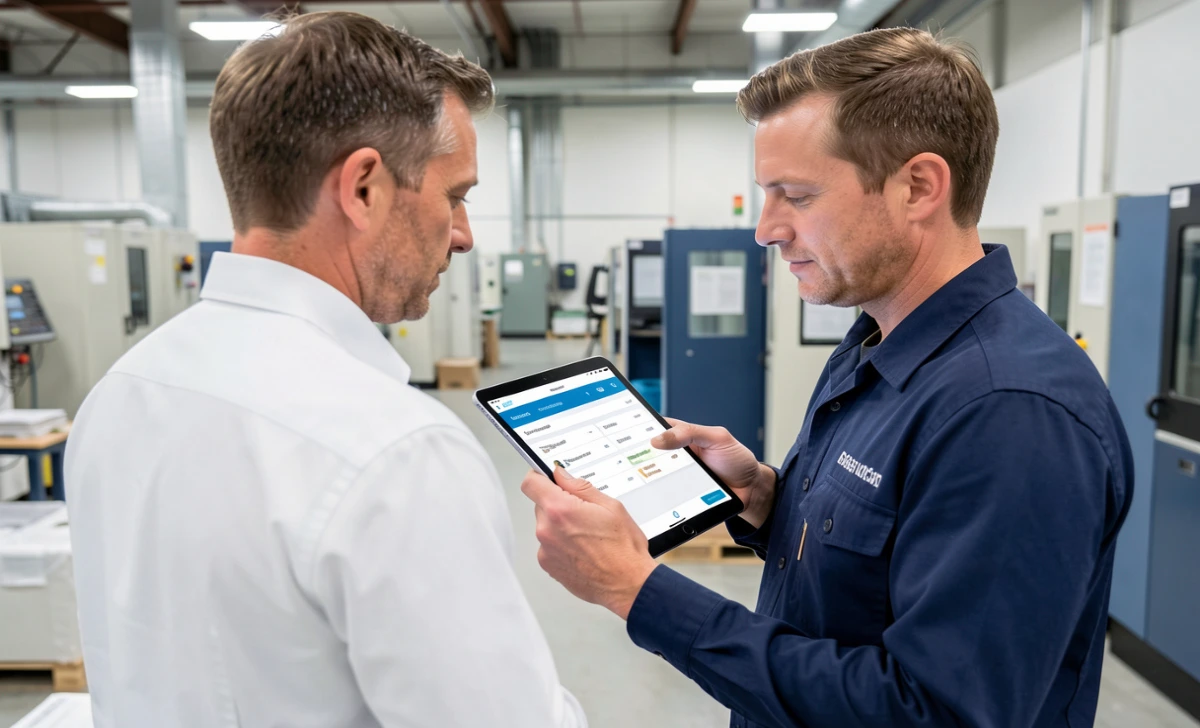
Outdated Work Order Management processes cost you time and money. Every delayed repair frustrates customers and hurts your bottom line.
If your facilities team still relies on paper tickets and manual routing, you’re losing productivity every day. Modern Work Order Management systems eliminate paperwork, speed up response times, and give your team the tools they need to work efficiently.
This guide shows you five practical ways to improve how your facilities handle maintenance requests. You’ll learn which technologies deliver real results and how to implement them without disrupting your operations.
Why Work Order Management Matters for Your Business
Work order management affects every part of your facility’s operation. When equipment breaks down, your team needs to respond quickly. Poor management leads to delays, missed maintenance tasks, and unhappy customers.
In today’s market, customers expect fast service. They can easily share their experiences online. A single maintenance delay can damage your reputation.
Good Work Order Management helps your team track requests, assign tasks, and complete jobs faster. You gain visibility into your operations and can spot problems before they become emergencies.
Many facilities still use manual processes. Workers write down requests on paper, managers route tasks by phone, and teams waste time traveling back to central offices for updates. This approach creates bottlenecks and errors.
Modern systems automate these steps. Work orders go directly to the right team members. Your facilities manager can track progress in real time and adjust schedules as needed.
5 Ways to Improve Your Work Order Management
Your team can only perform as well as their tools allow. These five solutions will help you speed up maintenance workflows and improve results.
Give Your Team Mobile Access
How much time does your team waste walking back to desktop computers? If workers take notes by hand and then return to an office to enter data, you’re paying for duplicated effort.
Mobile Work Order Management lets your team complete tasks without extra trips. Field workers can view assignments, update status, and close tickets from their phones. They can upload photos of completed work and access job history on site.
Cloud-based systems keep everyone connected. Your team can see real-time schedules and communicate about specific jobs. Managers can assign work to multiple people and track progress without phone calls.
This shift has the biggest impact on productivity. Managers spend less time routing information manually. Your team focuses on completing work instead of updating paperwork.
Connect Your CRM System
Your facilities team does more than fix equipment. They interact with customers every day. Good customer service requires access to the right information.
Many Work Order Management systems integrate with customer relationship management software. This connection gives your team instant access to customer contact details, service history, and equipment records.
When technicians know a customer’s background, they can provide better service. Even routine maintenance becomes an opportunity to build trust. Your team can anticipate needs and address concerns before customers ask.
Integration also helps you track customer satisfaction. You can identify patterns in service requests and improve your response to common issues.
Use Quality Control Tools
Speed matters, but quality matters more. Your team needs the right information to complete jobs correctly the first time.
Modern quality control systems give technicians access to manuals, schematics, and process instructions while they work. They don’t need to guess or make awkward calls back to the office.
These systems organize information by equipment type and job category. Your team can quickly find what they need. This reduces errors and helps newer technicians perform at a higher level.
Training materials, safety procedures, and troubleshooting guides should all be available through your mobile system. This setup ensures consistent work quality across your entire team.
Implement Preventive Maintenance
Fixing broken equipment costs more than preventing failures. Preventive maintenance schedules regular inspections and service before problems occur.
Your work order system should track maintenance schedules automatically. When equipment is due for service, the system creates a work order and assigns it to your team. This prevents emergency breakdowns and extends equipment life.
Some advanced systems use sensors to monitor equipment performance. These tools can predict when components will fail and schedule maintenance accordingly. While this technology requires investment, it can significantly reduce repair costs.
Start with basic preventive maintenance. Schedule regular inspections for critical equipment. Track completion rates and adjust your schedule based on actual performance data.
Add Self-Service Options
Your customers want control over service requests. They prefer to submit tickets themselves rather than wait on hold.
Self-service portals let customers enter their own work orders. They can describe problems, upload photos, and track progress online. This reduces calls to your office and gets your team working faster.
You can build self-service into your website or mobile app. Customers appreciate the convenience, and your staff avoids unnecessary administrative work.
Self-service also improves accuracy. Customers can provide detailed information when they submit requests. Your team arrives on site with a better understanding of the problem.
Start Improving Your Work Order Management
You don’t need to implement every solution at once. Start with mobile access for your team. This single change will show immediate productivity gains.
Once your team adapts to mobile tools, add preventive maintenance scheduling. Focus on your most critical equipment first. Track results and expand the program as you see benefits.
Integration with customer systems and quality control tools can follow. Build your capabilities based on what delivers the most value for your specific operation.
Modern Work Order Management isn’t about adding complexity. It’s about removing barriers that slow down your team. The right tools let your people focus on completing work instead of managing paperwork.
Taking the Next Step
Improving your Work Order Management requires commitment but delivers measurable results. Your team will complete more jobs, respond faster to customer needs, and prevent costly emergency repairs.
Mobile solutions form the foundation of any modern system. They eliminate wasted travel time and give your team instant access to information. When you add preventive maintenance and quality control tools, you build a complete solution.
Customer satisfaction improves when your team has the right tools. Faster response times, better communication, and consistent quality all contribute to stronger customer relationships.
The technology exists to transform your facility’s operation. The question is when you’ll implement it, not if you should. Start with one improvement and build from there. Your team and your customers will notice the difference.