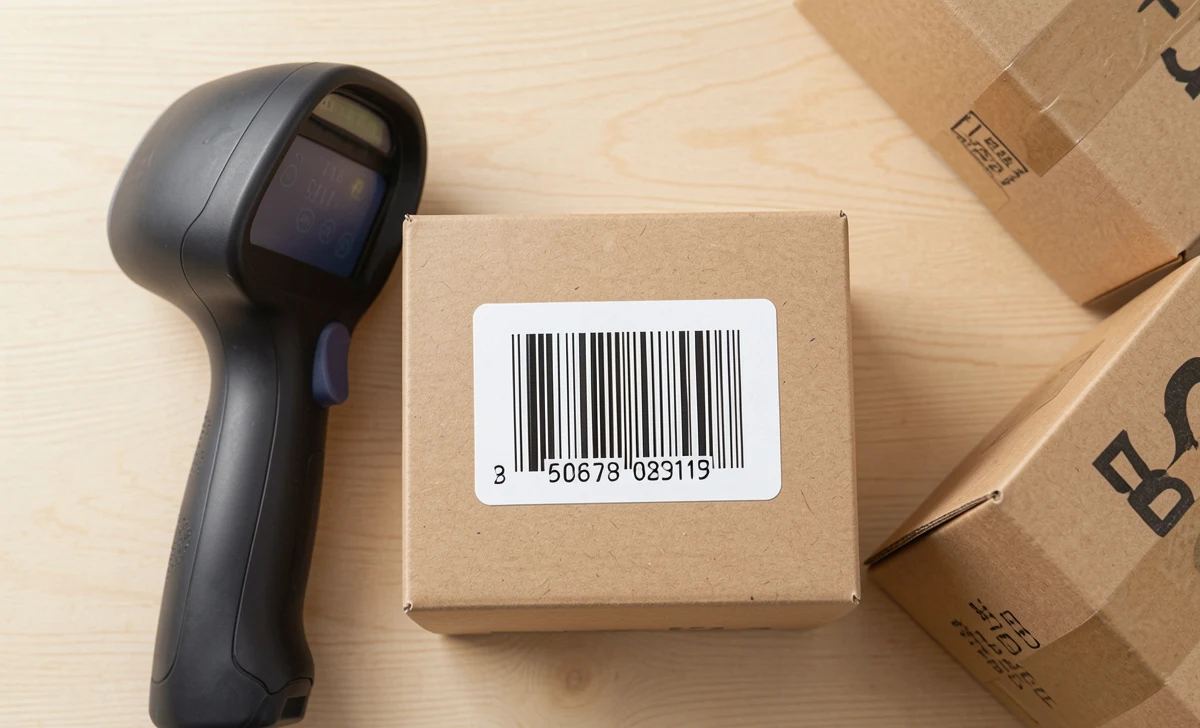
If you have ever bought a grocery item, checked in a suitcase at the airport, or received a package from Amazon, you have used a barcode. These small black-and-white patterns appear everywhere, yet most people rarely think about them. But behind those simple lines lies one of the most important pieces of technology in the modern world. Understanding the importance of barcodes is the first step toward running a more efficient and profitable business.
Whether you run a small retail shop, sell products online, or manage inventory in a warehouse, knowing the importance of barcodes can save you significant time, money, and frustration. In this article, we will explore how barcodes work, why they matter for businesses of all sizes, and how you can use them to prevent human error, track inventory, and improve efficiency.
What Exactly Is a Barcode?
A barcode is a machine-readable representation of data. When scanned, it instantly pulls up information such as a product name, price, serial number, or expiration date. The most familiar types are the vertical black lines you see on product packaging, but modern barcodes also include square patterns like QR codes.
Barcodes eliminate the need to type numbers manually. That simple shift from manual to automated data entry has transformed industries ranging from retail to healthcare to logistics. Once you recognize the importance of barcodes, you will start seeing them everywhere – and understanding why they matter.
Why Are Barcodes So Important?
The importance of barcodes goes far beyond speeding up checkout lines. They help businesses operate with fewer errors, lower costs, and better organization. Let us break down the key benefits in practical terms.
1. Saving Money and Reducing Waste
Every business, whether offline or online, looks for ways to save money. One of the most immediate benefits of a barcode system is reducing overordering and waste.
Consider Amazon sellers. Many decide to buy UPCs for Amazon because it allows them to track exactly what sells and what does not. When you scan items as they sell, your inventory system updates in real time. You know precisely when to reorder and how much to order. This prevents tying up cash in slow-moving products or throwing away expired or damaged goods.
Some companies report saving $100k per year or more simply by switching to barcode-based inventory management. Those savings can then be reinvested into marketing, product development, or better employee wages. For small businesses, even smaller savings can mean the difference between struggling and thriving.
2. Preventing Human Error
People make mistakes. A cashier might type 29.99 instead of 19.99. A warehouse worker might misread a SKU number. A stock clerk might record 100 units instead of 10. Manual processes are full of small errors that add up to big problems over time.
Barcodes help prevent human error by automating data entry. Scanning a barcode is almost always accurate, provided the barcode is undamaged and the scanner works. This means prices are correct at checkout, inventory counts stay accurate, and customer orders ship correctly.
One common question business owners ask is: “My team is careful. Do we really need barcodes?” The honest answer is yes. Even the most careful employee will make occasional data entry errors, especially under time pressure or when tired. A barcode scanner removes that risk entirely.
3. Reducing Employee Training Time
Hiring and training new employees takes time and money. If your system relies on memorizing product codes or looking up prices in a binder, new hires will take weeks to become productive.
A barcode system dramatically reduces employee training time. Instead of memorizing dozens of SKUs, a new cashier simply scans each item. Instead of learning complex pricing rules, a warehouse worker scans products as they arrive. This allows new employees to work independently much faster.
Business owners often tell us that switching to barcodes cuts their training time by half or more. That means less frustration for trainers and less stress for new hires.
4. Better Data Collection and Smarter Decisions
Every company needs data to grow. You need information about your products, customers, competition, market trends, and company performance. You may also track data about the global economy, new technologies, social media engagement, and user behavior.
Collecting all this data manually is nearly impossible. Barcodes make data collection easy and accurate. Every scan records a transaction, a location, a time, and a product. Over time, that data becomes a goldmine of insights.
For example, a retailer can see which products sell best on weekends versus weekdays. A restaurant can track which ingredients expire most often. A warehouse can identify which staff members are most efficient at packing orders. Without barcodes, gathering this information would require hours of manual counting and data entry.
5. A Faster Solution for Retail and Beyond
Speed matters. In retail, customers expect fast checkout. If each transaction takes an extra 10 seconds because an employee has to type in numbers, a long line quickly forms. That leads to frustrated customers and lost sales.
A barcode scanner reads a code in a fraction of a second. The entire checkout process becomes faster, which means happier customers and higher throughput. This speed advantage also applies to warehouses, where workers scan items as they put them away or pick them for orders.
One frequently asked question is: “Is barcode scanning really that much faster than manual entry?” Yes. Manual entry takes several seconds per item. Barcode scanning takes less than one second. Over hundreds or thousands of transactions daily, that difference adds up to hours of saved time.
6. Increased Efficiency Across Operations
Efficiency is about doing more with less effort. Barcodes increase efficiency in several ways:
- Batch scanning: Scan multiple items quickly when receiving a large shipment.
- Put-away efficiency: Scan items as you place them on shelves, automatically updating inventory.
- Cycle counting: Scan a subset of inventory to check accuracy without stopping operations.
- Asset tracking: Attach barcodes to equipment, laptops, or tools to know who has what.
These small efficiencies compound over time. A warehouse that saves 30 minutes per day across five employees saves over 100 hours per year. That time can be redirected to more valuable tasks.
7. Tracking Inventory Accurately
Tracking inventory is one of the most important things you can do for your business, and barcodes are the best way to do it. Each time an item is sold, the barcode is scanned, and that information is sent to your inventory tracking system. You always know how many items you have in stock and when to reorder.
For businesses that sell perishable goods, barcodes are even more critical. By scanning expiration dates, you can see which products need to be used or sold first. This reduces waste and ensures you never sell expired products to customers.
A bakery, for example, can program its barcode system to flag bread that expires in two days. Staff can then discount it or move it to the front of the shelf. Without barcodes, tracking expiration dates manually is tedious and error-prone.
Common Types of Barcodes You Should Know
Not all barcodes are the same. Different industries use different formats. Here are the most common types of barcodes you will encounter:
- UPC (Universal Product Code) – The standard 12-digit barcode on most retail products in North America.
- EAN (European Article Number) – Similar to UPC but 13 digits, used globally.
- Code 39 – An alphanumeric barcode used in manufacturing, healthcare, and government.
- Code 128 – High-density barcode used in shipping and logistics.
- QR Code (Quick Response) – A square, two-dimensional code that holds more data, often used for marketing and mobile payments.
- Data Matrix – Compact square code used for small items like electronics components.
- ISBN (International Standard Book Number) – Used specifically for books.
- ITF-14 (Interleaved 2 of 5) – Used on packaging and shipping cartons, encoding 14 digits including GTIN.
If you are just starting, UPC or EAN are usually the best choices for retail products. For internal tracking only, Code 39 or Code 128 works well and is easy to generate.
Real Questions Business Owners Ask About Barcodes
How much does a barcode system cost?
Entry-level barcode systems are very affordable. A USB barcode scanner costs $20–50. Free or low-cost inventory software works for many small businesses. As you grow, you can invest in more advanced systems.
Can I create my own barcodes?
Yes, for internal use. But if you plan to sell products on Amazon or in retail stores, you need official UPCs purchased from GS1 or an authorized reseller.
Do barcodes expire?
No, barcodes do not expire. However, the products they identify may be discontinued or updated.
What happens if a barcode gets damaged?
Most systems allow manual entry as a backup. For critical items, print duplicate barcodes on different surfaces.
Final Thoughts: Why Your Business Needs Barcodes Now
Barcodes have been around for decades, and their importance has only grown. They help businesses save money, prevent human error, reduce training time, collect better data, work faster, and track inventory accurately. Once you fully understand the importance of barcodes, you will see why so many business owners consider them essential, not optional.
If your business still relies on manual processes, you are losing time and money every single day. Implementing a barcode system is a low-cost, high-return investment that pays for itself quickly.
Start small. Buy a scanner. Print some barcode labels. Test it on one part of your operation. Once you see the difference, you will wonder how you ever managed without them.
Whether you run a corner store, an Amazon FBA business, or a warehouse with thousands of SKUs, barcodes give you peace of mind, better organization from top to bottom, and the foundation for growth. Do not wait until a costly error forces your hand. Make the switch today.
Disclaimer: This article is for informational and educational purposes only. While every effort has been made to ensure accuracy, barcode requirements (such as UPC purchase through GS1) and business results vary by region, platform, and individual circumstances. Readers should verify any technical or legal requirements with relevant authorities or professionals before implementing a barcode system. The author and publisher assume no liability for any losses or damages resulting from the use of this information.