Key Takeaways:
- Iceland’s weather changes rapidly and varies significantly by month.
- Layered, waterproof clothing is essential year-round.
- Check weather forecasts daily and adjust plans as conditions change.
What Makes Iceland’s Weather Challenging?
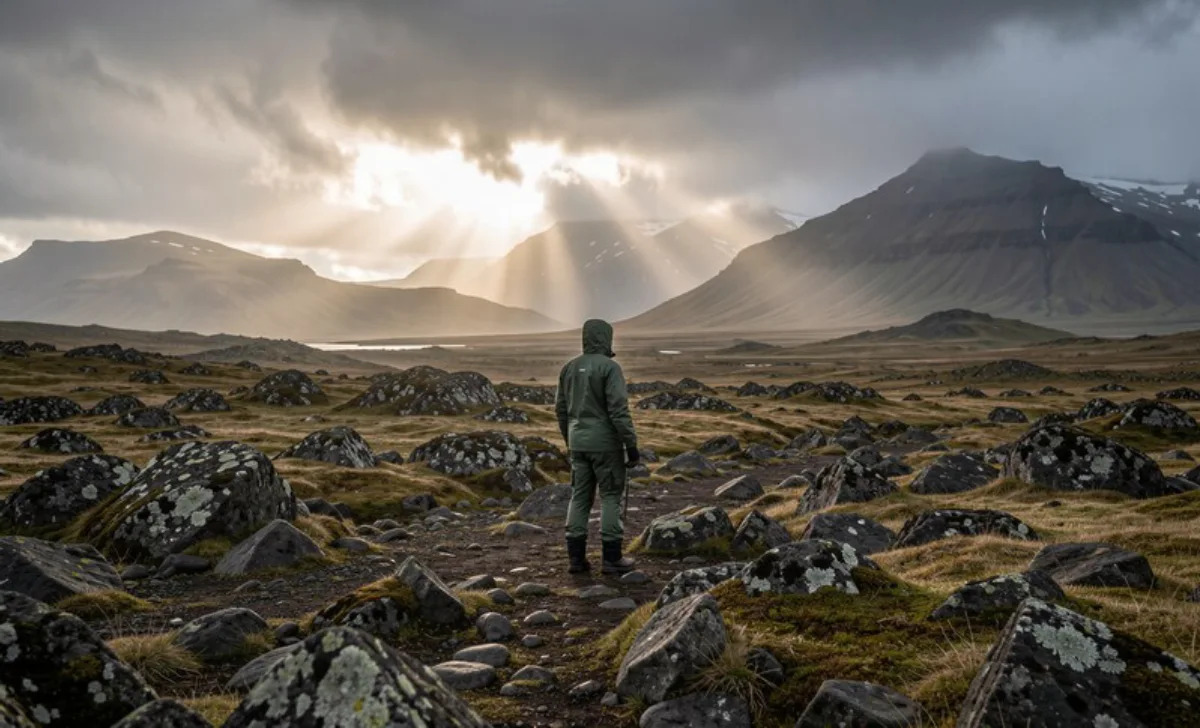
Iceland sits near the Arctic Circle, which means the weather can shift from calm to severe within hours. You might experience sun, rain, wind, and snow in a single day. This happens year-round, not just in winter.
Understanding Iceland’s weather by month helps you pack correctly and set realistic expectations. The right preparation makes the difference between a comfortable trip and a miserable one.
This guide covers what to expect each season, what to pack, and how to stay safe when conditions change.


What to Expect Each Season
Iceland’s climate follows four distinct seasons, each with specific weather patterns.
Spring (April to May) brings longer days and melting snow. Temperatures range from 32°F to 50°F (0°C to 10°C). Cold snaps still occur, and wind remains strong. Roads in highland areas stay closed until late spring.
Summer (June to August) offers the mildest weather. Temperatures reach 50°F to 60°F (10°C to 15°C), occasionally higher in sheltered areas. The Midnight Sun extends daylight to nearly 24 hours. Rain is common, and wind continues throughout the summer months.
Fall (September to October) shows rapid temperature drops. Expect 40°F to 50°F (4°C to 10°C) with increasing wind and rain. Snow begins in the highland areas by October. Days shorten quickly.
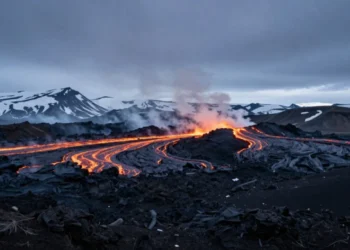
Winter (November to March) brings snow, ice, and limited daylight. Temperatures hover between 20°F and 35°F (-6°C to 2°C). Coastal areas may stay slightly warmer, but wind chill makes it feel colder. The Northern Lights appear frequently during dark winter nights.
How to Pack for Iceland
Layering works best for Iceland’s changing conditions. You need clothing that adapts quickly.
Your base layer should wick moisture away from your skin. Choose merino wool or synthetic materials, not cotton. Cotton stays wet and pulls heat from your body.
The middle layer provides insulation. Fleece or down jackets work well. Bring options you can add or remove as temperatures shift.
Your outer layer must be waterproof and windproof. A quality rain jacket with a hood is non-negotiable. Waterproof pants protect you during extended outdoor time.
Accessories matter as much as clothing. Pack waterproof gloves, a warm hat that covers your ears, and a scarf or neck gaiter. Even in summer, you’ll need these items for windy or rainy days.
Footwear requires careful selection. Waterproof hiking boots with ankle support and deep tread prevent slips on wet rocks and icy paths. Break in boots before your trip to avoid blisters.
Driving in Icelandic Weather
Renting a car gives you freedom to explore, but the weather affects road safety significantly.
Winter driving requires experience with ice and snow. Roads can be icy even when they look clear. Snow tires are mandatory from November through April, and some rental companies require 4WD vehicles. Chains may be necessary in severe conditions.
Summer roads are easier but still present challenges. Sudden rain reduces visibility, and gravel roads become slippery when wet. Fog appears quickly in coastal areas.
Check road conditions at road.is before each drive. The weather can close roads with little warning. If conditions deteriorate while driving, find a safe shelter and wait. Icelandic weather passes quickly, but pushing through dangerous conditions risks accidents.
Staying Safe During Outdoor Activities
Iceland’s landscape attracts hikers, glacier walkers, and nature enthusiasts. The weather can turn dangerous quickly in remote areas.
Always tell someone your plans before heading out. Share your route, expected return time, and emergency contact information. Check weather forecasts multiple times before departure.
The Icelandic Meteorological Office (vedur.is) provides detailed weather alerts. SafeTravel.is offers current safety information specific to travelers. Download offline maps before entering areas without cell coverage.
Carry emergency supplies in your vehicle and backpack. Include extra food, water, a first-aid kit, a flashlight, and an emergency blanket. Phone batteries drain faster in cold weather, so bring portable chargers.
If the weather worsens during your activity, turn back. No view or experience is worth risking your safety.
When Should You Visit Iceland?
Your ideal travel time depends on what you want to experience and which weather you can handle.
Summer (June to August) attracts the most visitors. Longer days allow more sightseeing time, and roads to remote areas open. Temperatures are milder, making camping and hiking more comfortable. However, popular sites get crowded, and prices increase.
Winter (November to March) suits travelers seeking the Northern Lights and winter activities. Ice caves open for exploration, and snow creates dramatic landscapes. Expect shorter days, colder temperatures, and potential travel disruptions. Some roads and attractions close entirely.
Spring and fall offer fewer crowds and lower prices. Weather becomes less predictable, but you’ll find accommodation easier to book. These seasons work well if you’re flexible with plans and don’t mind adjusting to conditions.
Resources for Monitoring Weather
Staying informed prevents surprises and keeps you safe.
The Icelandic Meteorological Office (vedur.is) provides detailed forecasts, weather warnings, and road condition updates. Check it daily, sometimes multiple times if conditions are changing.
SafeTravel.is combines weather information with travel safety alerts. It shows which areas face dangerous conditions and provides guidance for tourists.
Download apps that work offline. Iceland’s remote areas lack cell coverage, so offline maps and cached weather data become essential. Update information before leaving areas with internet access.
Local visitor centers offer current condition reports and advice. Staff understand regional weather patterns and can suggest timing for specific activities.
Planning Your Iceland Trip
Iceland rewards prepared travelers. The weather will challenge you, but understanding what to expect helps you focus on the experience rather than discomfort.
Research Iceland’s weather by month for your specific travel dates. Pack layers and waterproof gear regardless of the season. Check forecasts daily and stay flexible with your itinerary.
Weather changes quickly, but conditions rarely stay bad for long. With proper preparation and realistic expectations, you’ll safely experience Iceland’s dramatic landscapes and unique natural features.