
The advertising landscape is changing at an unprecedented pace. The effectiveness of loud, interruptive traditional ads is waning as modern consumers have become adept at tuning them out. Phenomena like “banner blindness,” the widespread adoption of ad-blocking software, and a general skepticism towards overt corporate messaging mean that brands must find new, more subtle ways to connect. Today, consumers, particularly younger demographics like Millennials and Gen Z, don’t just want to be sold to; they seek real connections, authentic recommendations, and trusted voices to guide their purchasing decisions.
What is brand influence marketing?
This fundamental shift has propelled brand influence marketing to the forefront of modern marketing strategy. It’s no longer just an optional add-on but a critical component for success. The core principle is moving away from direct selling and towards building genuine, long-term relationships with an audience through credible creators they already follow and trust. This approach, often referred to as Trusted brand influence marketing, leverages the power of authenticity and relatability to create meaningful brand engagement that feels more like a conversation than a commercial.
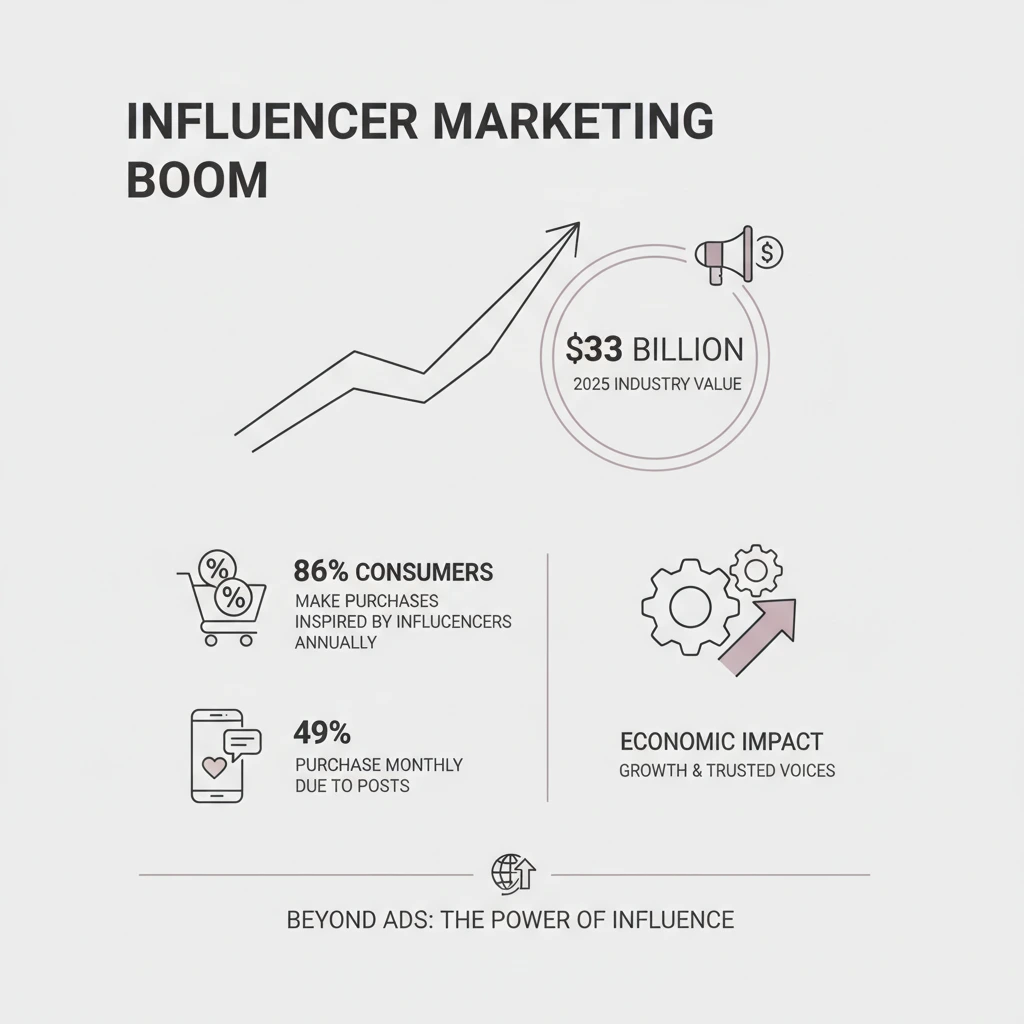
The numbers speak for themselves, painting a clear picture of a thriving and impactful industry. Almost 86% of consumers make a purchase inspired by an influencer every year, with nearly half (49%) making purchases at least once a month due to influencer posts. This industry is set to reach a massive $33 billion by 2025, underscoring its undeniable impact on consumer behavior and purchasing decisions. Beyond these headline figures, deeper data reveals even more compelling insights. Studies show that for every dollar spent on influencer marketing, brands can see an average return on investment (ROI) of $5.78, with top-performing campaigns yielding returns as high as $18. The impact varies by platform, with TikTok leading in engagement for short-form video content and Instagram remaining a powerhouse for lifestyle and visual-centric products. YouTube continues to dominate for in-depth reviews and tutorials, demonstrating that a multi-platform approach can capture different facets of the consumer journey.

Understanding the Modern Influencer Landscape
So, how can your brand harness this power? In this extensive guide, we will walk you through building authentic brand influence. We will cover everything from understanding different influencer types to crafting a winning strategy. We will also explore how to measure success, avoid common pitfalls, and prepare for emerging trends. We will dig into the evolution of this field, showing how modern approaches, often supported by AI-driven brand influence marketing platforms, empower brands to connect with their target audiences more effectively than ever before.
Influencer marketing has evolved significantly from its early days of simple celebrity endorsements. What began as a way for brands to tap into the broad, but often impersonal, fame of movie stars or athletes has transformed into a deeply nuanced and sophisticated ecosystem of digital creators. The initial phase saw the rise of “mommy bloggers” and tech reviewers in the late 2000s, who built trust through detailed, personal accounts on their websites. The subsequent explosion of social media platforms catalyzed the next wave. YouTube gave birth to video creators who could demonstrate products and build loyal subscriber bases through long-form content. Then came Instagram, which democratized influence on a massive scale, creating a visual-first environment where “influencers” became a household term. More recently, platforms like TikTok have rewritten the rules again, prioritizing algorithm-driven content findy and raw, unfiltered authenticity over polished aesthetics. Today, influence is truly democratized, extending to individuals who have cultivated dedicated followings within hyper-specific niches—from sustainable living and vintage gaming to complex financial advice and niche academic subjects—often through consistent, high-value content creation. This evolution means that brands now have a vast spectrum of influencers to choose from, each offering distinct benefits and drawbacks depending on campaign objectives.
This evolution also extends beyond the digital screen into the physical world. The power of influence is increasingly being harnessed to create immersive, real-world brand experiences. This is where strategies like Brand Influence Event Marketing come into play, bridging the gap between online followers and tangible brand interactions. By inviting influencers to exclusive product launches, curated events, or brand-sponsored trips, companies can generate a wave of authentic content and social buzz that feels organic and exciting. These events not only provide influencers with unique content to share but also allow their followers to experience the brand vicariously, fostering a deeper sense of community and aspiration. This tactic has proven highly effective for industries like fashion, beauty, travel, and technology, where experiencing a product or service is paramount.
To effectively steer this landscape, it’s crucial to understand the different tiers of influencers. While follower count is the most common metric for categorization, it’s equally important to consider engagement rates, audience demographics, niche relevance, and content quality. Understanding these tiers helps brands align their marketing goals, budget, and desired outcomes with the most suitable collaborators. Here’s a detailed breakdown of the primary influencer categories:
Nano-Influencers (1,000 – 10,000 Followers)
Nano-influencers are everyday consumers who have a small but highly engaged following, often composed of friends, family, and people with shared, niche interests. Their power lies not in their reach, but in their authenticity and trust. Recommendations from a nano-influencer feel like advice from a close friend.
- Benefits: They boast the highest average engagement rates, are extremely cost-effective (sometimes working in exchange for free products), and offer a direct line to hyper-niche communities. Their content is often perceived as more genuine and trustworthy.
- Best For: Brands looking to build grassroots awareness, generate authentic user-generated content (UGC), and target very specific local or interest-based communities. Running a campaign with hundreds of nano-influencers can create a powerful groundswell of conversation.
Micro-Influencers (10,000 – 100,000 Followers)
Micro-influencers are a step up from nanos and are often considered the sweet spot for many brands. They have established themselves as experts or trusted voices within a specific niche, such as vegan cooking, sustainable fashion, or personal finance for millennials. They have a larger reach than nanos but still maintain a strong, personal connection with their audience.
- Benefits: They offer a fantastic balance of reach and engagement. Their audience is highly targeted and trusts their recommendations. They are more affordable than larger influencers, allowing brands to partner with multiple creators for a diversified campaign.
- Best For: Brands aiming to drive conversions and engagement within a specific target demographic. They are ideal for promoting niche products, running affiliate marketing campaigns, and building credibility within a particular industry.
Mid-Tier Influencers (100,000 – 500,000 Followers)
These influencers are established content creators who have often turned their social media presence into a full-time profession. They have a significant reach and a proven track record of creating high-quality, professional content. While their connection with individual followers may be less personal than that of a micro-influencer, they still command significant respect and authority in their field.
- Benefits: Mid-tier influencers provide a blend of broad reach and solid niche relevance. They are experienced in collaborating with brands and can produce polished campaign assets. Their larger audience can drive significant traffic and awareness.
- Best For: Brands looking to scale their influencer marketing efforts, launch new products to a wider audience, and generate high-quality content that can be repurposed across other marketing channels.
Macro-Influencers (500,000 – 1,000,000+ Followers)
Macro-influencers are often social media celebrities, top-tier bloggers, or public figures who have amassed a large and diverse following. Their content has a broad appeal that can transcend a single niche. Partnering with a macro-influencer can instantly place a brand in front of hundreds of thousands or even millions of people.
- Benefits: The primary benefit is massive reach and brand awareness. A single post can generate a huge spike in visibility and conversation. They are often managed by agencies, leading to a more professional and streamlined collaboration process.
- Best For: Top-of-funnel marketing goals, such as building widespread brand awareness, announcing major company news, or reaching a broad consumer audience quickly. They are particularly effective for large, established brands.
Mega-Influencers (Celebrities)
This tier consists of A-list celebrities, such as movie stars, musicians, and professional athletes, who have a massive public profile that extends far beyond social media. Their followings are enormous and incredibly diverse.
- Benefits: Unparalleled reach and the ability to confer instant credibility and glamour onto a brand. Celebrity endorsements can create massive media buzz and have a significant cultural impact.
- Best For: Large-scale branding campaigns where the goal is mass-market appeal and association with a particular celebrity’s public image. These collaborations are very expensive and are typically reserved for the world’s largest brands.