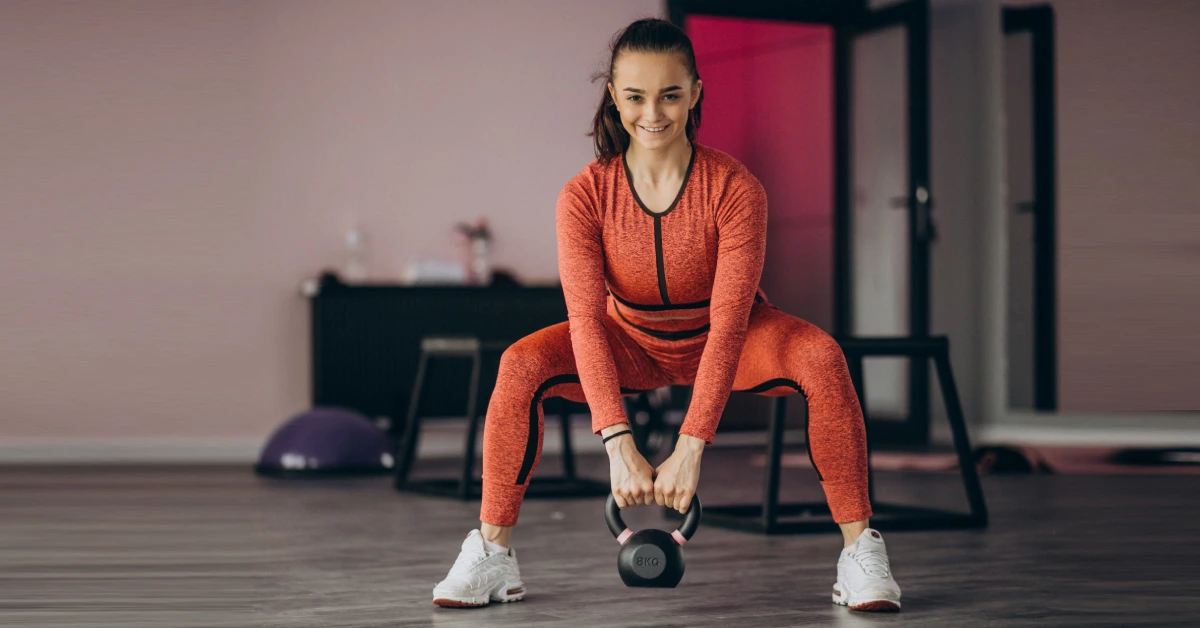
Imagine lacing up your sneakers not because you have to, but because skipping a workout feels worse than missing your morning coffee. That’s the magic of becoming addicted to working out—in a good way. In 2025, with nearly 96 million Americans vowing to prioritize fitness as their top New Year’s resolution, building a love for exercise isn’t just trendy; it’s a smart move for your body and mind. Whether you’re a total beginner staring at dusty dumbbells or someone who’s tried (and quit) gym memberships before, these strategies will help you build a workout habit that sticks. We’ll dive into how to become addicted to working out with practical, science-backed tips tailored to today’s fast-paced world.
By the end, you’ll have a roadmap to turn sweat sessions into your favorite ritual. Ready to swap Netflix binges for endorphin highs?
Let’s get moving.
Why Becoming ‘Addicted’ to Exercise Changes Everything
First things first: What do we mean by “addicted” here? It’s not about obsessing over hours at the gym to the point of burnout. Positive workout addiction is that sweet spot where exercise boosts your mood, sharpens your focus, and becomes as routine as brushing your teeth. The perks? They’re huge.
Regular physical activity slashes your risk of heart disease, stroke, diabetes, and even dementia. It also amps up brain health, improving memory, thinking skills, and problem-solving while dialing down anxiety. In fact, just 150 minutes of moderate exercise a week—like brisk walks or light strength training—can keep you independent and energized as you age.
But here’s the 2025 twist: Fitness isn’t one-size-fits-all anymore. Trends like wearable tech that tracks your every step and AI apps customizing your routine make it easier than ever to stay hooked. Even short bursts count—even five minutes a day can cut dementia risk in older adults. So, if you’re wondering how to build a workout habit that lasts, it’s about smart, enjoyable moves that fit your life. And trust us: Once those endorphins kick in, you’ll crave more.
Top 8 Tips to Make Workouts Your New Obsession
Ditching the “I’ll start Monday” mindset starts with small, doable steps. These eight tips, pulled from the latest fitness motivation research and 2025 trends, focus on consistency over intensity. Think of them as your cheat code to exercise routine tips that actually work.
1. Build Momentum with Tiny-Habits
Jumping into hour-long HIIT sessions? Recipe for quitting. Instead, ease in with bite-sized wins. Aim for 10-15 minutes a day of something simple, like a walk around the block or bodyweight squats while your coffee brews.
Why it works: Short sessions wire your brain for habit formation faster than sporadic marathons. Science shows consistent light exercise beats intense bursts for long-term adherence. Pro tip: Pair it with an existing routine, like stretching during your favorite podcast. Before you know it, those minutes stack into hours—and you’ll wonder how you ever skipped them.
2. Gamify Your Sweat into Playtime
Boredom kills motivation. Enter 2025’s gamification boom, where apps like Zwift or Peloton turn runs into virtual races with badges and leaderboards. Download a fitness tracker that dings you for hitting step goals, or join a challenge on Strava to compete with friends.
This isn’t kid stuff—it’s smart psychology. Rewards trigger dopamine hits, mimicking the “addiction” feel without the downsides. One user shared on a fitness forum how earning virtual trophies kept her moving through winter blues. Find your fun factor, and workouts become less chore, more game.
3. Schedule It Like a Non-Negotiable Appointment
Your calendar isn’t just for meetings—it’s for movement. Block out workout slots like doctor’s visits, picking times that sync with your energy peaks (mornings for some, evenings for night owls).
In 2025, hybrid work schedules will make this easier. Treat it as sacred: Prep your gear the night before. If life derails you, have a “minimum viable workout” backup, like a 5-minute yoga flow. Consistency breeds craving—soon, an empty slot will bug you more than a missed email.
4. Leverage Tech: Track and Tweak with AI Smarts
Gone are the days of guesswork. Wearables like the Apple Watch or Whoop now use AI to analyze your sleep, stress, and recovery, suggesting personalized tweaks. Log your sessions in an app, and watch progress charts light up your “why.”
Data doesn’t lie: Seeing improvements—like shaving seconds off your mile—fuels that positive addiction loop. Bonus: Many apps integrate with WHO’s physical activity guidelines for science-backed nudges. It’s like having a pocket coach cheering you on.
5. Sweat with a Side of Social Proof
Solo workouts? They work, but adding a partner skyrockets stickiness. Grab a friend for park runs or join online communities like Reddit’s r/Fitness for accountability check-ins.
Social ties amplify joy—shared laughs post-sweat release extra feel-good chemicals. In 2025, virtual group classes via Zoom are booming, blending connection with convenience. One study found that workout buddies cut dropout rates by 40%. Who’s your first recruit?
6. Prioritize Recovery as Part of the Addiction
Pushing through fatigue? That’s old-school thinking. Today’s trends spotlight recovery tools like foam rolling, meditation apps, or even cryotherapy pods. Aim for one rest day a week, filled with gentle walks or yoga.
Rest isn’t lazy—it’s essential. It prevents injury and keeps endorphins flowing sustainably. Cultivate a mindset shift: View recovery as recharging your workout battery. Tools like Headspace for guided sessions can tie it all together.
7. Hybrid and Low-Impact Vibes
Mix it up to stay hooked. Blend strength training (the reigning king of 2025) with low-impact cardio like swimming or e-biking—perfect for joints and beginners. Outdoor adventures, now trending at No. 13 globally, add fresh air bonuses.
Why hybrid? It keeps things exciting, reducing burnout risk. Try a sample routine:
| Day | Activity | Duration |
|---|---|---|
| Mon | Strength (weights) | 30 min |
| Wed | Low-impact walk | 20 min |
| Fri | Hybrid yoga flow | 25 min |
| Sun | Outdoor hike | 40 min |
This variety turns “exercise” into an adventure.
8. Wisely Celebrate Wins Without Sabotage
Pat yourself on the back—literally. After a solid week, treat yourself to new activewear or a massage, not junk food. Tie rewards to non-scale victories, like better sleep or more energy.
This builds positive associations, making your brain link sweat with satisfaction. Track in a journal: “Felt unstoppable after that run.” Over time, the real reward? Craving the high.
Dodge These Common Traps on Your Fitness Journey
Even pros slip. Watch for all-or-nothing thinking—if you miss a day, jump back in tomorrow, not next month. Ignore fad diets promising quick fixes; focus on sustainable joy. And if motivation dips, revisit your “why”—health, confidence, or just feeling alive.
For deeper dives, check our guide on the best home gym setups for beginners.
FAQs
How long does it take to build a workout habit?
On average, 66 days, but starting small speeds it up. Consistency trumps perfection.
Is it possible to get ‘addicted’ to exercise healthily?
Yes—focus on enjoyment and recovery to avoid overtraining.
What if I’m too busy for workouts?
Sneak in micro-moves: Desk stretches or stair climbs add up.
Can exercise really improve mental health?
Absolutely—it eases anxiety and boosts mood via endorphins.
What’s one 2025 trend every beginner should try?
AI-personalized apps for tailored plans.
Wrap It Up
Becoming addicted to working out isn’t about forcing it—it’s about discovering the rush that makes you want more. From micro-habits to gamified goals, these tips equip you to thrive in 2025’s fitness landscape. Picture this: A stronger body, sharper mind, and that unbeatable post-workout glow. You’ve got the tools; now lace up and claim it.
What’s your first step? Share in the comments, or dive into our ultimate guide to strength training for beginners. Your future self will thank you—let’s make sweat your superpower.