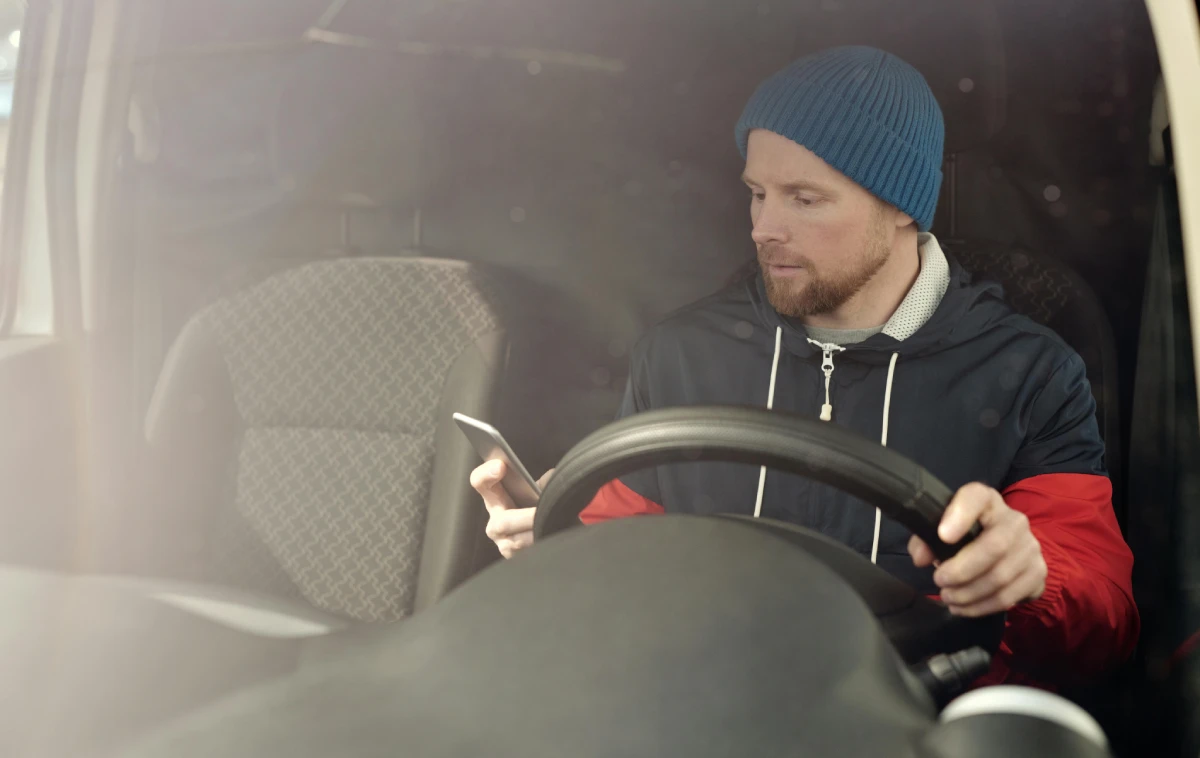
Distracted driving causes thousands of accidents across the US every day. Texting, phone calls, eating, and other distractions pull drivers’ attention from the road, often with serious consequences. If you’ve been injured in an accident caused by a distracted driver, you can hold that driver liable and seek compensation for your injuries.
Liability means proving the other driver was at fault and responsible for the damages. This requires evidence, proper documentation, and often legal representation. Here’s what you need to know.
Work With an Experienced Personal Injury Attorney
If you’ve been injured by a distracted driver, consult a personal injury lawyer who handles traffic accident cases. An attorney can review the facts, identify what evidence proves distraction, and build your case for liability.
Look for lawyers in your area with specific experience in distracted driving accidents. They understand how to obtain phone records, analyze police reports, and work with accident reconstruction experts when needed. Don’t settle your claim before speaking with an attorney—insurance companies often offer less than your case is worth.
Gather Evidence at the Scene
The evidence you collect immediately after the accident can determine whether you can prove the other driver was distracted.
At the scene, take these steps:
- Photograph vehicle damage from multiple angles
- Document road conditions, traffic signals, and skid marks
- Record the exact time and location
- Get contact information from the other driver and their insurance details
- Note anything you observed about the driver’s behavior
If the other driver was holding a phone or admits to texting, write down exactly what you saw or heard. These observations become critical evidence.
Identify and Contact Witnesses
Witnesses can confirm what the distracted driver was doing before and during the accident. Even if they didn’t see the collision itself, they may have noticed the driver texting, eating, or looking away from the road.
Get witness names and phone numbers while still at the scene. Follow up within a few days while their memory is fresh. Their statements to police or insurance investigators can support your liability claim.
If other drivers stopped or pedestrians saw what happened, don’t assume someone else will get their information. Collect it yourself.
Report the Accident and Seek Medical Care
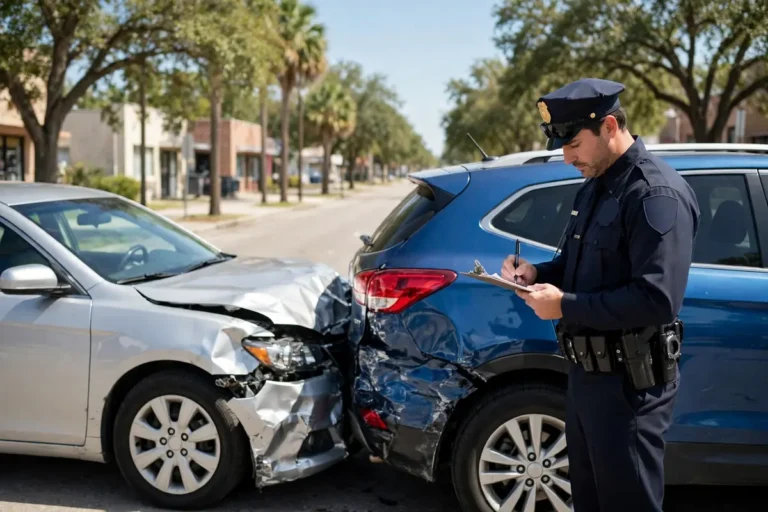
Call the police immediately, even for minor accidents. A police report documents the incident and may include the officer’s observations about distracted behavior or citations issued to the other driver.
Get medical attention right away if you’re injured. Medical records link your injuries directly to the accident, which is necessary to prove damages. Delaying treatment gives insurance companies an argument that your injuries weren’t serious or weren’t caused by the crash.
Report the accident to your insurance company as required by your policy, but avoid giving detailed statements or accepting settlement offers before consulting an attorney.
Stay Calm and Document Everything
After an accident, it’s natural to feel angry or upset. However, losing your temper at the scene can hurt your case later.
Stay calm when speaking with the other driver, police, and witnesses. Avoid admitting fault or apologizing, even if you’re just being polite. These statements can be used against you during the claims process.
Keep detailed records of everything related to the accident: medical bills, repair estimates, missed work days, and all communications with insurance companies. This documentation proves the full extent of your damages when seeking compensation.
Understand Your Right to Compensation
Many accident victims hesitate to pursue legal claims because they don’t want to seem aggressive. However, if a distracted driver caused your injuries, you have every right to seek compensation.
You may be entitled to reimbursement for:
- Medical expenses and future treatment costs
- Lost wages and reduced earning capacity
- Vehicle repairs or replacement
- Pain and suffering
- Other accident-related expenses
Insurance companies often make low initial offers, hoping you’ll accept quickly. An experienced attorney knows what your case is actually worth and will negotiate for full compensation. If you handle the claim yourself, you’re likely to receive far less than you deserve.
Holding a distracted driver liable requires evidence, documentation, and often legal representation. Don’t assume you have fewer rights than you actually do. By gathering evidence, working with an attorney, and understanding the claims process, you can pursue the compensation you deserve for your injuries.
Conclusion
Distracted driving accidents can leave lasting physical, financial, and emotional consequences. While the process of proving liability may seem overwhelming, taking the right steps early can significantly strengthen your claim. By preserving evidence, seeking prompt medical care, and working with a qualified personal injury attorney, you protect your rights and position yourself for a fair outcome. You should not bear the burden of injuries caused by someone else’s inattention. Holding a distracted driver accountable not only helps you recover compensation but also reinforces the importance of responsible driving for everyone on the road.