Let’s be honest: while we all know water is the gold standard for hydration, sometimes it’s just… boring. If the thought of another glass of tasteless H2O has you reaching for a sugary soda instead, you’re not alone. Many of us crave flavor, fizz, or a little kick without undoing our health goals.
The good news? You don’t have to choose between flavor and wellness. This guide is your roadmap to the world of healthy drinks besides water—options that are refreshing, satisfying, and genuinely good for you. We’ll explore the best low-calorie healthy drinks, highlight the pitfalls to avoid, and give you practical tips to make smarter choices every day.
Why Look Beyond Water? Understanding Your Goal
First, a crucial clarification: water is irreplaceable. This isn’t about substituting it entirely, but about finding healthy beverage alternatives for those moments when you want something different. The core goal is to stay hydrated and enjoy your drinks without consuming “empty” calories—especially from added sugars, which can spike your calorie intake without quenching your thirst.


Think of these alternatives as complements to your water intake, not replacements. They’re perfect for beating afternoon slumps, adding variety to meals, or satisfying a craving without guilt.
The 7 Best Healthy Drinks Besides Water
Here’s a deep dive into flavorful, hydrating options that deliver on taste and nutrition.
1. Seltzer or Sparkling Water: The Fizz Fix
Do you miss the carbonation of soda? Seltzer water or plain club soda is your perfect solution. It’s simply water infused with carbon dioxide, meaning zero calories and zero sugar.
- Make it gourmet: The beauty is in customization. Pour it over ice and add natural flavors:
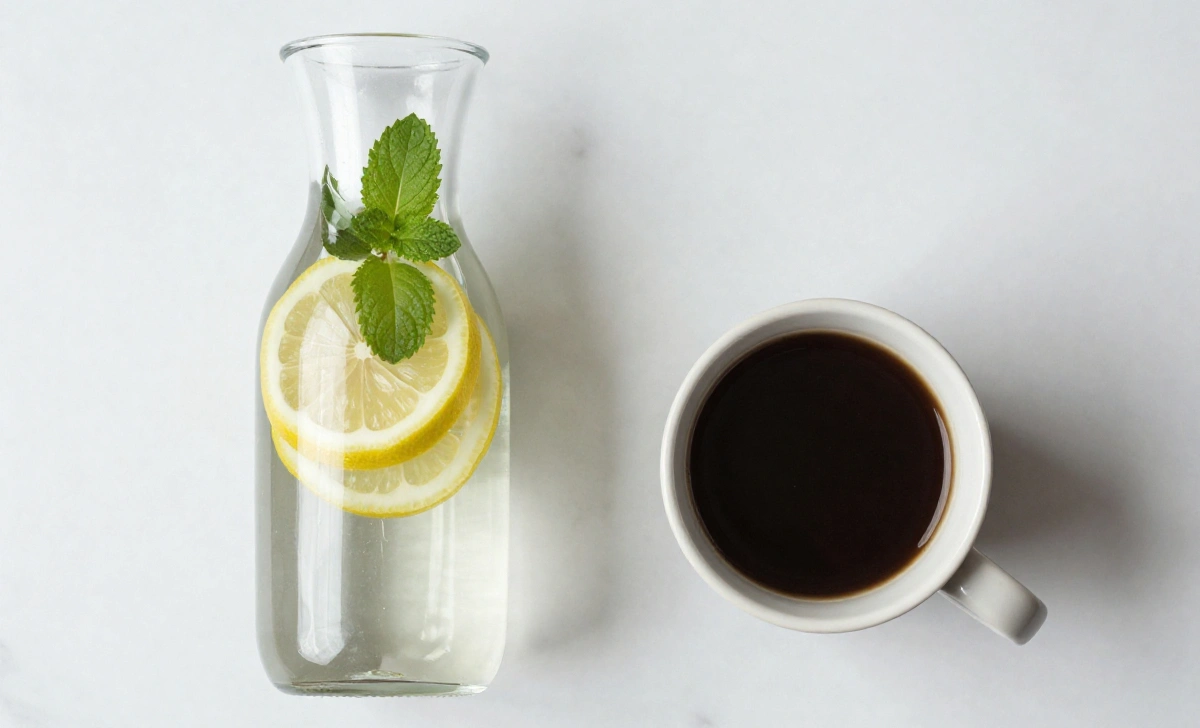
- Citrus Zing: Fresh lemon, lime, or orange slices.
- Cucumber Cool: A few cucumber ribbons for spa-like refreshment.
- Herbal Touch: Fresh mint, basil, or a sprig of lavender.
- Berry Boost: A handful of crushed raspberries or strawberries.
- Pro-Tip: For a hint of sweetness without the sugar shock, add a splash (about a quarter cup) of 100% fruit juice to a large glass. You get a fizzy, flavored drink for under 30 calories.
2. Sparkling Natural Mineral Water: Nature’s Soda
This is a step above standard seltzer. Sparkling natural mineral water comes from underground springs and contains naturally occurring minerals like calcium and magnesium, which support bone health and muscle function. The carbonation is natural, not artificially added.
- What to look for: Choose plain varieties. Some bottled brands have “added juice” or flavors that sneak in sugar. Always check the label. Your best bet is to buy plain and add your own fruit, as suggested above.
3. Tea (Hot or Iced): The Antioxidant Powerhouse
Warm or iced tea is a supremely soothing and versatile alternative. Brewing it yourself saves money and lets you control what’s in it.
- Green Tea: Offers a mild caffeine boost and is packed with antioxidants.
- Black Tea: A stronger flavor, also rich in antioxidants.
- Herbal Teas: Naturally caffeine-free. Options like chamomile (calming), peppermint (digestive), or ginger (spicy and settling) provide natural flavor without a need for sweeteners.
- Real-World Advice: If you crave something sweet after a meal, a cup of naturally sweet herbal tea like licorice or vanilla rooibos can hit the spot perfectly, helping you skip high-calorie desserts.
4. Coffee (Hot or Iced): More Than Just Caffeine
Like tea, plain black coffee is virtually calorie-free and loaded with antioxidants. The key is keeping it smart.
- Smart Customization: If black coffee isn’t your style, stir in a splash of skim milk, unsweetened almond milk, or oat milk.
- Coffee Shop Hack: The calories in cafe drinks come from syrup, sweetened milk, and whipped cream. Order a smaller size (an 8-oz “short”), opt for “skinny” or sugar-free syrups, use low-fat milk, and always say “no whip.” This can save you hundreds of calories.
5. Low-Calorie Alcoholic Drinks: Smart Social Sipping
Yes, you can enjoy a drink socially while being mindful of health. Alcohol itself is calorie-dense (7 calories per gram), so strategy is everything.
- Best Choices: Opt for drinks mixed with calorie-free mixers. A single shot of vodka or tequila with soda water and lime is a classic, low-calorie option.
- Sparkling Spiked Water: Many brands offer canned versions at around 100 calories each. An even cheaper trick? Spike your own seltzer with a splash of white wine or a clear spirit.
- Crucial Reminder: Alcohol is dehydrating. Follow the “one for one” rule: drink a full glass of water for every alcoholic beverage.
6. Coconut Water: Nature’s Sports Drink
Unsweetened coconut water is the clear liquid inside young coconuts (distinct from high-fat coconut milk). It’s a natural source of potassium and electrolytes, making it a fantastic sports drink alternative for rehydration after moderate exercise.
- Caveat: It does contain natural sugars and some calories, so it’s not a “free” drink. Enjoy it in moderation, specifically when you need electrolyte replenishment.
7. Kombucha: The Gut-Friendly Fizz
Kombucha is a fermented tea that has gained fame for its probiotics—the “good” bacteria that support gut health. It’s tangy, naturally fizzy, and satisfies a craving for a complex flavor. It often contains a small amount of sugar from the fermentation process, so check labels and enjoy it as an occasional treat, not a daily hydration staple.
5 Drinks to Avoid (The Healthy Drink Imposters)
Navigating the beverage aisle can be tricky. Here are the common culprits that masquerade as healthy choices.
- Fancy Coffee Drinks: That large caramel mocha frappuccino or creamy latte can pack 800+ calories and a staggering amount of sugar—sometimes equivalent to several candy bars. This turns a healthy habit into a dessert.
- Flavored Waters & Sports Drinks: Unless specified as “unsweetened,” these are often loaded with added sugar or artificial sweeteners. You’re better off infusing your own water. Reserve sports drinks for intense, prolonged athletic activity, not for casual sipping.
- Soda (Both Diet & Regular): Regular soda is liquid sugar. Diet soda, while calorie-free, contains artificial ingredients and sweeteners that may disrupt your body’s natural hunger signals for some people. The healthiest move is to break up with soda altogether.
- Energy Drinks: These are a cocktail of sugar, caffeine, and other stimulants. They lead to a harsh energy crash and can strain your heart and nervous system. For sustained energy, choose coffee, tea, or simply better sleep.
- Packaged Fruit Drinks & Smoothies: The word “fruit” on the label is deceptive. These products are often mostly water, sugar, and a tiny bit of juice concentrate. A bottled smoothie can contain 700 calories. Always choose 100% juice or, better yet, make your own, so you control the ingredients.
Your Superpower: How to Read Beverage Labels and Avoid Being Duped
This is the most practical skill you can learn. Food marketing uses words like “natural,” “made with real fruit,” “vitamin-packed,” and “coconut” to create a health halo. Don’t fall for it.
Here’s what to do, based on real experience:
- Check the Serving Size First: This is the #1 trap. A bottle that looks like a single serving may contain 2.5 servings. If you drink the whole thing, you must multiply all the numbers (calories, sugar) by 2.5.
- Scan the Sugars Line: Look for “Added Sugars.” The American Heart Association recommends no more than 25g (6 teaspoons) per day for women and 36g (9 teaspoons) for men. Many single-serving drinks exceed this.
- Read the Ingredients List: Ingredients are listed by weight, from most to least. If “sugar,” “high fructose corn syrup,” “cane syrup,” or “fruit juice concentrate” is in the first three ingredients, it’s primarily a sugar drink.
By taking these 30 seconds, you move from being a passive consumer to an informed one, ensuring your Healthy Drinks Besides Water is actually healthy.
The Final Sip
Hydration should be a pleasure, not a chore. By incorporating these low-calorie, flavorful alternatives into your routine and learning to spot the unhealthy imposter drinks, you can enjoy every sip while supporting your well-being.
Start simple. This week, try infusing a pitcher of water with lemon and cucumber, or swap your afternoon soda for a brisk glass of seltzer with a splash of cranberry juice. Small changes lead to lasting habits.
Disclaimer: The information provided in this article is for educational and informational purposes only and is not intended as medical or nutritional advice. Please consult with a healthcare professional, registered dietitian, or your physician before making any significant changes to your diet or beverage consumption, especially if you have underlying health conditions, allergies, or specific dietary requirements. The author and publisher are not responsible for any adverse effects resulting from the use or application of the information contained herein.