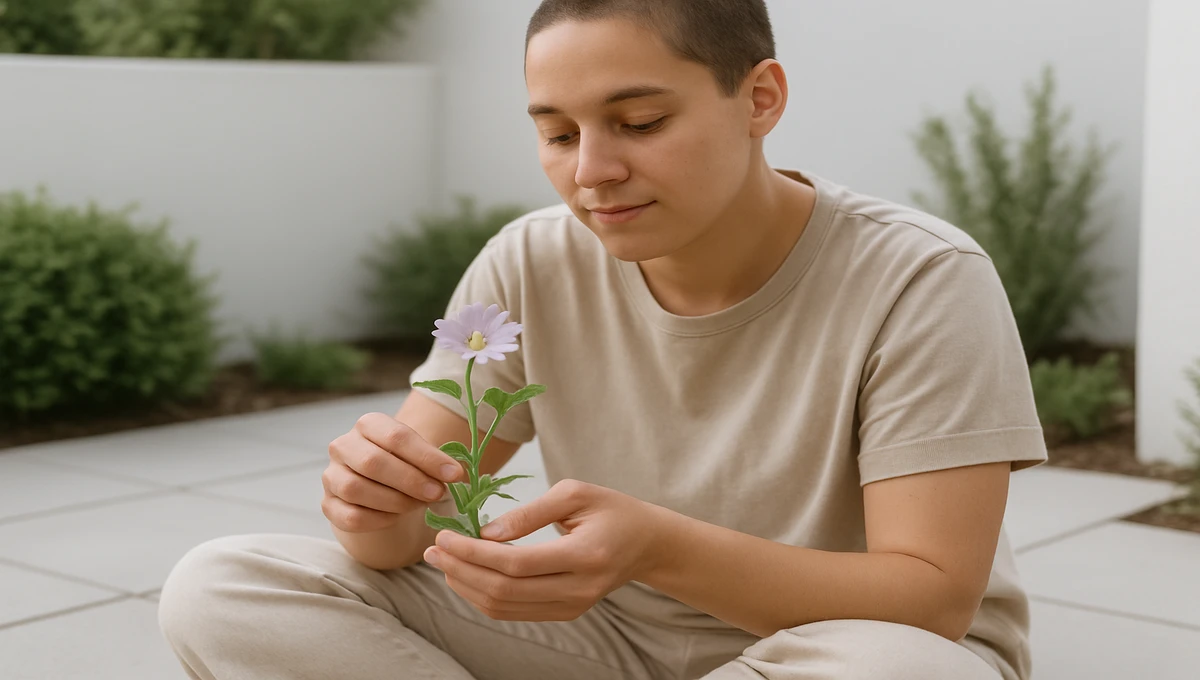
There’s a quiet magic in the soil. A simple, soul-deep satisfaction that comes from tucking a tiny seed into the earth and watching life unfold. In our fast-paced, digitally saturated world, the garden remains a sanctuary—a place where we can slow down, reconnect with the rhythms of nature, and nurture ourselves as much as our plants. This isn’t just a feeling; it’s a truth backed by science and felt in the hearts of gardeners everywhere. Embracing gardening for stress relief and better health is a beautiful, rewarding journey that allows you to live better, eat better, and feel better, right from your own patch of ground.
Why Gardening is the Ultimate Balm for Modern Life
Step outside your back door, and you enter a different world. The constant ping of notifications fades, replaced by the hum of bees and the rustle of leaves. Gardening actively engages all your senses, pulling you into the present moment—a core principle of mindfulness. This gentle focus is a powerful antidote to anxiety. The physical act of digging, planting, and weeding provides moderate, low-impact exercise, releasing endorphins, our body’s natural mood elevators. Furthermore, exposure to sunlight helps your body produce Vitamin D, and contact with soil microbes has been linked to improved immune function and even increased serotonin levels. The garden, it turns out, is a natural pharmacy.


What is Gardening for Wellness? Gardening for wellness is the intentional practice of using gardening activities to improve mental and physical health. It goes beyond just growing plants; it’s about creating a routine that reduces stress, provides gentle exercise, and connects you to a calming, natural environment.
From the Ground Up: Starting Your Wellness Garden
You don’t need acres of land or a green thumb to reap these rewards. A few containers on a sunny patio, a small raised bed, or even a dedicated windowsill herb garden is all you need to begin. The key is to start small, so it feels like a joy, not a chore.
- Choose a Sunny Spot: Most edible plants, like tomatoes and peppers, need at least six hours of direct sunlight.
- Prep Your Soil: Good soil is the foundation of a healthy garden. For in-ground beds, amend with compost. For containers, use a high-quality potting mix.
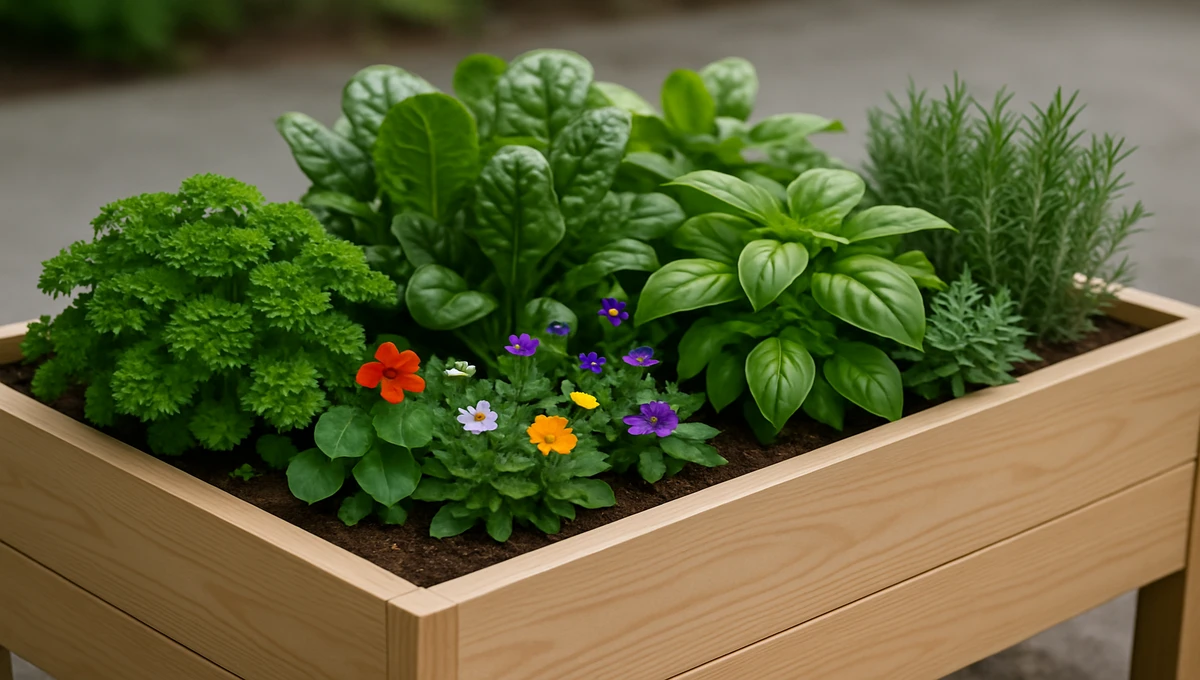
- Pick Plants You Love: Start with easy-to-grow plants that bring you happiness. Are you cooking more? Plant herbs like basil, rosemary, and mint. Want quick gratification? Try radishes or lettuce. Do you love color? Incorporate marigolds and zinnias, which are also great for pollinators.
How Gardening Nourishes Your Body and Your Plate
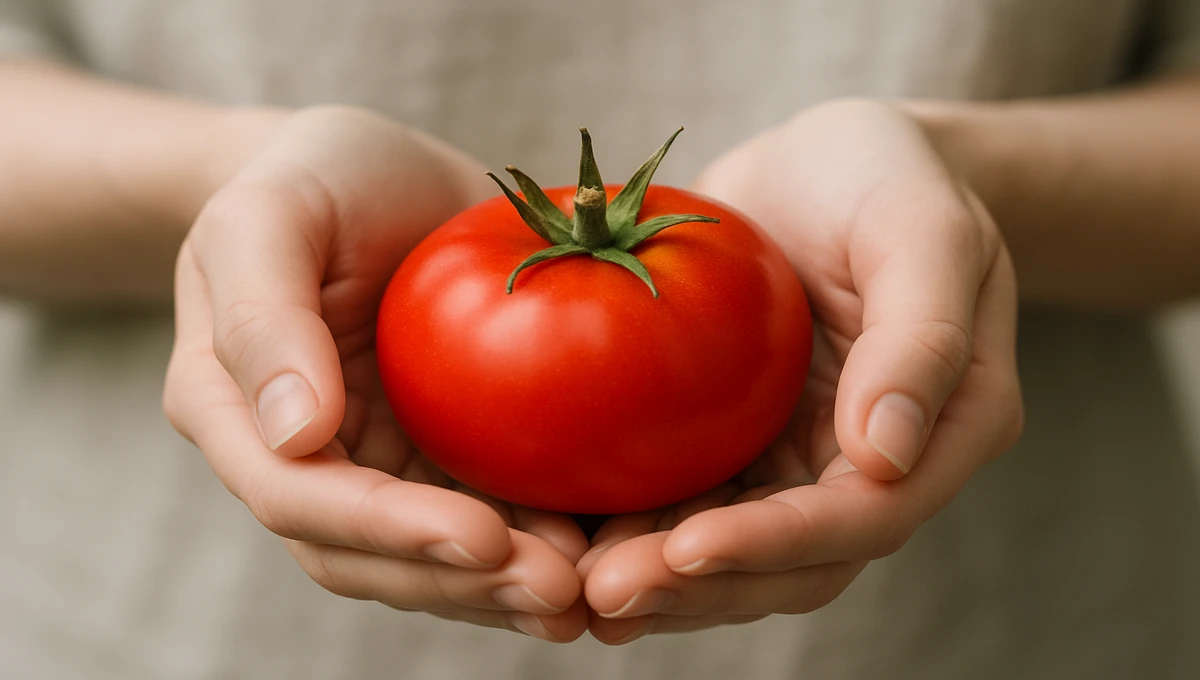
One of the most tangible benefits of gardening is the harvest. There is an undeniable connection between the food on your plate and the well-being in your body. Homegrown produce, picked at its peak, is bursting with flavor and nutrients that often surpass what you find in the grocery store. You have complete control over how your food is grown, allowing you to choose organic methods and avoid harmful pesticides.
This direct line from garden to table encourages a healthier diet. When you have a basket full of fresh-picked green beans, sun-warmed strawberries, or crisp cucumbers, you’re naturally inspired to create nutritious meals. It turns eating well from a discipline into a delightful celebration of your own hard work.
The Mindful Gardener: Cultivating Calm Among the Clover
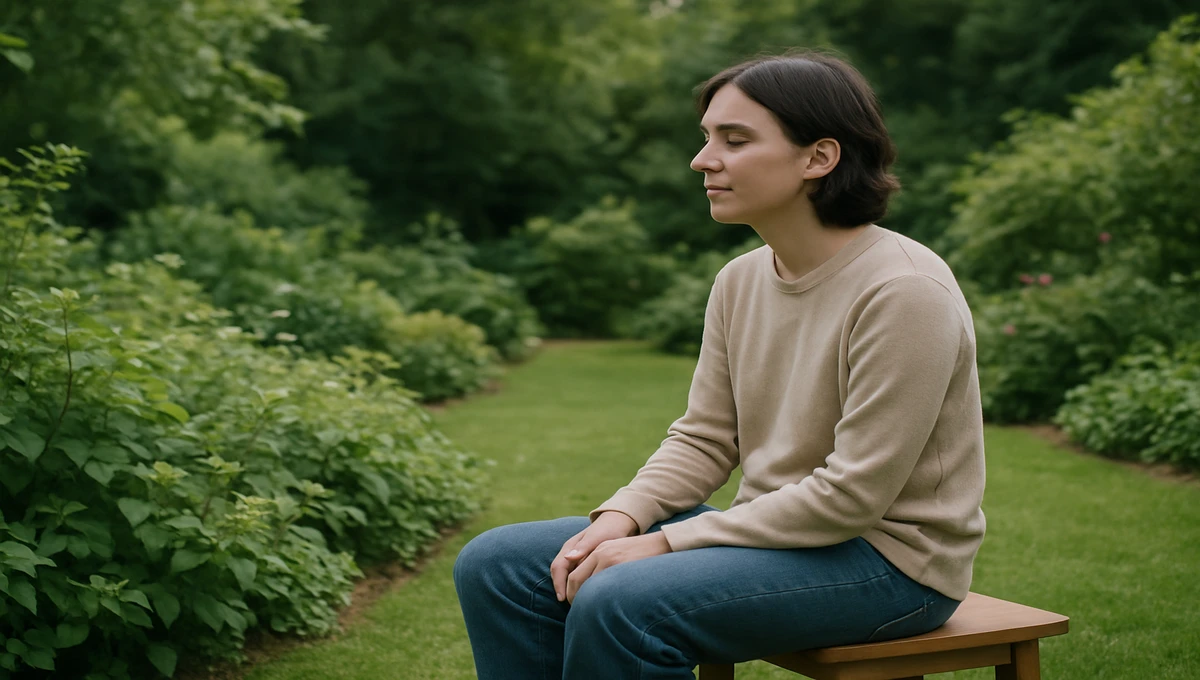
Beyond the physical harvest, the garden offers a profound mental harvest. The repetitive nature of tasks like weeding, watering, or deadheading flowers can be incredibly meditative. It gives your busy mind a chance to rest, focusing on the simple, rhythmic actions of your hands in the earth.
How can I use my garden for stress relief? To use your garden for stress relief, shift your focus from the outcome to the process. Don’t worry about perfection. Spend just 15-20 minutes weeding, feeling the soil, and observing the insects and birds. Breathe deeply. This mindful practice lowers cortisol levels, slows your heart rate, and can significantly reduce feelings of stress and overwhelm, leaving you feeling centered and refreshed.
Getting Started: A Simple, Stress-Free Plan
Feeling inspired? Here is a straightforward, scannable guide to launching your wellness garden this season. Follow these steps for a successful and enjoyable start.
- Find Your Sun: Watch your yard or balcony for a day to see which area gets the most consistent sunlight (6+ hours for veggies).
- Gather Supplies: You’ll need containers or a small bed, quality potting soil or garden soil, a trowel, a watering can, and your chosen plants or seeds.
- Plant with Care: Gently remove plants from their pots, loosen the roots, and place them in pre-dug holes. For seeds, follow the packet instructions for depth and spacing.
- Water Gently: Give your new plants a deep, gentle drink to help them settle in. The goal is consistently moist, not soggy, soil.
- Make it a Ritual: Visit your garden daily, even for five minutes. Check the soil, notice new growth, and simply enjoy being there.
Useful Insights for a Flourishing Garden and a Flourishing You
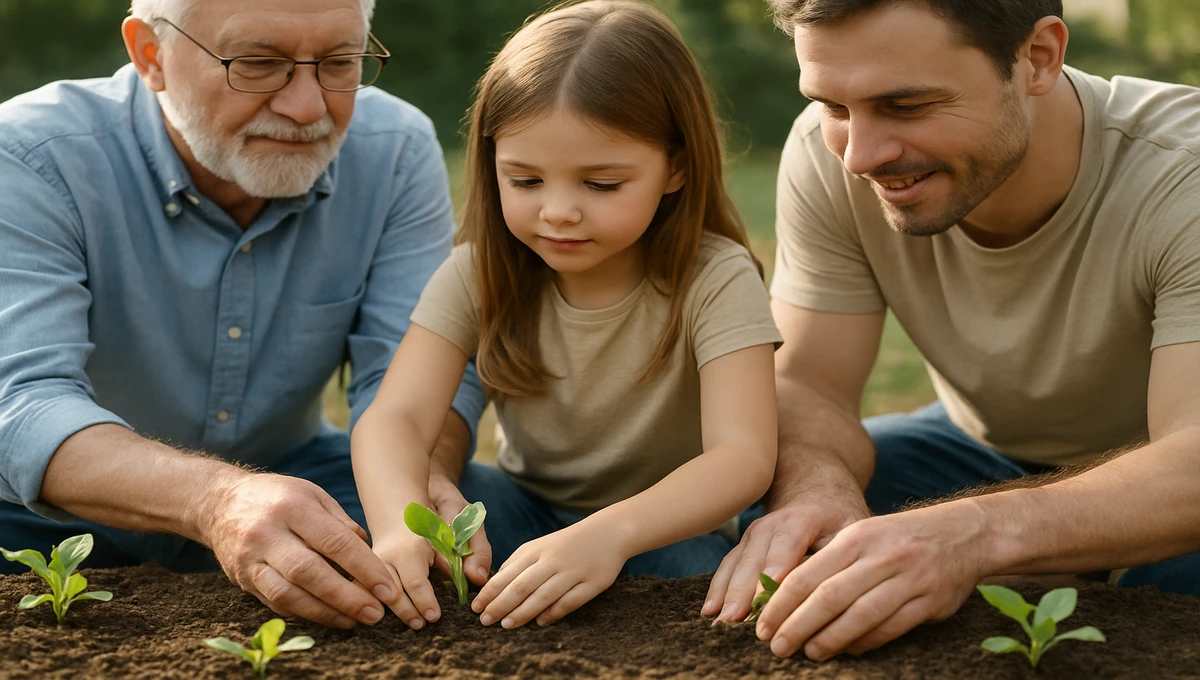
Gardening is a relationship, and like any good relationship, it thrives on patience and observation. Don’t be discouraged by setbacks; even the most experienced gardeners lose plants. See it as a learning experience. Invite family or friends to join you; sharing the work and the harvest doubles the joy. Create a comfortable spot to sit—a simple bench or chair—so you can truly bask in the environment you’ve created.
Your Gardening for Wellness Questions, Answered
I have very little space. What can I grow?
You have so many options! Herbs like basil, thyme, and chives thrive on a sunny windowsill. Cherry tomatoes, peppers, and lettuce are perfect for patio containers. You can even grow vertical gardens with trellises for peas, beans, or cucumbers.
I always forget to water my plants. Any tips?
Try the “finger test.” Stick your finger an inch into the soil. If it’s dry, it’s time to water. Consider self-watering planters or grouping pots together to create a slightly more humid microclimate. Making a quick daily check part of your morning coffee routine can also help.
Is gardening expensive to start?
It doesn’t have to be. Start small with a few packets of seeds and some basic pots. You can often find inexpensive containers at thrift stores or repurpose items from around your home. The key investment is good soil.
What are the easiest plants for a beginner?
For edibles, start with radishes, leafy greens like lettuce and kale, bush beans, and herbs. For flowers that are almost guaranteed to succeed, try marigolds, zinnias, and sunflowers.
How can I make my garden more of a retreat?
Add personal touches! A wind chime, a small water feature for the soothing sound of trickling water, or solar-powered fairy lights for the evening can transform your garden into a magical escape. It’s your space to design for peace.
Reap What You Sow: A Life Well-Lived
Gardening is far more than a hobby; it’s a lifelong practice in patience, hope, and well-being. It teaches us to find joy in the process, to appreciate small wonders, and to understand our place in the natural world. With every seed you sow and every weed you pull, you are not just cultivating plants—you are cultivating a healthier, happier, and more grounded life. So, go outside, get your hands dirty, and discover the profound healing power of the garden.