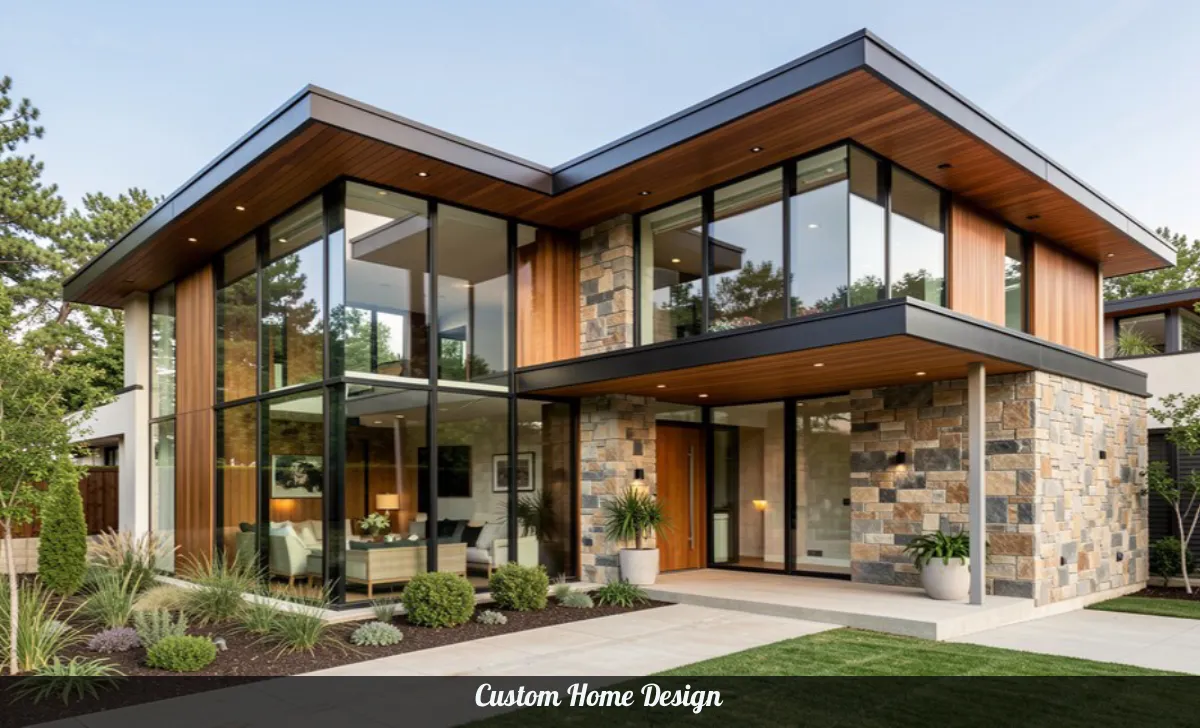
Designing a custom home lets you create a space that matches your specific needs and style preferences. Custom homes give you control over layout, materials, and finishes—whether you prefer clean modern lines or warm traditional details.
More people choose custom builds because they want homes that work for their lifestyles, not generic floor plans. You can combine current design trends with timeless features to create a space that feels distinctly yours.
Your design choices should support how you actually live. A well-planned home looks good and functions well, with spaces sized and positioned for daily activities. This planning stage determines whether your finished home feels comfortable or falls short.
Creative Design Decisions That Matter
Creativity in custom home design means making choices that set your space apart. You express this through material selections, room layouts, and architectural details that reflect your preferences.
New build homes give you the chance to influence every decision from foundation to finishes. Creative problem-solving helps you work within site constraints, budget limits, and building codes while still achieving the look you want.
Your design choices should solve practical problems. How will you move through the space? Where does natural light enter? How do rooms connect? Creative solutions address these questions while adding character.
Bringing Natural Elements Inside
Biophilic design connects indoor spaces to the outdoors through specific design strategies. You can improve how your home feels by maximizing natural light, adding plants, and choosing materials with organic textures.
Start with window placement. Larger windows bring in more daylight and create visual connections to your yard or surrounding landscape. Position windows to capture views and light without sacrificing privacy or energy efficiency.
Consider these approaches:
- Wood, stone, and other natural materials for floors and finishes
- Indoor plant areas or living walls
- Natural color palettes inspired by outdoor environments
These elements create calmer spaces that many people find more comfortable for extended periods.
Smart Home Systems and Automation
Smart home systems let you control lighting, temperature, security, and appliances from your phone or through voice commands. You decide which features matter most for your daily routine.
Common automation includes programmable thermostats, smart locks, automated lighting schedules, and security cameras that you can check remotely. These systems add convenience but require planning during construction to install wiring and infrastructure properly.
Automation works best when it solves specific problems. Do you forget to lock doors? Want to adjust the temperature before arriving home? Need to monitor entry points? Choose systems that address your actual needs rather than adding technology for its own sake.
Building With Sustainability in Mind
Sustainable building practices reduce energy costs and environmental impact through material choices and system design. Contemporary house design increasingly includes these features as they become more accessible and cost-effective.
Energy-efficient appliances, improved insulation, and high-performance windows lower monthly utility bills. Solar panels can reduce or eliminate electricity costs depending on your location and roof orientation. Rainwater collection systems provide water for landscaping in areas where this makes sense.
Sustainable materials like reclaimed wood, recycled metal, and responsibly sourced products offer durability and lower environmental impact. These choices often cost more upfront but provide value through longevity and reduced operating costs.
Matching Form and Function
Good home design requires both visual appeal and practical function. You need spaces that look the way you want and support your daily activities.
Room proportions matter. Ceilings that feel too low create discomfort. Spaces that are too large waste conditioning energy and feel empty. Work with your designer to establish room sizes that fit your furniture and intended uses.
Storage, traffic flow, and furniture placement all affect how well your home works. Plan these elements early. Where will you store seasonal items? How do you move from the garage to the kitchen with groceries? Can furniture fit through doorways and hallways?
Making Your Space Personal
Personal details transform a house into your home. Your color choices, furniture, artwork, and decorative items create the specific atmosphere you want.
Think about how you use each room. A reading area needs good light and comfortable seating. A kitchen designed for cooking needs counter space, quality appliances, and logical workflow between prep, cooking, and cleanup zones.
Personal touches include:
- Paint colors and finishes that match your style
- Custom built-ins for storage or display
- Lighting fixtures that provide function and visual interest
- Flooring materials that suit your maintenance preferences
You shape these spaces to match your life, not adapt your life to predetermined spaces.
Designing Your Custom Home
Creating a custom home means balancing your vision with practical realities. You’ll make hundreds of decisions about layout, materials, systems, and finishes.
Start by defining what you need versus what you want. List your non-negotiable requirements, then identify features you’d like if budget allows. Work with professionals who understand current building practices and can guide you through the process.
Your custom home should reflect how you live and what you value. Whether you prioritize energy efficiency, smart technology, natural materials, or personal style, design choices should support your specific goals. Take time during planning to get these foundational decisions right.