Your facility’s cleanroom standards directly affect product quality, regulatory compliance, and patient safety. In pharmaceuticals, healthcare, and electronics manufacturing, even microscopic particles can contaminate products, trigger recalls, and jeopardize lives. Cleanrooms—controlled environments designed to minimize pollutants—create the foundation for safe, effective manufacturing processes.
Non-compliance carries steep consequences. You face financial losses from product recalls, damage to your company’s reputation, and potential legal liability. In pharmaceutical manufacturing, contamination can compromise drug efficacy and harm patients. In electronics, particle contamination can cause product failures that cost millions in warranty claims and lost revenue.
Many cleanroom certification companies provide comprehensive services to help you establish and maintain compliance. These services include initial assessments, corrective action plans, validation testing, and ongoing monitoring to ensure your facility meets all requirements.
The stakes increase with each production cycle. Healthcare products manufactured in non-compliant environments can directly impact patient outcomes. Electronics components contaminated during production may fail in critical applications. You need rigorous cleanroom procedures not just for regulatory compliance—you need them to protect the people who depend on your products.
Understanding Cleanroom Certification Standards
Your cleanroom must meet standards established by organizations, including ISO (International Organization for Standardization) and GMP (Good Manufacturing Practice). These frameworks define acceptable particle counts, air quality parameters, and operational procedures for different cleanroom classifications.
ISO and GMP standards provide the baseline for certification. ISO 14644 specifies cleanroom classifications based on airborne particle concentrations. ISO 14698 addresses biocontamination control. GMP regulations, enforced by agencies like the FDA, establish manufacturing standards for pharmaceutical and medical device production.
The certification process begins with a comprehensive assessment of your facility. Auditors review your documentation, examine your procedures, and test your environment against applicable standards. They identify gaps between your current state and required compliance levels.
You’ll need to implement corrective actions for any deficiencies found during assessment. This might include upgrading filtration systems, revising cleaning protocols, or retraining personnel. Once corrections are complete, validators conduct verification testing to confirm your facility meets all criteria.
Certification isn’t permanent. You must maintain compliance through continuous monitoring and periodic audits. Standards evolve as technology advances and regulatory agencies update requirements. Your facility needs regular reassessment to ensure ongoing compliance with current standards.
Best Practices for Maintaining Cleanroom Standards
1. Implement strict attire protocols
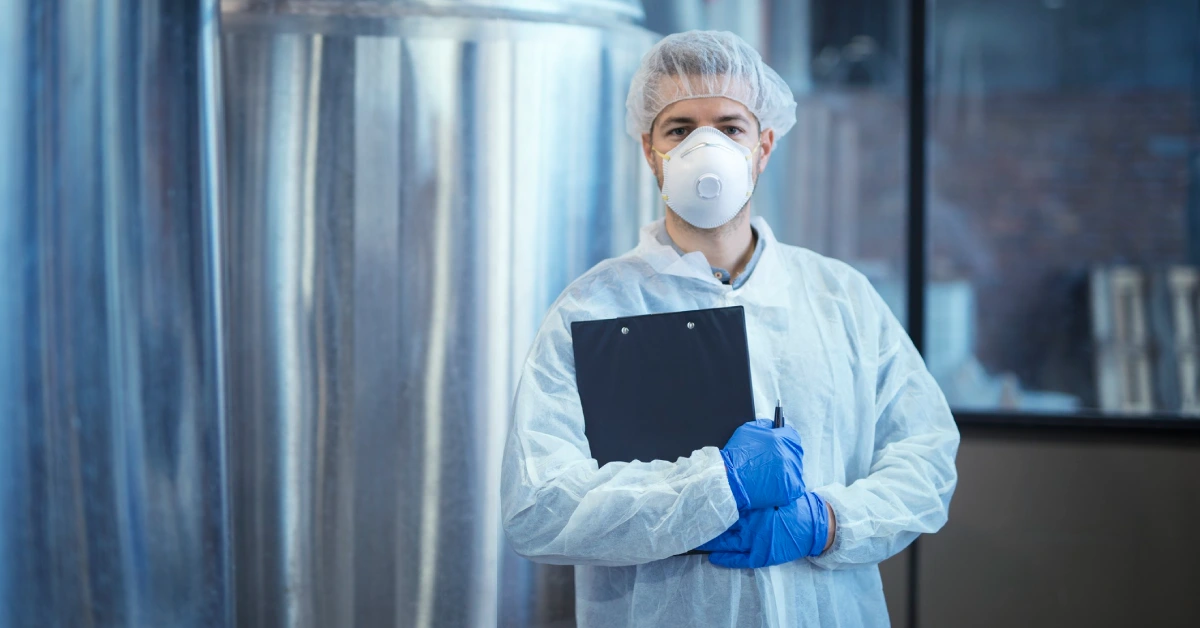
All personnel entering your cleanroom must wear appropriate protective equipment. This includes specialized gowns, masks, gloves, and shoe covers designed to prevent particle shedding. Human skin cells and clothing fibers represent major contamination sources—proper attire controls these risks.
2. Follow rigorous cleaning schedules
Your cleanroom requires more than routine janitorial service. Use cleaning agents and disinfectants specifically formulated for cleanroom environments. Standard cleaning products may leave residues or release particles that compromise air quality. Schedule cleaning activities based on your cleanroom classification and production requirements.
3. Install high-quality air filtration
Your HEPA (High-Efficiency Particulate Air) and ULPA (Ultra-Low Penetration Air) filters remove airborne particles that could contaminate products. HEPA filters capture 99.97% of particles 0.3 microns or larger. ULPA filters achieve even higher efficiency, removing 99.999% of particles 0.12 microns or larger. Choose filtration systems that meet or exceed your cleanroom classification requirements.
4. Train your staff continuously
Cleanroom procedures and standards change over time. Your personnel need regular training to stay current with the latest protocols, understand new equipment, and recognize contamination risks. Well-trained staff form your first line of defense against compliance violations. Include hands-on practice sessions and competency assessments in your training program.
5. Document everything
Maintain detailed records of all cleanroom activities, including cleaning schedules, equipment maintenance, personnel training, and test results. Documentation provides evidence of compliance during audits and helps you identify trends that might indicate developing problems.
The Role of Testing and Monitoring
Regular testing confirms your cleanroom maintains the required standards between audits. Particle count tests measure airborne particle concentrations at different locations and times. These tests verify your filtration systems work properly and your operational procedures don’t introduce excessive contamination.
- Microbial sampling detects biological contamination that particle counters miss. You collect samples from air, surfaces, and personnel to identify bacteria, fungi, and other microorganisms. Pharmaceutical and healthcare facilities must maintain extremely low microbial counts to prevent product contamination.
- Air quality monitoring tracks parameters including temperature, humidity, and differential pressure. These factors affect both cleanroom performance and product quality. Temperature and humidity outside specified ranges can compromise manufacturing processes. Differential pressure maintains directional airflow that prevents contaminated air from entering clean areas.
Continuous monitoring systems provide real-time data on cleanroom conditions. Automated sensors alert you immediately when parameters drift outside acceptable ranges. This enables quick response before conditions deteriorate enough to affect production or compromise compliance.
You should conduct comprehensive testing at regular intervals based on your cleanroom classification and regulatory requirements. Some facilities test daily, while others test weekly or monthly. High-risk environments like pharmaceutical manufacturing typically require more frequent testing than electronics assembly.
Staying with Technology and Regulations
Cleanroom technology continues advancing. New filtration materials, monitoring systems, and cleaning methods improve contamination control and reduce operational costs. Stay informed about these developments through industry publications and professional associations.
Regulatory requirements also evolve. Agencies update standards based on new research, emerging contaminants, and lessons learned from compliance failures. You need to monitor regulatory changes that affect your industry and adjust your procedures accordingly.
Consider joining professional organizations focused on cleanroom technology and contamination control. These groups provide training resources, industry networking, and updates on regulatory changes. They help you maintain compliance while improving operational efficiency.
Maintaining Long-Term Compliance
Cleanroom compliance demands ongoing attention and resources. You can’t achieve certification once and forget about it. Your facility needs continuous monitoring, regular testing, periodic audits, and immediate response to any deviations from standards.
Budget adequate resources for cleanroom maintenance. This includes personnel training, equipment calibration, consumable supplies, and testing services. Cutting corners on cleanroom maintenance risks product contamination, regulatory violations, and damage to your company’s reputation.
Build a culture of compliance throughout your organization. Everyone, from executives to production workers, must understand that cleanroom standards matter. Make compliance part of performance evaluations and recognize employees who maintain excellent standards.
Your investment in cleanroom compliance protects product quality, ensures regulatory compliance, and safeguards the people who use your products. Facilities that maintain rigorous standards avoid costly recalls, protect their reputation, and deliver consistent quality that builds customer trust.
Conclusion
By following established protocols, staying current with standards, and maintaining vigilant oversight, you create a cleanroom environment that meets regulatory requirements while supporting operational excellence. Your commitment to compliance demonstrates your dedication to quality and safety—values that ultimately define your success in industries where precision and purity matter most.