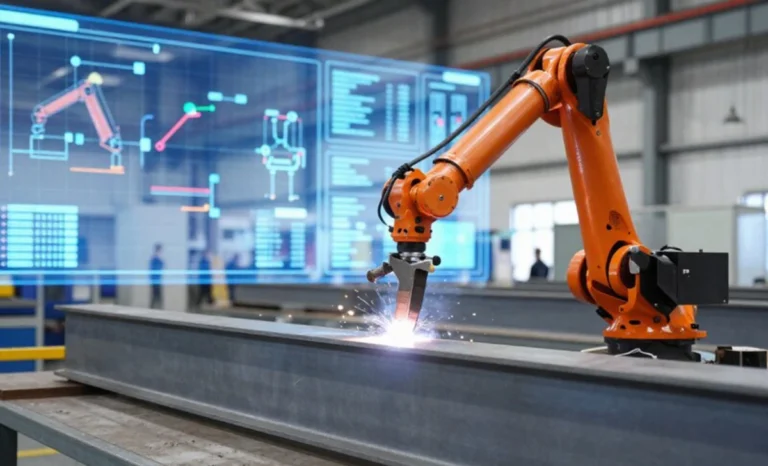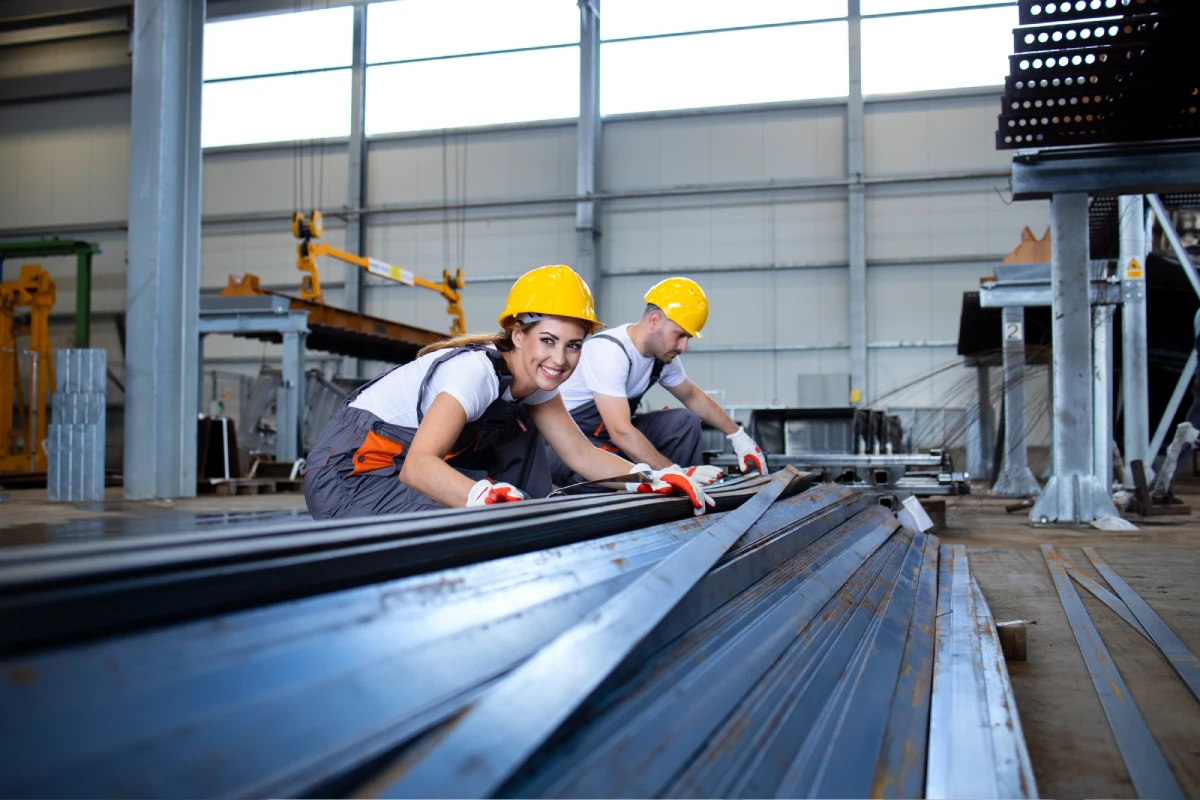
Sheet metal fabrication depends on precision equipment. Using the wrong tools leads to inaccurate cuts, wasted material, and slower production. Whether you’re cutting aluminum panels or forming stainless steel components, the right equipment directly affects quality and efficiency.
Here are ten practical tips for selecting sheet metal fabrication equipment that matches your specific requirements.
1. Required Designs
Start by identifying the designs and shapes you’ll create most often. Basic shearing machines handle straight cuts and simple shapes efficiently. For complex geometries, curves, or intricate patterns, you’ll need CNC laser cutters, waterjet systems, or turret punch presses.
Match the machine’s capabilities to your actual project needs rather than buying features you won’t use.
2. Metal Thickness
Different machines handle different metal gauges. A tool rated for 16-gauge steel won’t reliably cut 10-gauge material without damage or poor results.
Check the manufacturer’s specifications for minimum and maximum thickness capacity. Verify these limits match the range of materials you work with regularly. Pushing equipment beyond its rated capacity shortens tool life and compromises accuracy.
3. Production Volume
Your output requirements determine the machine tier you need. Small shops producing custom pieces can operate efficiently with manual or semi-automated equipment. High-volume manufacturers require fully automated systems with material handling capabilities and minimal downtime between operations.
Calculate your typical monthly output and projected growth. This helps you avoid buying undersized equipment that becomes a bottleneck as demand increases.
4. Budget
Price ranges vary widely across equipment types and manufacturers. Entry-level machines start around several thousand dollars, while industrial CNC systems can exceed six figures.
Balance upfront cost against long-term value. A cheaper machine requiring frequent repairs or producing inconsistent quality costs more over time than a reliable mid-range option. Factor in operating costs like power consumption, consumables, and maintenance when comparing prices.
5. Size and Weight
Physical footprint matters more than many buyers initially realize. Measure your available floor space before selecting equipment, accounting for material staging areas and operator clearance zones.
Heavier machines require reinforced floors and specialized installation. If you anticipate relocating equipment or rearranging your shop layout, consider portability in your decision.
6. Ease of Use
Complex controls and programming interfaces slow production and increase training time. Modern equipment should offer intuitive controls, clear displays, and logical workflow patterns.
Request demonstrations before purchasing. Have your actual operators test the machine if possible. The best technical specifications mean little if your team struggles with daily operation.
7. Safety Features
Sheet metal fabrication involves sharp edges, high temperatures, and moving parts. Essential safety features include emergency stops, light curtains, blade guards, and proper lockout/tagout capabilities.
Verify that equipment meets OSHA standards and relevant industry safety certifications. Additional features like automatic material clamping and enclosed work zones reduce accident risk further.
8. Maintenance and Repair
All machines require regular maintenance. The difference lies in frequency, complexity, and part availability.
Ask about routine maintenance schedules, typical wear part replacement intervals, and whether standard maintenance requires specialized technicians. Equipment with accessible components and readily available replacement parts minimizes downtime and reduces long-term operating costs.
9. Warranties and Guarantees
Manufacturer warranties protect your investment against defects and premature failure. Standard warranties typically cover one to three years, though some manufacturers offer extended coverage for additional cost.
Read warranty terms carefully. Understand what’s covered, what requires additional service contracts, and how warranty claims are processed. Strong warranty support indicates the manufacturer’s confidence in their product.
10. Customer Service and Support
Technical problems rarely happen during business hours. Access to responsive technical support minimizes production disruptions when issues arise.
Evaluate the manufacturer’s support infrastructure before buying. Do they offer phone support? What are their response times? Is training included with the purchase? Companies with established service networks and comprehensive support programs reduce risk when problems occur.
Conclusion
Choosing the right sheet metal fabrication equipment requires balancing capability, capacity, and cost against your specific production needs. Focus on machines that handle your typical projects efficiently while leaving room for growth. Prioritize quality, safety, and support over buying the cheapest option available.
The right equipment improves accuracy, increases throughput, and reduces material waste—making it a worthwhile investment that pays returns over years of reliable operation.
FAQs
What’s the most important factor when choosing sheet metal equipment?
Match the machine’s capabilities to your actual design requirements and metal thickness range. A machine that can’t handle your typical materials or patterns won’t deliver value regardless of other features.
How much should I budget for sheet metal fabrication equipment?
Budget depends on production volume and precision requirements. Small shops can start with equipment in the $5,000–$25,000 range, while high-volume operations may require $100,000+ for automated systems.
Do I need CNC equipment, or will manual machines work?
Manual machines work well for simple, low-volume production. CNC equipment becomes necessary when you need complex shapes, tight tolerances, or consistent high-volume output with minimal operator intervention.