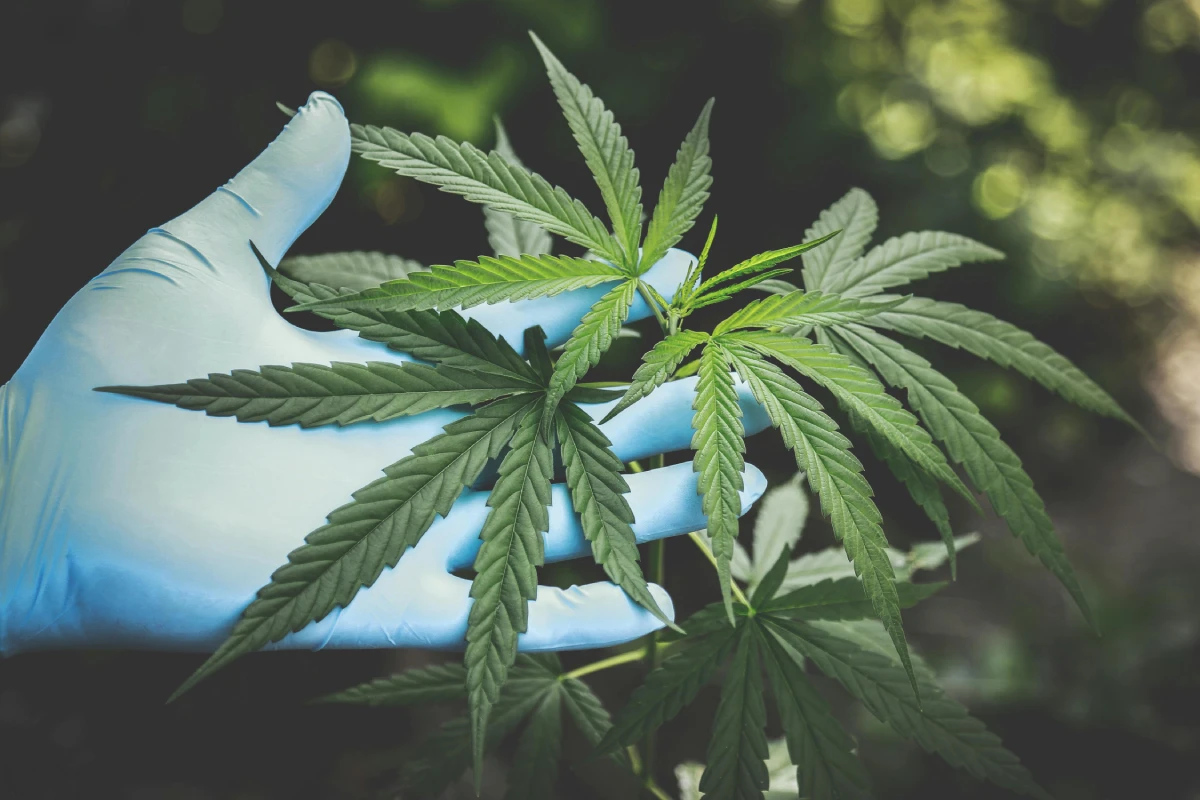
Cannabidiolic acid (CBDA) is the raw, acidic precursor to CBD found in living hemp and cannabis plants. Unlike CBD, which forms when the plant is heated or aged, CBDA exists naturally in the plant before any processing occurs. While CBD has dominated wellness conversations, researchers have begun exploring whether CBDA offers distinct benefits—particularly for anxiety and depression.
CBDA interacts with your body differently from CBD. Most notably, it shows a strong affinity for serotonin receptors, the same targets many antidepressant medications aim to influence. Serotonin, scientifically known as 5-hydroxytryptamine (5-HT), plays a crucial role in regulating mood, sleep, and emotional well-being. Low serotonin levels have been linked to depression and anxiety disorders.
How CBDA May Help Anxiety and Depression
Early research suggests CBDA may support mental health by influencing serotonin activity in your brain. CBDA binds to 5-HT1A receptors more effectively than CBD does, potentially helping regulate mood and reduce anxiety responses. This mechanism resembles how selective serotonin reuptake inhibitors (SSRIs) work—by increasing available serotonin in the brain.
Animal studies indicate CBDA may reduce stress-induced anxiety behaviors by inhibiting specific calcium channels in the amygdala, the brain region responsible for processing fear and anxiety. One pathway involves suppressing protein kinase C epsilon (PKCe), which regulates stress hormones like corticotropin-releasing factor (CRF). When PKCe activity decreases, anxiety-like responses appear to diminish.
Beyond serotonin interactions, CBDA inhibits the COX-2 enzyme, which plays a role in inflammation. Since inflammation has been associated with mood disorders, this anti-inflammatory effect may contribute to CBDA’s potential mood-regulating properties.
Other Potential Benefits of CBDA
Research into CBDA extends beyond mental health. Studies suggest it may help reduce nausea and vomiting, possibly at lower doses than CBD. This makes CBDA particularly interesting for conditions where nausea accompanies anxiety or depression.
Some laboratory research has examined CBDA’s effects on breast cancer cell lines, specifically MDA-MB-231 cells. These studies found that CBDA appeared to inhibit cancer cell migration and suppress COX-2 expression in these cells. However, these findings come from controlled laboratory conditions and don’t translate directly to cancer treatment in humans.
Limited research has also explored CBDA for seizure disorders. While some studies show promise, the evidence remains preliminary compared to the more established research on CBD for epilepsy.
Understanding CBDA’s Limitations and Safety
CBDA research is still in its early stages. Most studies have been conducted in laboratory settings or with animal models rather than large-scale human trials. The compound shows potential, but you should approach claims about CBDA’s effectiveness with realistic expectations.
CBDA is generally well-tolerated in the limited human studies conducted so far. However, it’s not accurate to call any substance “entirely safe” for everyone. Individual responses vary, and CBDA may interact with certain medications—particularly those that affect serotonin levels or are metabolized by the liver.
If you’re considering CBDA for anxiety or depression, consult with your healthcare provider first. This is especially important if you currently take antidepressants, anti-anxiety medications, or have underlying health conditions. CBDA should complement, not replace, established mental health treatments.
CBDA products are available without a prescription in various forms, including oils and capsules. Quality and potency can vary significantly between products since CBDA degrades into CBD when exposed to heat or light. Look for products with third-party testing that confirm CBDA content and purity.
Moving Forward with CBDA
CBDA represents an emerging area of cannabis research with particular promise for anxiety and depression management. Its strong interaction with serotonin receptors and anti-inflammatory properties suggest mechanisms that could support mental health, but the current evidence comes primarily from animal studies and laboratory research.
You shouldn’t view CBDA as a proven treatment for anxiety or depression. The compound shows potential, but it lacks the extensive clinical testing that validates established treatments. If you struggle with mental health concerns, work with qualified healthcare providers who can recommend evidence-based approaches tailored to your situation.
That said, CBDA may serve as a complementary option for some people—particularly those interested in exploring cannabis-derived compounds beyond CBD. If you decide to try CBDA, start with low doses, choose reputable products with verified lab testing, and monitor how you respond. Keep your doctor informed, especially if you take medications that affect serotonin levels.
The field needs more human clinical trials to determine optimal dosing, long-term safety, and which conditions CBDA may genuinely help. As research progresses, you’ll have clearer guidance on whether CBDA deserves a place in mental health support strategies. Until then, approach it as an experimental option rather than a replacement for proven treatments.