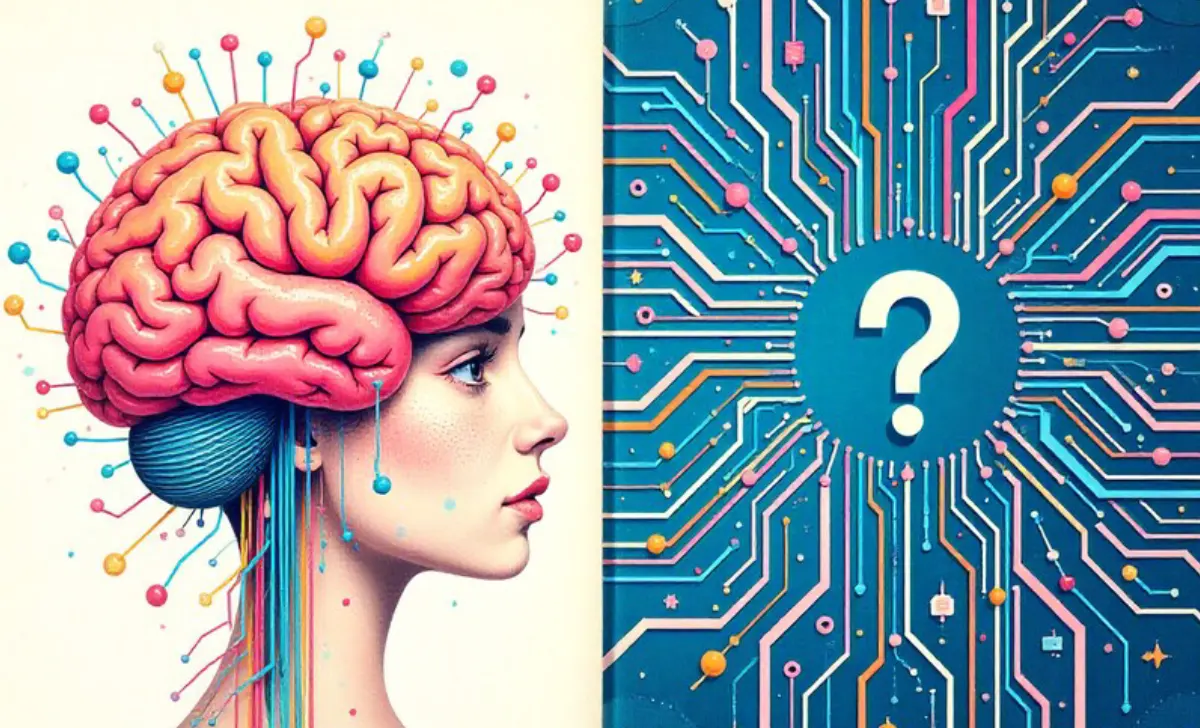
The relationship between humans and machines has always raised questions. From early calculators to advanced AI systems, we’ve watched machines process information, recognize patterns, and respond to commands with increasing sophistication. But can machines ever truly understand humans?
Understanding requires more than processing words or recognizing images. It involves empathy, context, emotions, and cultural awareness. These are things humans developed through evolution. Machines operate on algorithms, patterns, and datasets. This difference creates real limits on how well AI can grasp human feelings and intentions.
How AI Processes Human Behavior Today
AI has made significant progress in analyzing human behavior. Modern systems can analyze voices, detect emotions in text, and predict needs based on past interactions. Customer service platforms now handle complex queries and adjust their tone to sound helpful.


Natural Language Processing (NLP) helps machines interpret language better than before. They understand some context, like telling the difference between “I’m feeling blue” as an emotion versus a literal color. Machine learning models improve by analyzing data, making conversations feel more natural.
But these systems still rely on probabilities and pattern matching. They don’t feel happiness or sadness. They recognize indicators of emotions and respond based on training data.
Why Human Behavior Challenges AI
Humans aren’t always rational. We use contradictions, cultural references, and personal history when we communicate. A joke that makes one person laugh might offend another. Sarcasm, irony, and humor require understanding beyond words. You need awareness of tone, context, and shared experience.
If someone says, “Great, another rainy day,” they might mean it sarcastically. A human catches this through voice tone or situation. A machine might read it as positive unless specifically trained otherwise.
AI struggles with implied meaning. When you tell a friend “I’m fine” in a certain tone, they know you’re not fine. Current AI systems miss these cues unless the frustration is explicit.
Emotional AI and Its Limits
Researchers are building Emotional AI to detect and respond to human emotions. These systems analyze facial expressions, vocal tones, and physiological signals like heart rate. The goal is to make interactions feel more natural.
A chatbot for a website might detect frustration in your tone and adjust its approach. This would improve customer service. But the machine simulates empathy rather than experiencing it.
This distinction matters in practice. Emotional AI can identify that you sound upset. It can’t understand why that particular situation upsets you based on your life experience.
The Data Problem
AI learns from data. Its understanding depends on the quality and diversity of that data. An AI trained only on one cultural dataset has limited understanding outside that scope. Humans adapt to new situations quickly without retraining.
AI can’t inherently grasp moral values, ethics, or social norms. It follows programmed guidelines but doesn’t understand the reasoning behind them. This is why AI sometimes produces inappropriate responses. It lacks the moral judgment humans develop through experience.
The Question of Consciousness
Scientists and philosophers disagree on whether machines could ever achieve true understanding. Some believe advanced neural networks and quantum computing might eventually mimic human understanding so well that the difference becomes irrelevant. Others argue that without consciousness, machines will always simulate rather than understand.
The Turing Test suggests that if a machine’s responses match a human’s, it can be considered intelligent. But passing this test doesn’t prove understanding. It proves successful imitation.
Current AI has no subjective experience. When you feel pain, you don’t just process signals. You experience suffering. Machines process signals without experience.
What This Means for You
AI will keep improving at interpreting emotions and making conversations feel natural. The line between human and machine interaction will blur. Not because machines gain empathy, but because they’ll mimic it convincingly enough for most purposes.
You already see this in virtual assistants that remember your preferences and adjust their responses. These feel personal but operate on pattern recognition.
The practical question isn’t whether machines truly understand you. It’s whether they respond appropriately to your needs. If AI solves your problems and makes tasks easier, functional understanding may be enough.
The Partnership Ahead
Machines may never feel joy or sorrow. But they can respond in ways that respect and support human emotions. The future likely involves partnership. Humans bring genuine understanding and creativity. Machines provide precision, speed, and consistency.
This combination works when we recognize each system’s strengths. You bring contextual judgment and ethical reasoning. AI brings processing power and pattern recognition across massive datasets. Together, these create tools that extend human capability without replacing human judgment.