
Key Takeaways
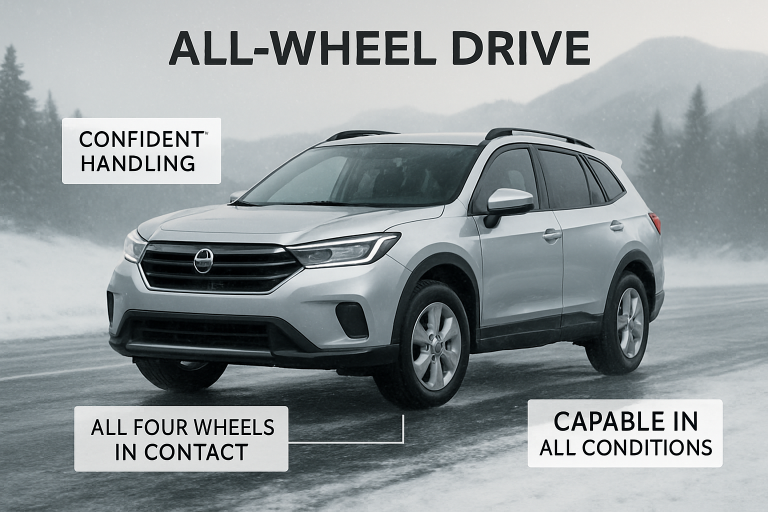
- Enhanced Traction: All-wheel drive vehicles offer superior grip on slick or unpredictable surfaces to keep you safe, no matter the weather.
- Improved Handling: Even power distribution between all four wheels improves acceleration, cornering, and stability on the road.
- Off-Road Capability: AWD lets you tackle tough terrains, making it ideal for outdoor enthusiasts and drivers in rural areas.
- Increased Safety: Better control and responsiveness lead to safer driving in emergency situations and everyday use.
- Higher Resale Value: The desirability and reliability of AWD vehicles often mean they retain value better than other drivetrains.
All-wheel drive (AWD) vehicles have become increasingly popular among drivers seeking enhanced control and versatility on the road. By distributing power to all four wheels, these vehicles provide improved traction and stability, making them well-suited for a variety of driving conditions, from wet or icy roads to light off-road terrain. This design can also contribute to a smoother driving experience, as the system automatically adjusts power based on wheel grip, reducing the likelihood of slipping or losing control.


For those curious about how AWD compares to traditional two-wheel drive systems, there are numerous resources available where you can learn more about the mechanics and benefits of these vehicles. Understanding how AWD impacts handling, fuel efficiency, and safety can help drivers make informed decisions when choosing a car that fits their needs. Exploring these details provides a more comprehensive understanding of why AWD continues to attract attention in the automotive world.
Enhanced Traction in Adverse Weather Conditions
The most significant reason many drivers opt for all-wheel drive is the boost in traction it provides during rain, snow, or icy conditions. Unlike two-wheel-drive configurations, AWD helps maintain grip on the road by sending power to all four wheels. This improves stability and reduces the likelihood of spinning out or losing control on slick surfaces. These benefits are particularly important for those living in regions with unpredictable or extreme weather. Recent guidance from major automotive publications underscores the value of AWD systems when safety in slippery conditions becomes a foremost concern.
Improved Handling and Stability
AWD improves handling not only in adverse weather but also on winding or uneven roads. By distributing power evenly, it minimizes understeer and oversteer, which occur when the front or rear tires, respectively, lose traction. The result is significantly better control, especially during sharp turns, quick lane changes, or rapid acceleration. Performance vehicles and family cars alike benefit from this technology, with luxury sports cars such as the Lamborghini Huracan Evo using advanced AWD for dynamic speed and control.
Off-Road Capability
AWD is not just for dealing with inclement weather. For adventure seekers and those regularly off the beaten path, the ability to drive over sandy trails, rocky paths, or muddy roads is crucial. AWD systems distribute torque to the wheels with the most grip, enabling the vehicle to conquer rough terrain effectively. This makes AWD vehicles attractive for outdoor recreation, camping, or simply for living in areas where unpaved roads are common.
Increased Safety
Beyond traction and handling, AWD contributes to a safer driving experience overall. In situations requiring sudden braking or evasive maneuvering, the increased stability provided by all-wheel drive can make all the difference. AWD works in conjunction with technologies such as traction control and electronic stability control to further reduce the risk of an accident, especially in emergency situations. Data from the National Highway Traffic Safety Administration (NHTSA) highlights the role of these advanced systems in reducing accident rates for certain all-wheel-drive vehicles.
Higher Resale Value
Another benefit to consider is resale value. Vehicles equipped with all-wheel drive are generally in higher demand, especially in areas with snow or a strong off-roading community. This desirability can translate into better long-term value for owners when the time comes to sell or trade in the vehicle. Dealers frequently note that AWD cars retain their value and often sell faster than similar two-wheel-drive models.
Who Should Choose AWD?
Drivers in Variable Climates
If you live in an area that experiences snow, heavy rainfall, or rapidly changing weather, all-wheel drive provides security and stability regardless of the conditions. Families and individuals alike can benefit from the additional peace of mind that comes with enhanced grip and safety.
Outdoor Enthusiasts or Rural Residents
Those who enjoy hiking, skiing, camping, or simply living outside city limits will find AWD indispensable, especially on unpaved or poorly maintained roads. Its versatility makes it a top choice for anyone who ventures beyond standard city driving.
Conclusion
All-wheel drive offers clear, measurable benefits for a wide range of drivers, including safety, performance, versatility, and long-term value. From tackling inclement weather to confidently handling off-road challenges, AWD vehicles are a worthwhile investment for many car buyers. For individuals seeking an option that adapts to different road conditions without compromising on comfort or stability, AWD stands out as an ideal choice.