Barcode technology has transformed from simple retail tools into powerful mobile features. Smartphones now make barcode scanning accessible to everyone, eliminating the need for specialized equipment.
This shift aligns with our mobile-first world. Users demand fast, efficient interactions, and smartphone cameras paired with scanning apps deliver exactly that.
Modern barcode technology bridges physical and digital experiences. From checking product details to managing inventory, mobile barcode scanning has become essential for consumers and businesses.


Understanding How Barcodes Work on Phones
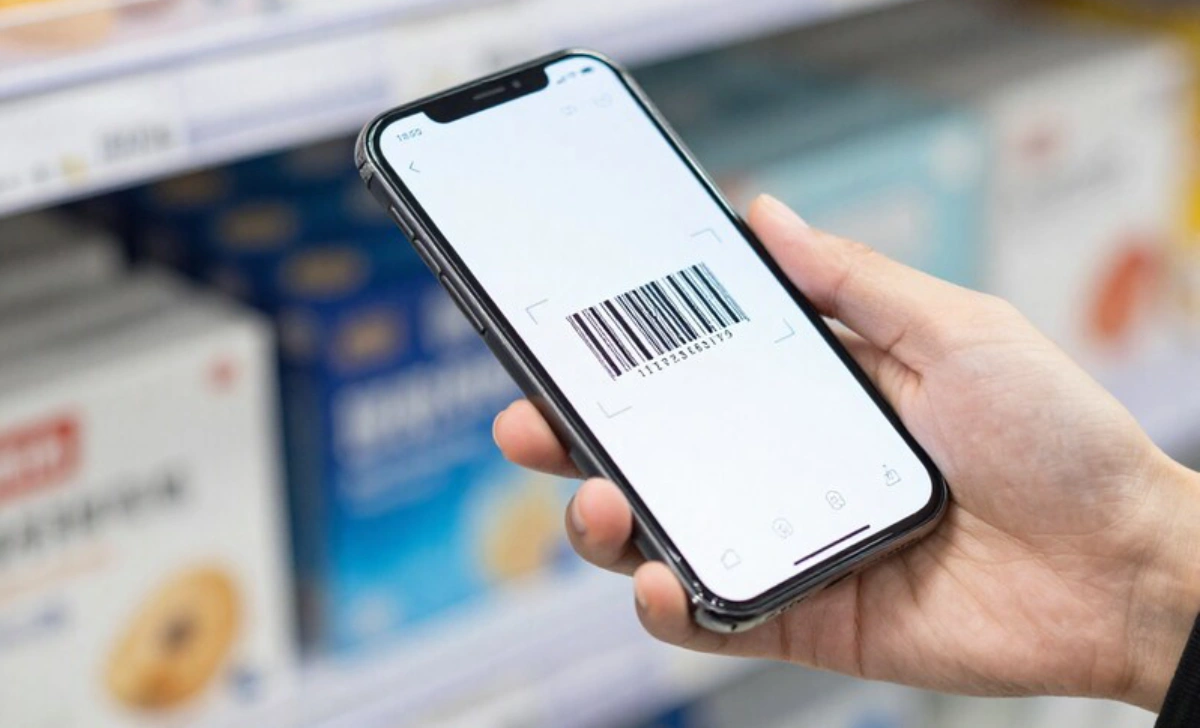
Smartphone barcode scanning relies on camera technology and image recognition software. Your phone’s camera captures the barcode image, while apps decode the information instantly.
Apps like Google Lens and Apple’s native camera include built-in barcode scanning. These tools read everything from simple linear barcodes to complex QR codes.
When you scan a product in a store, you get immediate access to reviews, price comparisons, and product details. This instant information helps you make better purchasing decisions.
Practical Applications of Barcodes in Daily Life
Barcode technology extends beyond mobile payments and checkout systems. Libraries use barcodes to manage collections efficiently, tracking books and streamlining circulation.
Event organizers rely on digital barcodes for ticketing. This eliminates paper waste and reduces administrative work.
Retail environments now offer self-checkout through mobile scanning. You can scan items with your phone, add them to a digital cart, and skip traditional checkout lines entirely.
Advantages of Smartphone-Based Barcode Systems
Smartphone barcode systems offer clear benefits. You access information quickly without carrying extra devices or memorizing instructions.
Your smartphone works anywhere, anytime. This flexibility makes barcode scanning practical for everyday use.
Digital barcodes also provide better security than traditional systems. Encrypted transactions reduce fraud and theft risks, building trust between businesses and consumers.
Challenges and Limitations of Mobile Barcode Usage
Mobile barcode scanning faces some practical challenges. Low light conditions or damaged barcodes can reduce scanning accuracy.
This becomes frustrating during busy shopping hours when speed matters most.
Compatibility issues also exist across different devices and operating systems. Performance varies depending on your phone model and software version.
The Future of Barcodes and Mobile Technology
Barcode technology continues to advance through QR codes and NFC tags. These innovations create more interactive and personalized user experiences.
AI integration promises to enhance barcode capabilities further. Smart systems could automate scanning based on your usage patterns.
Smart city concepts may use barcodes for real-time transit updates and other public services, creating more connected urban environments.
Real-World Examples of Mobile Barcode Implementation
Retailers use advanced barcode systems for inventory management and customer service. Real-time data tracking reduces costs and improves efficiency.
These implementations show how barcodes transform business operations. Companies that adopt these systems gain advantages in a digital economy where efficiency and satisfaction matter.
Healthcare and supply chain sectors also benefit significantly. Patient management becomes safer and more efficient through barcode integration.
Integrating Barcodes with AI and IoT
Combining barcodes with AI and IoT creates new opportunities for businesses. AI enables better data analysis, helping companies make informed decisions based on real-time information.
IoT extends these capabilities by connecting devices. This creates systems capable of operating and adjusting autonomously.
Healthcare facilities use these integrations for safer patient management. Supply chains benefit through improved logistics and tracking capabilities.
Conclusion
Barcode technology has proven its staying power in the mobile era. Smartphones have transformed barcodes from simple inventory tools into essential features that connect physical and digital experiences.
As mobile technology advances, barcodes will remain fundamental to daily interactions. Integration with AI, IoT, and other technologies will expand applications across industries.
The ongoing development of barcode technology promises greater efficiency and more personalized experiences. This ensures barcodes continue playing a vital role in how we interact with products and services.