Walk into any grocery store today, and you’re faced with thousands of choices. Low-fat this, high-protein that, organic, natural, grass-fed, free-range – the labels blur together, and honestly, it’s exhausting. I’ve been there, standing in the dairy aisle, wondering if full-fat Greek yogurt is going to help or hurt my health goals.
Here’s what I’ve learned after years of researching nutrition and talking with dietitians: healthy eating isn’t about perfection. It’s not about never eating dessert again or surviving on kale smoothies. It’s about understanding what your body needs and making small, sustainable changes that add up over time.
Let’s walk through the essentials of building a healthy Balanced Diet together, no judgment, no complicated rules, just practical information you can actually use.


Understanding Your Daily Nutritional Foundation
The Dairy Question: How Much Do You Really Need?
Remember those old milk mustache ads? They weren’t wrong about calcium being important, but the conversation around dairy has evolved significantly. Current research suggests that while dairy can be part of a healthy diet, it’s not mandatory, and the type matters tremendously.
What a balanced dairy intake looks like:
- 200 ml of milk (about one small glass)
- One small pot of yogurt (125-150 grams)
- A 30-gram serving of cheese (about the size of your thumb)
But here’s something nutritionists rarely mention: many adults have trouble digesting dairy comfortably. If you’ve ever felt bloated or uncomfortable after a latte, you’re not alone. Lactose intolerance affects approximately 65% of the global population.
Better options if dairy doesn’t agree with you:
- Skimmed or semi-skimmed milk (lower in saturated fat)
- Low-fat cheese varieties
- Greek yogurt (higher protein, often better tolerated)
- Lactose-free alternatives
Non-dairy calcium sources that actually work: Dark leafy greens like kale and collards pack a serious calcium punch. A cup of cooked kale provides about 177 mg of calcium. Sardines with bones (yes, you eat the bones) offer an impressive 325 mg per serving. Other solid options include dried figs, oranges, seaweed, beans, and fortified plant milks.
One reader recently asked me, “Do I really need to worry about calcium if I’m in my twenties?” The answer is yes, because your bones are like a retirement account. The calcium you bank now supports you later in life when bone density naturally decreases.
Protein: The Building Block Everyone Talks About
How Much Protein Do You Actually Need?
Walk into any gym, and you’ll hear protein this, protein that. But let’s cut through the noise. Protein is essential for energy, growth, and repair. It helps build everything from your muscles to your hair and nails.
Realistic protein portions look like:
- Palm-sized piece of chicken or fish (about 85-115 grams)
- Two eggs
- Three tablespoons of beans or chickpeas
- A small handful of nuts or seeds
The average sedentary adult needs about 0.8 grams of protein per kilogram of body weight. That’s roughly 55 grams daily for a 150-pound person. Active individuals need more, about 1.2 to 2 grams per kilogram, depending on activity level.
Animal Protein: Making Smarter Choices
Meat provides complete protein with all essential amino acids, plus iron and B vitamins. But not all meat is created equal. A study in the BMJ found that processed meat consumption correlates with higher mortality rates, while unprocessed red meat showed weaker associations.
Practical tips for meat lovers:
- Choose poultry like chicken and turkey breast more often
- Look for lean cuts of red meat (look for “loin” or “round” in the name)
- Trim visible fat before cooking
- Skip the creamy sauces and heavy gravies
- Boil eggs instead of frying them
- Use herbs and spices for flavor instead of high-calorie sauces
The Fish Factor: Why Oily Fish Deserves a Spot on Your Plate
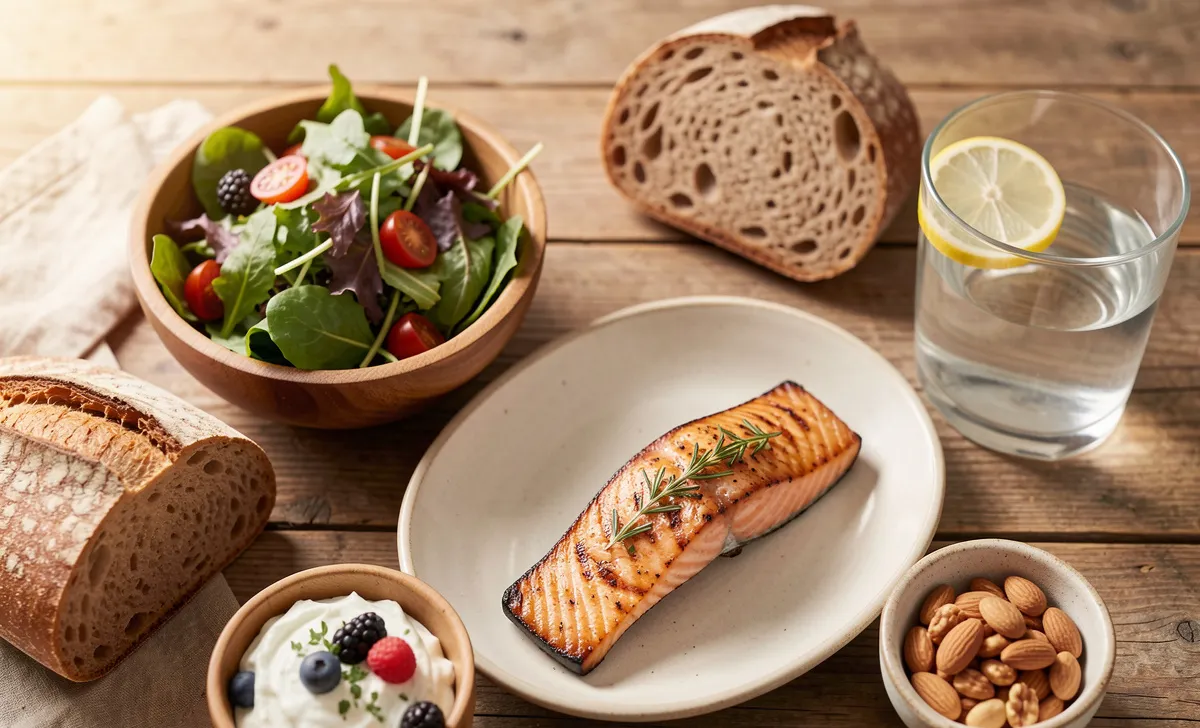
My grandmother swore by cod liver oil, and it turns out she was onto something. Oily fish contain omega-3 fatty acids, which research shows help reduce inflammation and may lower the risk of heart disease by decreasing triglycerides and slightly lowering blood pressure.
Oily fish worth incorporating:
- Salmon (wild-caught when possible)
- Herring
- Fresh tuna (not canned, which has lower omega-3s)
- Mackerel
- Sardines
- Swordfish (eat occasionally due to mercury concerns)
The American Heart Association recommends eating two servings of fish per week, with one being oily fish. A serving is about 3.5 ounces cooked, or roughly the size of a checkbook.
Plant Protein: Making It Work for You
Here’s something that confuses many new vegetarians: plant proteins are often incomplete, meaning they don’t contain all essential amino acids in the right balance. But your body is smart. You don’t need to eat complementary proteins at the same meal, just throughout the day.
If you’re not eating meat, fish, or eggs, combine these:
- Dairy products with grains (cereal with milk)
- Grains with beans (rice and beans, hummus with pita)
- Beans with seeds or nuts (bean salad with sunflower seeds)
Complete protein combinations that work:
- Baked beans on whole-grain toast
- Lentil dal with rice or chapati
- A baked potato with cheese and beans
- Whole-grain cereal with milk
- Peanut butter on whole wheat bread
One vegetarian friend told me she struggled with energy until she started paying attention to protein combining. Now she makes sure each meal includes at least two plant protein sources and feels better than ever.
The Red Meat Conversation We Need to Have
Let’s address the elephant in the room. Red meat includes beef, veal, pork, and lamb. Processed meat covers sausages, bacon, ham, deli meats, and meat-based ready meals. The World Health Organization classifies processed meat as a Group 1 carcinogen, meaning it definitely causes cancer, and red meat as Group 2A, probably carcinogenic.
What the research actually shows: A comprehensive review in the Journal of Internal Medicine found that high consumption of red and processed meat increases risk of:
- Bowel cancer
- Stroke
- Heart disease
- Type 2 diabetes
But here’s what rarely gets mentioned: eliminating meat can increase your risk of iron deficiency, especially for women with heavy periods. The key is moderation, not elimination.
Practical guidelines: Limit red and processed meat to no more than 70 grams per day, about the size of a deck of cards. Think of meat as a side dish rather than the main event. Use small amounts to flavor vegetable-heavy dishes like stir-fries, soups, and pasta sauces.
Sodium: The Silent Health Threat
Why Salt Deserves Your Attention
Salt makes food taste better. That’s why potato chips are nearly impossible to eat in moderation. But excessive sodium quietly raises blood pressure, forcing your heart to work harder and increasing your risk of heart disease and stroke.
The recommended limit is 6 grams of salt daily, about one teaspoon. The average American consumes closer to 8.5 grams.
Real ways to reduce salt without hating your food:
1. Cook with aromatics: Garlic, onions, shallots, and ginger add depth without sodium.
2. Experiment with herbs: Rosemary with roasted potatoes, cilantro with Mexican dishes, basil with tomatoes. Fresh herbs work magic.
3. Embrace spices: Cumin, coriander, smoked paprika, turmeric, and chili powder add complexity and heat.
4. Use acidic elements: Lemon juice, lime juice, and vinegar brighten flavors and reduce the need for salt.
5. Read labels carefully: “Reduced sodium” doesn’t mean low sodium. “No salt added” means exactly that: no salt during processing.
Foods hiding surprising amounts of salt:
- Packaged soups (one cup can have 800+ mg)
- Takeout meals
- Bread and rolls
- Cold cuts and cured meats
- Pizza
- Poultry (often injected with saline solution)
- Sandwiches
- Cheese
Fats: Rehabilitating a Misunderstood Nutrient
For decades, fat was the enemy. Low-fat cookies, fat-free dressings, skim everything. But we missed something important: fat keeps you full, helps absorb vitamins, and adds flavor. The problem isn’t fat itself, it’s the type and amount.
Understanding Different Fats
Saturated fats: Found in butter, cheese, red meat, and coconut oil. These should be limited because they can raise LDL cholesterol. The American Heart Association recommends keeping saturated fat to 5-6% of total calories.
Unsaturated fats: Your body’s friends. Found in olive oil, avocados, nuts, and fish. These support brain health and reduce inflammation.
Trans fats: The real villains. Found naturally in small amounts in meat and dairy, but artificial trans fats in fried foods, packaged snacks, and baked goods are harmful. They raise bad cholesterol while lowering good cholesterol.
Practical Fat Reduction That Doesn’t Feel Like Deprivation
- Change your cooking method: Grill, bake, steam, or air-fry instead of frying. The texture difference is smaller than you think.
- Measure oil, don’t pour: That glug-glug from the bottle can add 200+ calories. Use a teaspoon measure.
- Choose better spreads: Use avocado, hummus, or low-fat cream cheese instead of butter.
- Read baked goods labels: Pastries, cookies, cakes, and biscuits hide tremendous amounts of fat and sugar.
- Rethink cream: Plain Greek yogurt works beautifully in many recipes and sauces. Low-fat cream cheese can replace heavy cream in some dishes.
A client once told me she missed creamy pasta sauces. We tried a version with blended cottage cheese and garlic. She couldn’t tell the difference, and her family loved it.
Portion Sizes: The Missing Piece
You can eat the healthiest foods on earth, but if you eat too much, you’ll gain weight. Avocados are healthy, but one medium avocado has about 240 calories and 22 grams of fat. Nuts are nutritious, but a handful is about 160 calories.
Visual Portion Guides That Actually Work
- Vegetables: Fill half your plate. Eat as much as you want of non-starchy veggies.
- Protein: Palm-sized portion for women, two palms for men.
- Grains and starches: Cupped hand portion, about 1/2 to 1 cup cooked.
- Fats: Thumb-sized portion for oils and nut butters.
- Treats: Fingertip-sized portion for occasional indulgences.
Simple Portion Strategies
- Downsize your plates: Switching from 12-inch to 9-inch plates can reduce calories by 22% without feeling deprived.
- Pre-portion snacks: Never eat from the bag. Put chips, nuts, or crackers in a small bowl.
- Order smart: Restaurant portions are enormous. Order appetizer-sized or take half home immediately.
- Use your hand: Your hand travels with you everywhere and scales with your body size.
One reader shared that she lost 15 pounds just by using smaller plates and measuring portions for two months. No restrictive Balanced Diet, no expensive meal replacements, just awareness.
Building a Sustainable Healthy Eating Plan
Start Where You Are
If you currently eat fast food five times weekly, aiming for zero is unrealistic. Aim for four times, then three. Small, consistent changes beat dramatic overhauls every time.
Plan, But Don’t Obsess
Sunday meal planning prevents 5 PM desperation. But life happens. Have backup plans: frozen vegetables, canned beans, quick-cooking grains.
Listen to Your Body
Hunger is physical, emptiness, stomach growling, and low energy. Craving is emotional, stress, boredom, or habit. Learn the difference.
The Takeaway Trap
Takeout is designed to be addictive: salt, sugar, fat in perfect combinations. When you must order, try:
- Ordering a smaller size
- Adding a side salad or vegetables
- Asking for sauces on the side
- Splitting an entree
Making Healthy Eating Work in Real Life
The Grocery Store Strategy
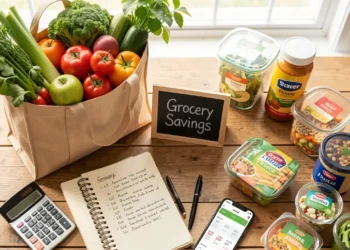
Shop the perimeter first: produce, meat, dairy. Spend less time in the middle aisles where processed foods live. Go with a list. Never shop hungry.
Cooking for One or Two
Batch cook on weekends. Freeze individual portions. Roast extra vegetables for tomorrow’s lunch. Use the same ingredients in different ways: roast chicken becomes chicken salad, then chicken soup.
Eating Well on a Budget
Canned beans, frozen vegetables, eggs, oats, and seasonal produce cost less. Buy whole chickens and cut them yourself. Stretch meat with beans and vegetables.
Social Situations
Bring a dish you can eat. Eat something light before parties. Focus on the company, not just food. One indulgent meal won’t derail you, and one healthy meal won’t save you.
Finding Support That Works for You
Many people find that having some structure helps them stay consistent. Meal delivery services can remove the decision fatigue of grocery shopping and meal planning. Services like Dinnerly focus on solid portions and whole ingredients at reasonable price points. If you’re interested, look for Dinnerly promo codes to try it at a reduced cost and see if having meals planned and portioned for you makes healthy eating easier to maintain.
The Bottom Line
Healthy eating isn’t about perfection or following rigid rules. It’s about understanding how different foods affect your body and making choices that support your health most of the time. Dairy in moderation, protein from varied sources, limited processed meat, reduced salt, smarter fats, and reasonable portions.
Start with one change this week. Maybe switch from white to whole-grain bread. Perhaps add an extra vegetable to dinner. Small steps lead to lasting habits. You don’t have to do everything at once.
Your body keeps score, and every healthy choice adds up. Be patient with yourself. This is a lifelong journey, not a 30-day challenge. You’ve got this.
Disclaimer: The information provided in this article is for general informational and educational purposes only and is not a substitute for professional medical advice, diagnosis, or treatment. Always seek the advice of your physician or other qualified health provider with any questions you may have regarding a medical condition or balanced diet changes.