
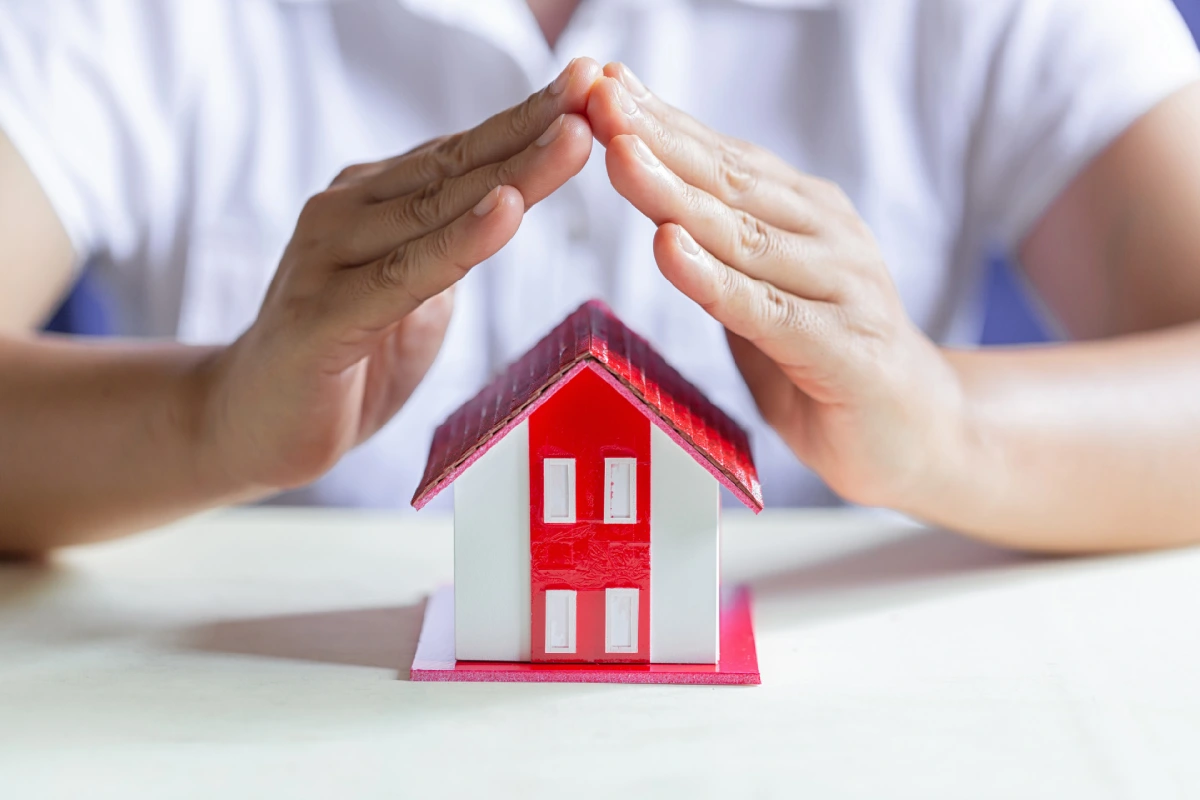
Keeping your home safe protects your family and belongings from break-ins and theft. While locking your doors is important, effective home security requires multiple layers of protection.
Here are seven proven ways to make your home safer in 2026.
Always Lock Your Door
About 40% of burglars enter through unlocked doors. Lock all external doors whenever you leave home or go to bed.
Homeowners insurance typically requires proof that you secured your property. If your doors were unlocked during a break-in, your claim may be denied. Check your policy to understand what security measures you need to maintain coverage.
Always Lock Your Windows
Windows are the second most common entry point for intruders. Ground-floor and easily accessible windows need extra attention.
Protect your windows by:
- Closing and locking all windows before leaving home
- Installing glass break sensors that trigger your alarm system
- Adding key-operated window locks for additional security
- Replacing weak or outdated latches with reinforced hardware
Even second-floor windows should stay locked if accessible via ladders, trees, or rooftops.
Light Up Your Home’s Exterior
Outdoor lighting discourages intruders by eliminating dark hiding spots around your property.
Focus on these high-risk areas:
- Front and back doors
- Side gates and pathways
- Driveways and garage entrances
- Basement windows and blind spots
Motion-sensor lights work best because they startle intruders and alert you to activity. Smart outdoor lighting can be controlled remotely and programmed to turn on automatically at sunset.
Install a Security System
Modern security systems provide real-time monitoring and instant alerts when something unusual happens.
Today’s smart systems include:
- Mobile app control from anywhere
- 24/7 professional monitoring options
- Integration with smart locks and cameras
- Emergency response coordination
Many systems now use wireless technology, making installation easier and more flexible than older wired setups.
Secure the Garage
Garages are common targets because they often contain valuable tools, vehicles, and direct access to your home.
Common garage vulnerabilities include:
- Weak or outdated locks
- Windows that reveal stored items
- Automatic openers that can be hacked
- Side doors left unlocked
Cover garage windows with frosted film or curtains. Install deadbolts on side doors and consider adding a separate alarm system. Never leave your garage door opener in your car, where thieves can access it.
Install Security Cameras
Visible cameras prevent break-ins and provide evidence if one occurs. Modern cameras offer features that weren’t available just a few years ago.
Look for cameras with:
- Motion detection and smart alerts
- Night vision or infrared capability
- Two-way audio communication
- Weather-resistant housing for outdoor use
- Cloud storage for footage backup
Place cameras at all entry points, including front and back doors, garage, and side gates. Doorbell cameras have become standard for front door monitoring and package theft prevention.
Use Smart Locks and Access Control
Smart locks add convenience while improving security. You can lock or unlock doors remotely, create temporary access codes for guests or service providers, and receive alerts when someone enters.
Choose smart locks that:
- Work with your existing deadbolt
- Offer backup key access
- Include auto-lock features
- Integrate with your security system
These locks eliminate the risk of lost keys and let you control access even when you’re away.
Conclusion
Home security works best when you combine multiple protective measures. Start with the basics—locked doors and windows—then add lighting, cameras, and smart technology based on your budget and needs.
The goal is to make your home a harder target than others in your neighborhood. Most burglars look for easy opportunities and move on when they encounter resistance.
FAQs
What’s the most important home security measure? Locking all doors and windows is the foundation. About 40% of break-ins happen through unlocked entries, making this the simplest and most effective step.
Do security cameras really prevent break-ins? Yes. Visible cameras act as strong deterrents. Studies show homes with cameras are significantly less likely to be targeted than those without.
Is professional monitoring worth the cost? Professional monitoring provides 24/7 response and can alert emergency services when you can’t. It’s particularly valuable if you travel frequently or have a large property.