Buying your own wind turbine tools makes sense if you’re planning to build, maintain, or repair small-scale wind energy systems. Whether you’re assembling turbine components or fabricating custom blades, understanding these tools helps you make informed decisions. Modern wind turbine equipment serves both DIY enthusiasts and professionals working on residential or small commercial installations.
Most tools designed for turbine work are built from durable materials like galvanized steel and zinc-plated metal. These materials resist corrosion and weather exposure, which matters when you’re working outdoors or storing equipment long-term.
Small Wind Turbines Can Power Multiple Devices
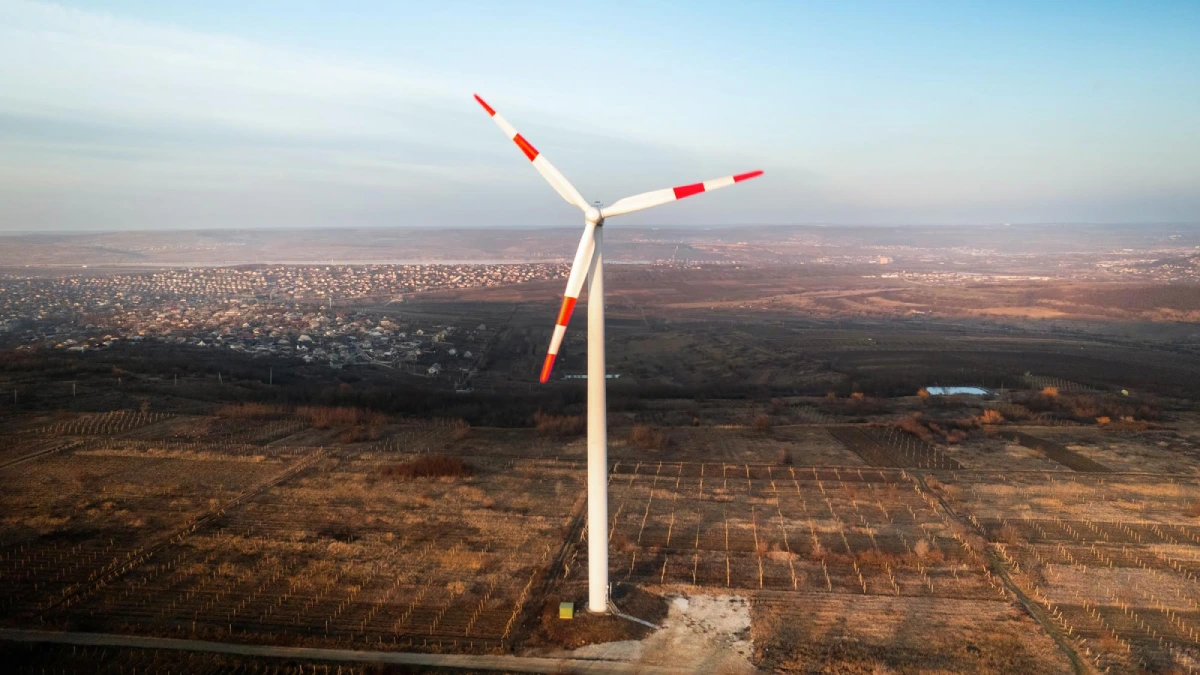
Many small wind turbines use a synchronous 3-phase generator that charges 12V battery systems. Once connected, these batteries can power laptops, phones, LED lights, and power tools. Mid-range turbines (typically 400W to 1kW) handle multiple devices simultaneously, while larger residential units (1.5kW to 10kW) can supplement or fully power a small home.
Installation typically requires mounting the turbine on a tower or pole at least 30 feet above ground level and 300 feet away from obstructions. You’ll need basic electrical knowledge to connect the turbine to a charge controller and battery bank.
Small turbines work best in areas with consistent wind speeds above 10 mph. Before purchasing, check your location’s average wind speed using online wind maps or local weather data. Without adequate wind, even the best turbine won’t generate meaningful power.
Powering Your Home with Wind Energy
A typical household uses 877 kWh per month, or about 29 kWh per day. A 5kW turbine in a location with average wind speeds of 12 mph can generate 400-900 kWh monthly, depending on conditions. That’s enough to offset a significant portion of your electricity bill.
However, wind doesn’t blow constantly. Most residential setups use wind turbines alongside solar panels and battery storage to ensure consistent power. Grid-tied systems let you sell excess power back to your utility, while off-grid systems require larger battery banks.
Installation costs matter too. Beyond the turbine itself, you’ll need a tower (usually 60-120 feet tall for optimal wind capture), a concrete foundation, a charge controller, an inverter, and potentially permitting fees. Total costs for a residential system range from $15,000 to $50,000, depending on size and location.
Materials Used in Wind Turbine Construction
Galvanized steel and zinc-plated steel dominate turbine hardware manufacturing. Galvanized steel undergoes hot-dip zinc coating, creating a thick protective layer that lasts decades even in harsh marine or industrial environments. Zinc-plated steel receives a thinner electroplated coating, which costs less but offers shorter corrosion protection.
Turbine towers, mounting brackets, and fasteners use galvanized steel because they face constant weather exposure. The zinc coating prevents rust, which matters when your equipment sits 100 feet in the air, where maintenance is difficult and expensive.
Blades themselves typically use fiberglass, carbon fiber, or reinforced plastic rather than metal. These materials balance strength with light weight, allowing blades to spin efficiently in lower wind speeds.
When buying turbine tools or components, verify material specifications. Some cheaper products use inadequate coatings that corrode within a few years, creating safety hazards and requiring premature replacement.
Professional Installation and Safety Considerations
Installing a wind turbine isn’t a simple weekend project. Most residential installations require crane services to lift the turbine and tower sections into place. Crane operators must be certified and experienced with wind turbine installations specifically.
Professional installers follow strict safety protocols. They inspect the site for underground utilities, establish clearance zones, and verify that the crane has a stable footing. The swing radius—the area where the crane’s boom can rotate—must be barricaded to prevent accidents.
Electrical work requires maintaining at least 10 feet of clearance from power lines. Many jurisdictions require licensed electricians to handle the final connections between your turbine, inverter, and home electrical panel.
Rigging equipment must be inspected before each use. Load charts help operators determine whether the crane can safely lift the turbine assembly’s weight at the required height. Mistakes during installation can result in equipment damage, injuries, or fatalities.
If you’re considering DIY installation, understand that most residential turbines weigh 500-2,000 pounds and require towers 60-120 feet tall. Without proper equipment and training, installation becomes extremely dangerous.
Why Wind Turbines Stop Generating Power
Wind turbines stall when conditions prevent the blades from spinning efficiently. This happens for several reasons.
Debris accumulation on blade surfaces disrupts airflow. Insects, dust, ice, or bird droppings change the blade’s aerodynamic profile, reducing efficiency by 20-50%. Some wind farms implement regular blade cleaning schedules to maintain performance.
Mechanical issues also cause stalling. A faulty yaw system prevents the turbine from facing into the wind. Brake systems might engage unexpectedly due to sensor errors. Bearings can seize if not properly lubricated.
Aerodynamic stall occurs when the wind speed drops too low or spikes too high. Below the cut-in speed (usually 6-9 mph), there isn’t enough force to overcome friction and start the blades spinning. Above the cut-out speed (typically 45-55 mph), turbines automatically brake to prevent damage from excessive forces.
Blade pitch angle matters too. If blades are angled too steeply relative to the wind direction, the lift force decreases dramatically. The turbine either spins too slowly to generate meaningful power or stops entirely.
Modern turbines include sensors that monitor wind speed, direction, blade angle, and vibration. When parameters fall outside safe operating ranges, the system automatically shuts down to prevent damage. While this protects your investment, it also means you won’t generate power during those periods.
Regular maintenance prevents many stalling issues. Annual inspections should include checking blade surfaces, testing the yaw mechanism, verifying brake function, and lubricating moving parts. Address problems immediately rather than waiting for complete failure.