
Are you itching to pick up a pencil and bring your ideas to life on paper? Pencil drawing techniques for beginners are the perfect way to start your artistic adventure. Whether you’re doodling during lunch breaks or dreaming of creating detailed portraits, these simple methods will build your confidence and skills. In 2025, with free online tutorials exploding on platforms like YouTube and TikTok, it’s easier than ever to learn at your own pace. This guide breaks down the essentials, from basic strokes to shading secrets, so you can sketch like a pro in no time.
Why Pencil Drawing is Ideal for New Artists
Pencil drawing stands out as a beginner-friendly art form because it’s affordable, portable, and forgiving. No fancy tools needed—just a pencil and paper. According to recent art community trends on Reddit, over 70% of new hobbyists start with pencils due to their versatility in creating everything from quick sketches to realistic renderings.
It’s also a gateway to mindfulness. Studies from art therapy groups in 2025 show that 30 minutes of daily sketching reduces stress by up to 40%, making it a fun hobby with real benefits. Plus, as sustainable art materials gain popularity, eco-friendly graphite pencils from brands like Faber-Castell are now widely available, letting you create without the guilt.
Ready to dive in? Let’s cover the must-have supplies first.
Essential Materials for Pencil Drawing Beginners
Before you stroke that first line, gather these basics. Starting simple keeps things fun and frustration-free.
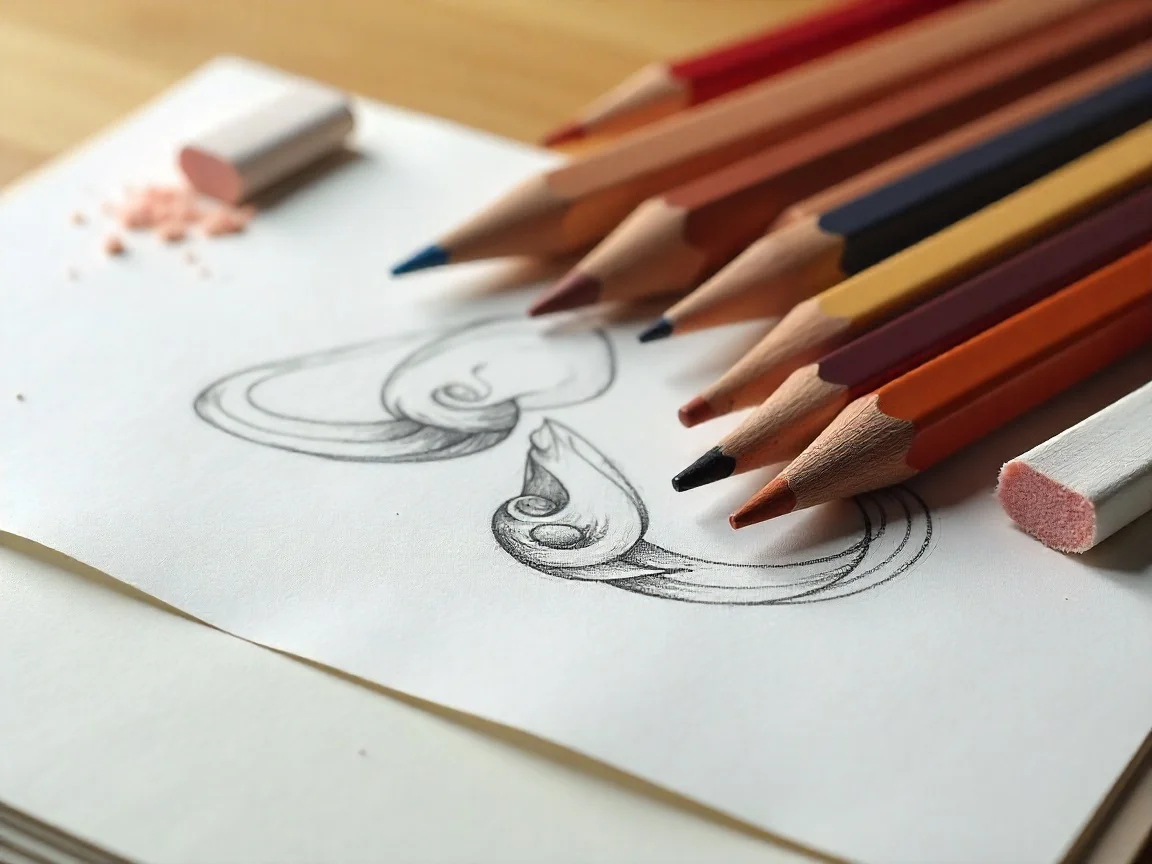
- Pencils: Go for a set with varying hardness, like HB (medium) for everyday lines, 2B for softer shading, and 4H for light outlines. Beginners love the Staedtler Mars Lumograph set—it’s smudge-resistant and lasts for months of practice.
- Paper: Smooth sketch pads work best; try 80-100 GSM to avoid bleed-through. A spiral-bound pad from Strathmore is a top pick for its affordability.
- Eraser and Sharpener: Kneaded erasers lift graphite gently without damaging paper, while a manual sharpener keeps points precise.
- Blending Tools: Tortillons (paper stumps) or even a tissue for smooth gradients.
Pro tip: In 2025, apps like Procreate Pocket pair with your sketches for digital tweaks, bridging traditional and modern techniques.
| Tool | Why It’s Essential | Beginner Recommendation |
|---|---|---|
| Pencils (HB-6B) | Vary line weight and darkness | Staedtler set ($10) |
| Sketch Paper | Smooth surface for clean lines | Strathmore 400 series ($8) |
| Kneaded Eraser | Precise corrections | Faber-Castell ($2) |
| Blending Stump | Softens edges for realism | Set of 4 ($5) |
With your kit ready, let’s explore core techniques.
Mastering Basic Pencil Strokes
The foundation of all pencil drawing techniques for beginners lies in controlling your strokes. Practice these on scrap paper for 10 minutes daily to build muscle memory.
How to Hold Your Pencil for Better Control
Grip matters! Hold the pencil loosely between your thumb and index finger, resting it on your middle finger—like a relaxed handshake. For broad strokes, “overhand” grip (palm down) gives sweeping motions; for details, use the “writing” grip.
Common question: What is the best way to hold a pencil for drawing? This relaxed hold reduces hand cramps and lets you vary pressure naturally.
Straight Lines and Curves
Start with straight lines: Anchor your wrist on the table and pivot from your shoulder for longer ones. For curves, loosen up—think of drawing an “S” wave. Repeat in rows: vertical, horizontal, diagonal.
- Vertical lines: Build fences or tree trunks.
- Curves: Sketch smiling faces or rolling hills.
Building Confidence with Shapes
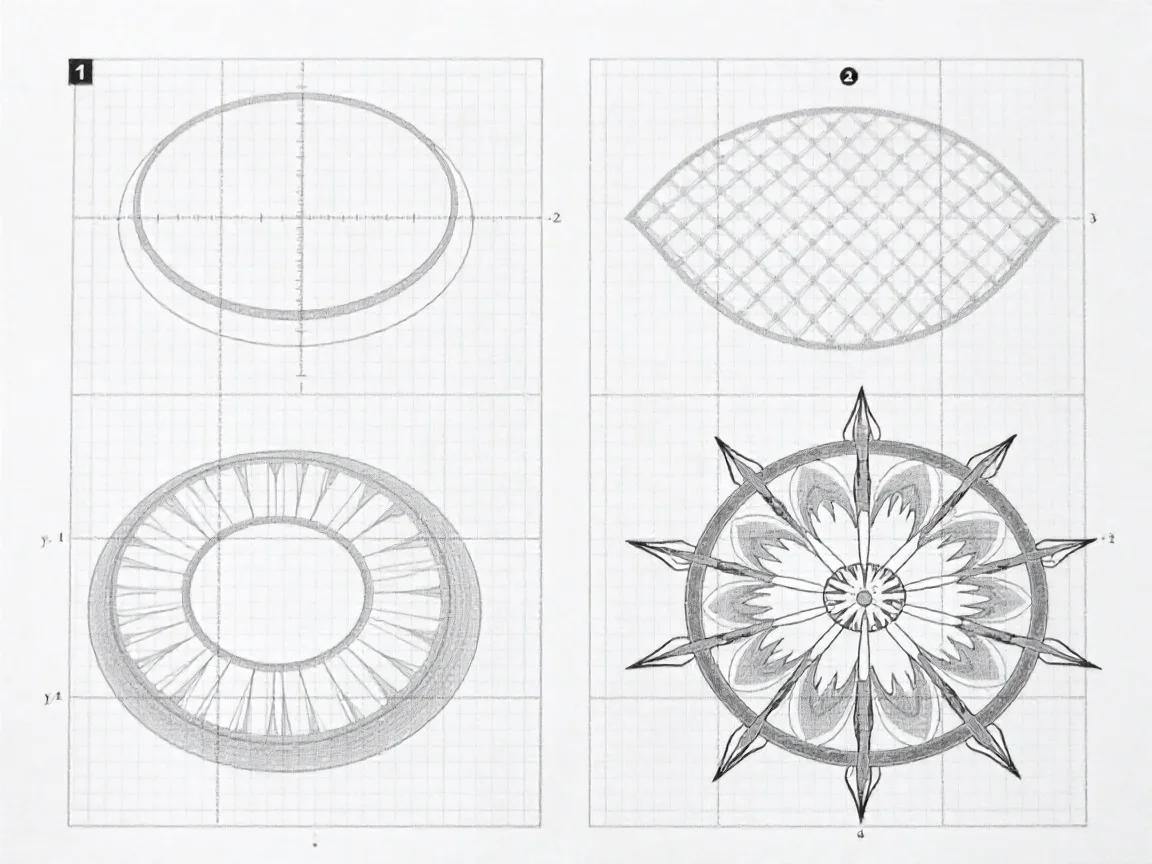
Circles, squares, and triangles are your building blocks. Lightly sketch them overlapping to form complex forms, like a house from rectangles and triangles. As one popular 2025 YouTube tutorial notes, “Master shapes, and anything is drawable.”
Shading Techniques to Add Depth
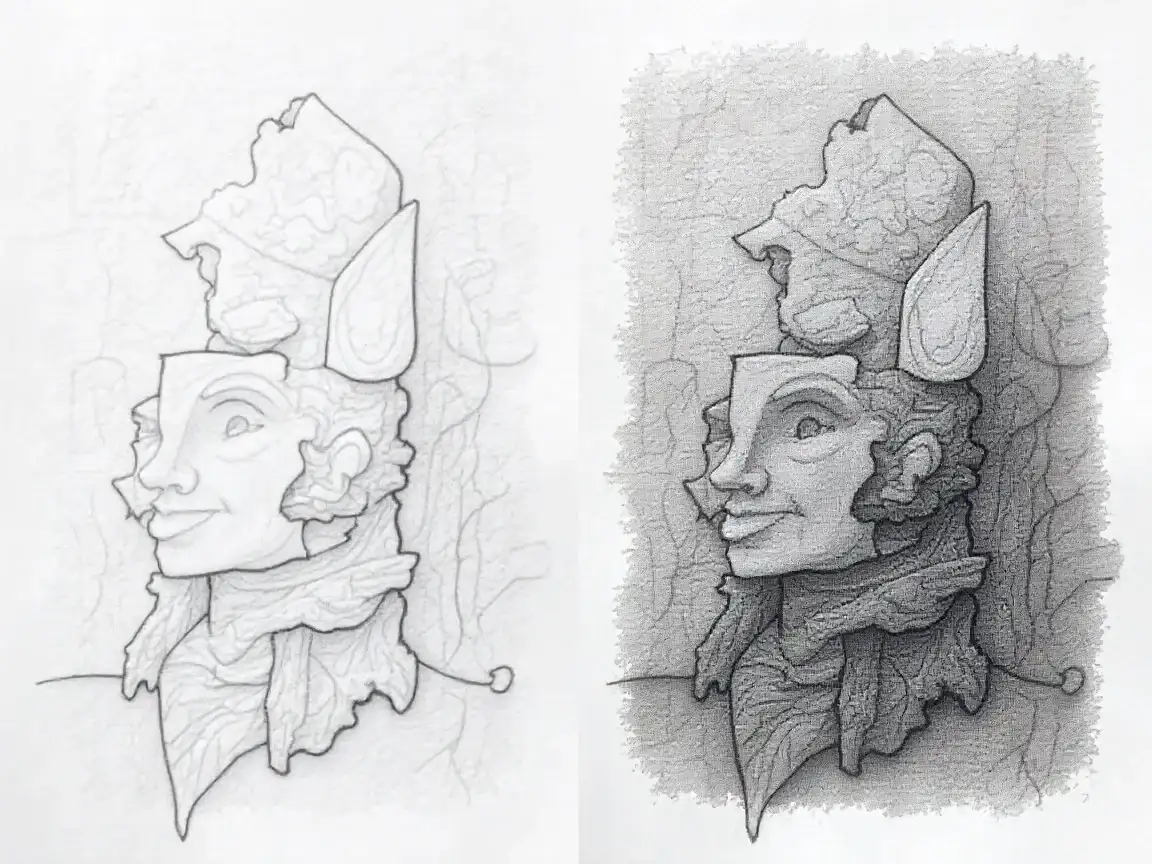
Shading turns flat lines into 3D wonders. These pencil drawing techniques for beginners focus on value—how light or dark your marks are.
Hatching and Cross-Hatching
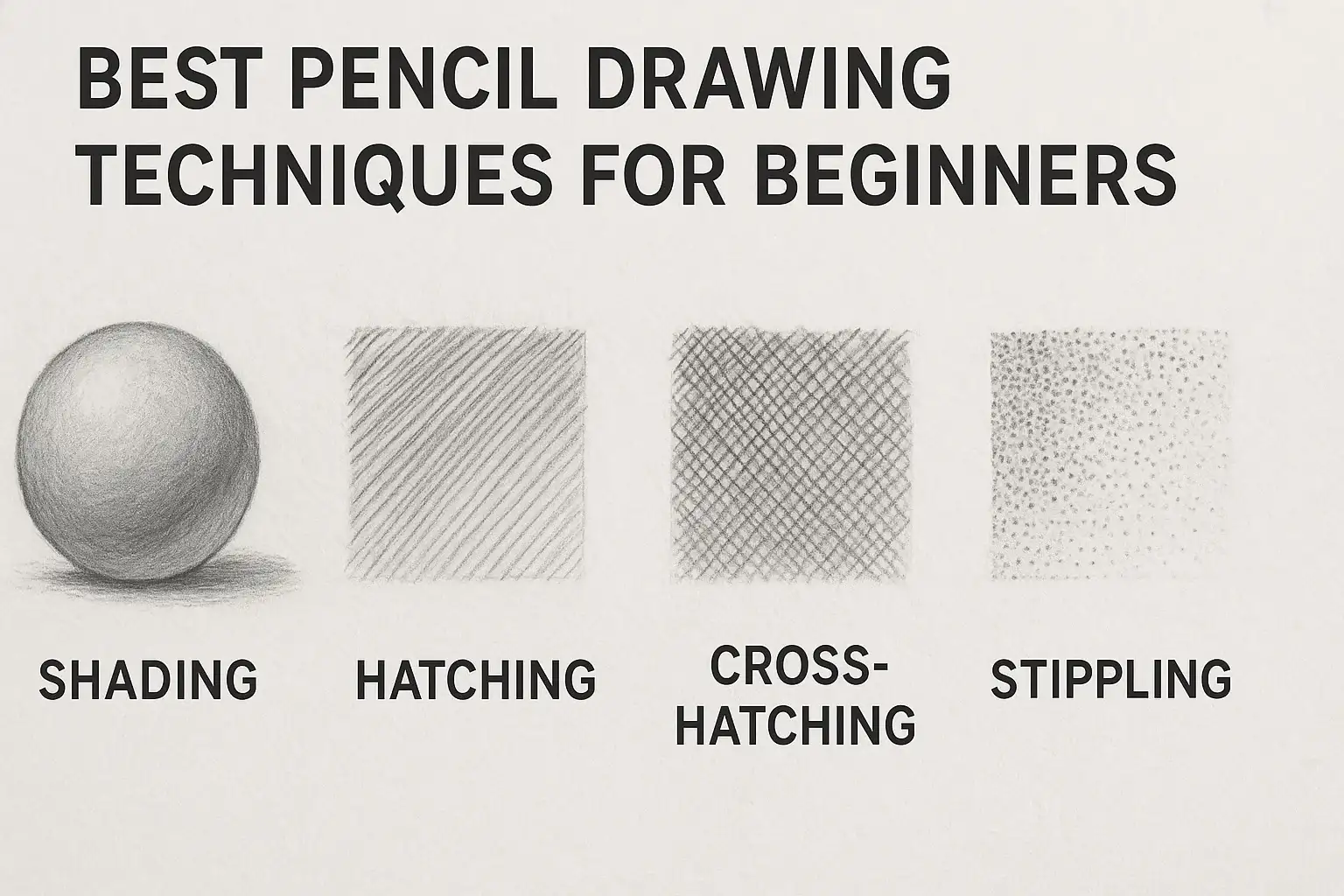
Hatch parallel lines close together for tone. Closer lines = darker areas. Cross-hatch by layering perpendicular sets for deeper shadows. Great for fur or fabric textures.
Example: Shade a sphere—light hatches on top, cross-hatches at the bottom for roundness.
Blending for Smooth Gradients
Use your blending stump to smear graphite softly. Start light and layer up. How do you blend pencil shading? Layer strokes first, then blend from light to dark edges.
Scumbling and Stippling
Scumble: Circular, scribbly motions for textured softness, like clouds. Stipple: Tiny dots for starry skies or freckles—denser dots make darker spots.
In 2025 trends, artists mix these with digital filters in apps like Adobe Fresco for hybrid effects.
Step-by-Step: Your First Beginner Project
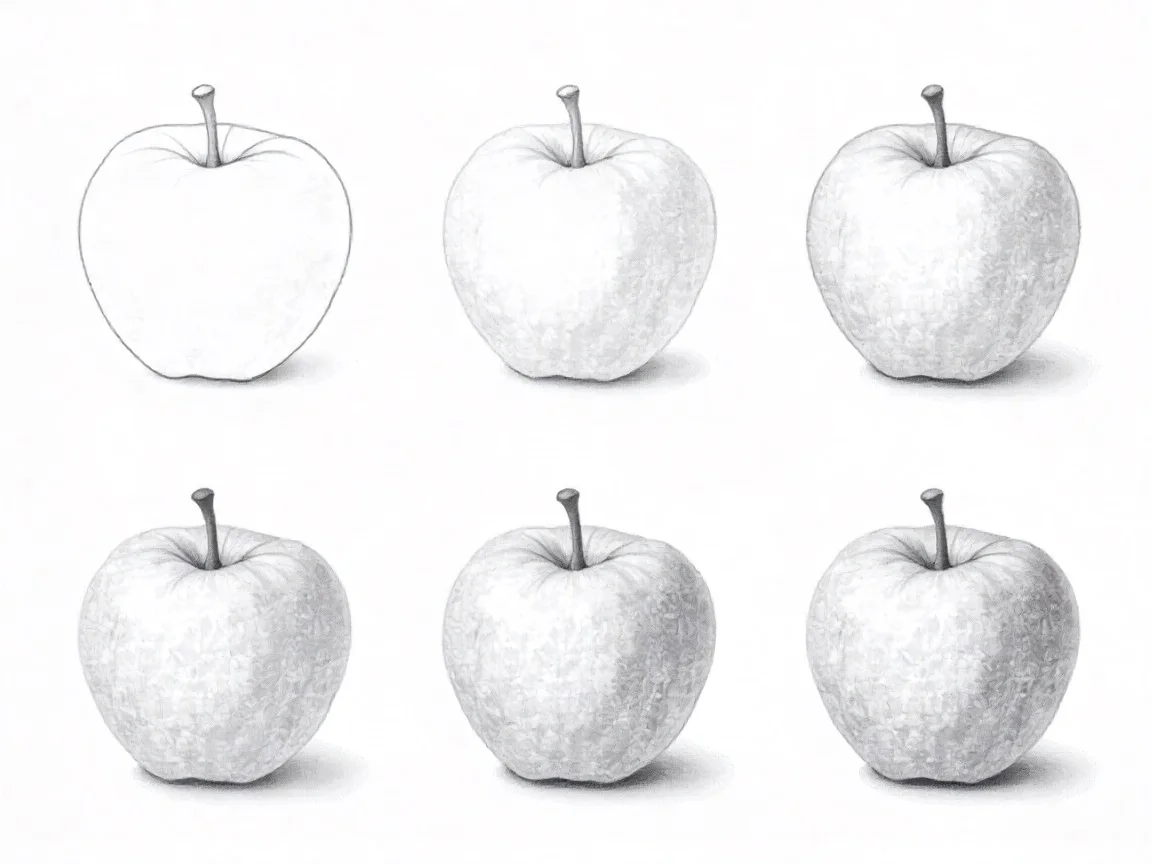
Let’s apply these with a simple apple sketch. This easy exercise takes 20 minutes and teaches proportion.
- Outline Lightly: Use an H pencil to draw a circle for the apple body, add a stem line. Keep lines faint—you’ll erase extras.
- Add Details: Sketch a leaf curve and dimple at the top. Check proportions: The stem should be one-third the apple’s height.
- Shade the Form: Imagine light from the top-left. Hatch light tones on the highlight side, cross-hatch mid-tones, and blend deep shadows underneath.
- Texture and Refine: Stipple seeds inside if visible. Blend edges for realism, then erase highlights for shine.
- Sign and Admire: Step back—voilà, your first shaded fruit!
People also ask: How long does it take to get good at pencil drawing? With consistent 15-minute sessions, you’ll see improvement in two weeks.
Repeat with pears or cups to vary shapes.
Avoiding Common Beginner Mistakes
Even pros slip up—here’s how to sidestep pitfalls.
- Pressing Too Hard: Start light; darkens come from layers, not force. Fix: Use softer pencils gradually.
- Skipping Eraser Use: Don’t fear mistakes—lift graphite to refine. Tip: Work in layers, erasing between.
- Ignoring Proportions: Measure with your pencil (thumb as guide) to compare sizes. What are the most common pencil drawing mistakes? Rushing measurements tops the list.
- Poor Lighting: Draw in natural light to see values accurately.
Track progress in a sketch journal; 2025 planners like the Bullet Journal method integrate art prompts seamlessly.
Practice Tips to Level Up in 2025
Consistency is key. Dedicate time weekly, but keep it joyful.
- Daily Doodles: 5-minute warm-ups, like gesture sketches of household objects.
- Online Challenges: Join #SketchADay on Instagram for community feedback.
- Study Masters: Copy (for learning) from books like Fun with a Pencil by Andrew Loomis—timeless since 1939, still a bestseller.
- Tech Boost: Scan sketches into apps like Sketchbook for color experiments.
For deeper dives, check out Drawing on the Right Side of the Brain by Betty Edwards, updated editions available now.
Aim for 100 sketches before judging harshly—growth compounds.
Resources to Fuel Your Journey
Expand your skills with these gems:
- Free YouTube series: “Proko’s Beginner Drawing Roadmap” for structured lessons.
- Book rec: Sketching for the Absolute Beginner by Peter Conn—step-by-step urban scenes.
- Community: Reddit’s r/LearnToDraw for critiques and motivation.
Explore more how-to guides on building creative habits.
Wrapping Up: Your Pencil Awaits
Pencil drawing isn’t about perfection—it’s about the joy of creation, the quiet thrill of a line turning into a story. You’ve got the techniques: strokes that flow, shades that sing, and projects that inspire. In a world buzzing with digital noise, this simple act reconnects you to your imagination. Grab that pencil today, make your mark, and watch your world expand one sketch at a time.
What’s your first drawing? Share in the comments or dive into our beginner art supplies guide for more inspiration. Happy sketching!
FAQ
What are the basic pencil drawing techniques?
Start with lines, shapes, and shading like hatching and blending to build form and depth.
Which pencil is best for beginners?
An HB pencil offers a balance of lightness and darkness—versatile for outlines and tones.
How can I practice pencil shading at home?
Draw everyday objects under one light source, layering from light to dark for realistic shadows.
Is pencil drawing hard for absolute beginners?
Not at all! With 10-15 minutes daily, you’ll grasp basics quickly through fun, forgiving exercises.