
Imagine scrolling through your favorite news site or shopping on Amazon, only to see error messages everywhere. That’s what happened on June 8, 2021, when a major internet outage hit hard. Caused by a glitch at Fastly, a key content delivery network (CDN), this event knocked out huge parts of the web for about 49 minutes. It affected millions worldwide, from the US to Europe and beyond. In this updated guide for 2025, we’ll dive into what went wrong, why it matters today, and how the internet has gotten stronger since then. Whether you’re curious about website downtime or want to know how to avoid similar issues, keep reading.
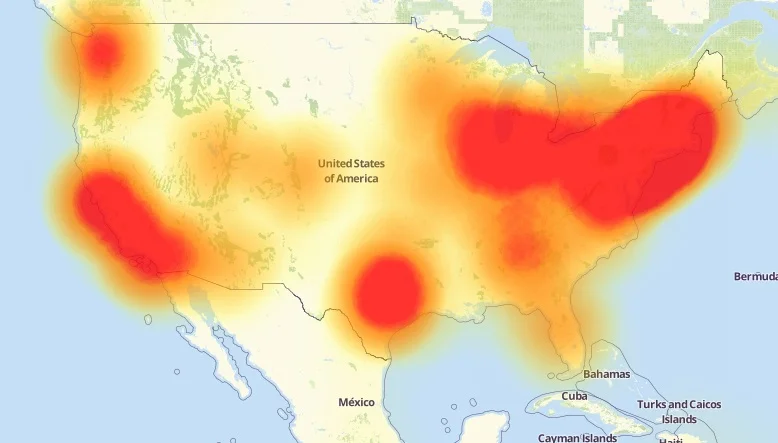
What Happened During the 2021 Fastly Outage?
On that Tuesday morning in June 2021, users around the globe started seeing “Error 503” messages on popular sites. The outage began around 10:00 UTC and lasted just under an hour. Fastly, a company that helps websites load faster by storing content on servers close to users, was at the center of it all. About 85% of their network went down, causing a ripple effect.
People in countries like the US, UK, South Africa, and parts of Asia couldn’t access news, shopping, or streaming services. It even delayed things like booking COVID-19 vaccines in some areas. This wasn’t a cyberattack or storm—it was an internal issue that showed how connected the internet really is.
In 2025, we look back at this as a wake-up call. With more people online than ever, outages like this remind us of the web’s fragility. But they’ve also led to better tech safeguards.
What Caused This Major Internet Outage?
The root cause was a software bug in Fastly’s system. On May 12, 2021, Fastly rolled out an update to improve their services. Hidden in that update was a flaw that stayed quiet until June 8, when a customer’s normal configuration change triggered it. Suddenly, the bug caused most of Fastly’s servers to fail.
CDNs like Fastly work by caching content—think images, videos, and pages—on edge servers worldwide. When something goes wrong at the CDN level, it can take down many sites at once. Other common causes of internet outages include:
- Hardware failures: Like broken routers or cables.
- Software glitches: Bad updates, as in this case.
- Network congestion: Too much traffic overwhelming systems.
- External factors: Weather, power outages, or even human error, such as accidentally cutting fiber-optic lines.
- Cyber threats: Though not the case here, hacks can cause similar disruptions.
Fastly’s senior VP of engineering, Nick Rockwell, admitted they should have caught the bug earlier. “We provide mission-critical services, and we treat any action that can cause service issues with the utmost sensitivity,” he said. This event highlighted how a single point of failure in a CDN can lead to global website failure.
Which Websites and Services Were Affected?
The list of impacted sites was massive because Fastly powers so many big names. Here’s a breakdown:
- News outlets: The New York Times, CNN, The Guardian, BBC, and Financial Times all went dark.
- E-commerce: Amazon, Etsy, Shopify, and Target showed errors.
- Entertainment and social: Reddit, Twitch, Pinterest, HBO Max, and Spotify stopped working.
- Government and others: The UK government’s Gov.uk site, along with sites like Stack Overflow for developers.
According to reports, the outage hit platforms that rely on Fastly for fast loading times. It wasn’t just inconvenience—businesses lost revenue, and users missed out on critical info during a pandemic.
In today’s terms, think about how an outage like this could disrupt remote work or online schooling in 2025. It’s why companies now often use multiple CDNs to spread the risk.
How Did Fastly Fix the Outage?
Fastly’s team jumped into action quickly. They identified the problem within minutes and rolled out a temporary fix by disabling the buggy configuration. By 10:49 UTC, most services were back online. They then worked on a permanent solution to prevent it from happening again.
The company issued a full apology and shared a detailed post-mortem report. This transparency helped rebuild trust. Fastly also reviewed their testing processes to catch bugs earlier.
Lessons Learned from the Fastly Internet Outage
This 2021 event taught the tech world some hard lessons. First, always test updates thoroughly—even small changes can have big impacts. Second, relying on one provider is risky; multi-CDN setups are now standard for big sites.
Other insights include:
- Better monitoring: Tools to spot issues before they spread.
- Redundancy: Backup systems that kick in automatically.
- Customer communication: Quick updates during downtime build loyalty.
Fastly itself has focused on “pillars of resilience,” like minimizing latency and resisting disruptions. These changes have made the internet more robust by 2025.
Similar Major Internet Outages in Recent Years (2023–2025)
Outages haven’t stopped since 2021. In fact, they’ve gotten bigger in some ways. Here are a few examples:
- CrowdStrike Outage (July 2024): A faulty software update crashed Windows systems worldwide, affecting airlines, hospitals, and banks. It lasted hours and cost billions.
- AT&T Outage (February 2024): A network error took down mobile services for millions in the US, blocking calls and texts.
- Microsoft Azure Issues (2023–2024): Multiple cloud outages disrupted services like Outlook and Teams.
- AWS Outage (October 2025): A recent glitch affected e-commerce and streaming, showing vulnerabilities still exist.
Government shutdowns in places like India and Iran have also caused disruptions in 2025. Natural disasters, like earthquakes, added to Q3 2025 outages.
| Year | Outage Event | Cause | Impact |
|---|---|---|---|
| 2021 | Fastly CDN | Software bug | Global websites down for 49 min |
| 2024 | CrowdStrike | Faulty update | Billions in losses, systems crashed |
| 2024 | AT&T | Network error | US mobile services offline |
| 2025 | AWS | Glitch | E-commerce and streaming disrupted |
How Has Internet Infrastructure Improved Since 2021?
The internet in 2025/2026 is tougher thanks to lessons from events like Fastly’s. Companies now use multi-cloud strategies to avoid single failures. Edge computing brings data closer to users, reducing downtime risks.
Advancements include:
- AI-driven monitoring: Spots problems early.
- Automated failovers: Switches to backups instantly.
- Stronger security: Against hacks and bugs.
- Global networks: More distributed servers worldwide.
Fastly and others have invested in resilience, making outages shorter and less frequent overall. Still, with more devices connected, staying vigilant is key.
FAQ
What causes major internet outages?
They can stem from software bugs, hardware failures, cyber attacks, or natural disasters. For example, the Fastly incident was a bug triggered by a config change.
How can businesses prevent website downtime?
Use multiple CDNs, regular testing, and monitoring tools. Check out resources on building resilient systems.
What was the impact of the 2021 Fastly outage?
It affected news, shopping, and government sites globally for nearly an hour.
Are internet outages more common now?
Frequency varies, but impacts are larger due to our reliance on the web. Reports show increases in ISP outages in 2025.
Wrapping Up: Staying Connected in a Digital World
The 2021 Fastly outage was a stark reminder that even the mightiest web can stumble. But it sparked changes that make today’s internet more reliable. As we head into 2026, embracing redundancy and smart tech will keep us online. Have you experienced an outage? Share in the comments!
Ready for more tech insights? Explore our guides on digital security or the latest in cloud computing.