
Key Takeaways
- Compare the full expected yearly cost, not just the premium deducted from each paycheck.
- Review deductibles, copays, coinsurance, annual benefit limits, and restrictions for major services.
- Confirm that preferred dentists and nearby specialists participate in the exact plan network.
- Match coverage to expected care, including preventive visits, fillings, crowns, dentures, or orthodontics.
- Use official plan materials before enrolling, because benefits and costs can differ by plan and location.
Choosing dental coverage for 2026 is easier when the comparison starts with expected care rather than the lowest premium. Eligible federal employees, annuitants, and some military retirees may have different coverage needs, provider preferences, and enrollment considerations. For example, retirees who want to compare military retiree dental insurance should examine both the services they expect to use and the dentists available near home.
A dental plan can appear inexpensive until a family member needs a crown, root canal, denture repair, periodontal treatment, or emergency appointment. A careful review of premiums, cost-sharing, network access, and plan limits helps clarify the financial trade-offs before treatment is needed.
Why Dental Coverage Deserves A Careful Review
Dental charges can vary by procedure, geographic area, provider, and whether the dentist participates in a plan network. That means a small difference in monthly premiums does not automatically make one option less expensive over the year. Preventive care may involve limited member costs under some plans, while basic and major services can require a deductible, a copay, or a percentage of the allowed charge.
Start by considering the household’s likely needs. Recent dental bills, treatment recommendations, upcoming appointments, and a child’s orthodontic consultation are more useful than relying on the broad assumption that everyone will need only cleanings.
Start With Expected Dental Needs
Create a short list of services that may be needed during the plan year. Include both routine care and treatment that have already been discussed with a dentist.
- Exams, cleanings, X-rays, sealants, or fluoride treatments
- Fillings, extractions, and emergency visits
- Gum care or periodontal treatment
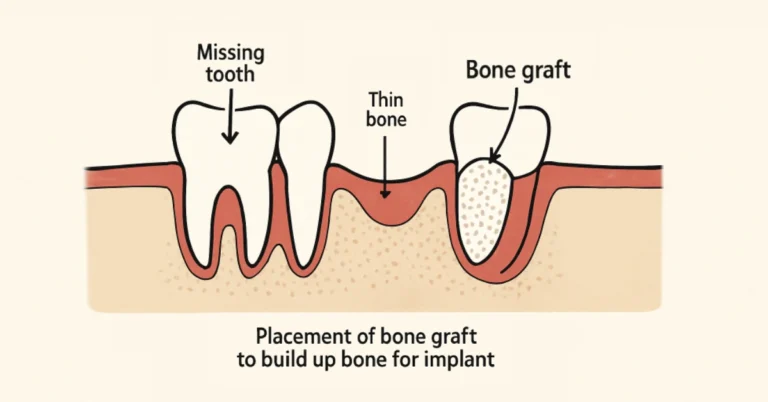
- Root canals, crowns, bridges, dentures, or implants
- Orthodontic consultations or active treatment
- Specialist care, such as oral surgery or endodontic treatment
If major work is likely, ask the dental office for a written estimate. It can provide a practical starting point for comparing what each plan may pay and what could remain your responsibility.
Compare The Total Annual Cost
Use the same simple calculation for every option:

- Add the premium payments expected over 12 months.
- Add any deductible that is likely to apply.
- Estimate copays or coinsurance for expected services.
- Check whether plan limits could leave part of a large bill uncovered.
- Include possible out-of-network charges if preferred providers are not participating.
For example, a hypothetical plan with a $20 monthly premium costs $240 in premiums for the year. If it requires the member to pay 50 percent of a $2,000 covered major procedure, the combined estimate is $1,240 before any deductible is applied. A plan costing $40 per month with 30 percent coinsurance for that same procedure would total $1,080 before any deductible. The higher premium could therefore be the lower-cost choice for that specific need.
Review The Main Plan Features
Premiums And Deductibles
The premium is the amount paid to maintain coverage, but it is only one part of the cost. A deductible is the amount a member may need to pay for covered services before the plan begins paying under its stated benefit rules. Review whether the deductible applies per person, per family, or only to certain categories of care.
Copays And Coinsurance
A copay is generally a fixed dollar amount for a service. Coinsurance is generally a percentage of the plan’s allowed charge. Percentage-based cost sharing can be especially important for expensive procedures, because the member’s cost rises when the allowed amount is higher.
Annual Limits And Exclusions
Some plans place an annual maximum on benefits for certain services, while orthodontic benefits may have a separate lifetime maximum. Read the brochure for replacement intervals, coverage exclusions, pre-treatment estimate rules, and any limits on crowns, dentures, implants, or braces. Do not assume a service is covered simply because it is commonly performed by dentists.
Check The Dentist Network Before Enrolling
Network access can be as important as the benefit schedule. Search the carrier directory for your dentist, then call the office to confirm participation in the exact plan and network you are considering. Ask whether nearby oral surgeons, periodontists, orthodontists, and endodontists also participate. A dentist may accept one carrier’s network but not every plan offered by that carrier.
Out-of-network care can involve higher member costs and additional charges that the plan does not pay. This deserves extra attention for households that travel often, expect to relocate, or want to continue treatment with a current dentist.
Read Official Plan Documents Before Deciding
The 2026 FEDVIP plan comparison tool can help eligible enrollees compare premiums, deductibles, networks, and benefit categories by ZIP code. It is useful for narrowing options, but the individual plan brochure remains essential because it explains the full terms, exclusions, and coverage conditions.
Also, verify when you may enroll or make changes. Enrollment opportunities can depend on Open Season, newly acquired eligibility, or a qualifying life event. Use the official enrollment process and retain copies of the confirmation, brochure, and any pre-treatment estimate for future reference.
Questions To Ask Before Choosing A Plan
- Is my preferred dentist in this exact network?
- What will I pay for preventive, basic, and major services?
- Does the plan have a deductible or annual benefit maximum?
- How are crowns, root canals, dentures, implants, and orthodontics handled?
- Are there replacement rules or age limits?
- Can the dentist request a pre-treatment estimate before major work begins?
- What happens if care costs more than the plan’s stated maximum?
Common Comparison Mistakes To Avoid
Avoid selecting coverage based only on the premium, assuming all dentists accept the same network, or reading only a short benefit summary. It is also easy to overlook specialist care, orthodontics, annual limits, and out-of-network costs. Comparing every option with the same list of expected services reduces those mistakes.
A Simple Comparison Worksheet
For each plan, write down the plan name, monthly premium, estimated annual premium, deductible, preventive-care cost, basic-treatment cost, major-treatment cost, orthodontic benefit, annual maximum, network availability, and estimated total yearly cost. Keeping those details in one consistent list makes it easier to see which differences matter most for your household.
When To Ask For Help
Contact the plan administrator when benefit language is unclear, and ask the dental office for a written estimate before approving costly treatment. A second opinion may be worthwhile when recommended care is complex or expensive. For eligibility and enrollment questions, use the official federal benefits enrollment channel rather than relying on an older brochure or informal advice.
Conclusion
Comparing dental coverage in 2026 does not require a complicated process. Begin with likely dental needs, calculate the full annual cost, verify provider access, and read the current plan documents carefully. A side-by-side review can help federal employees and eligible retirees choose coverage that better fits both expected care and the household budget.