
Understanding the Core Components of Alarm Monitoring Cost

Professional monitoring gives you peace of mind around the clock. It makes sure help arrives fast if there’s an emergency. This guide will break down alarm monitoring costs for 2026. We will look at what you get for your money. We will also show you what makes prices go up or down.
Our goal is to help you find a security plan that fits your needs and your wallet. For those researching budget-friendly options, understanding various SmartMait security monitoring plans can provide valuable insight.

When we talk about alarm monitoring costs, we’re essentially discussing the price of having a dedicated team watch over your property 24/7. This service ensures that if an alarm is triggered, trained professionals respond, verify the threat, and dispatch emergency services on your behalf. These core components—the central station, monitoring rates, and dispatch services—form the backbone of any professional security plan.
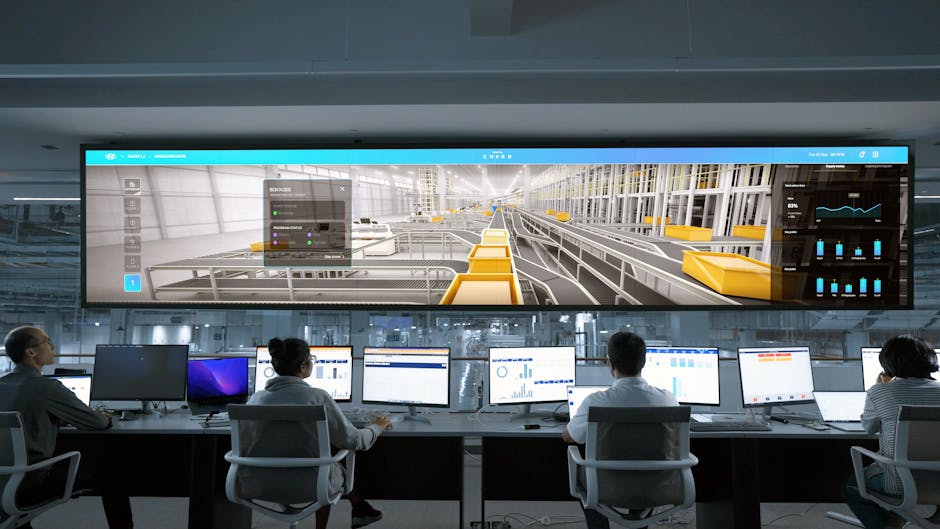
The primary benefit of a professionally monitored system is the immediate, expert response. Unlike a siren that simply makes noise, a monitored system connects directly to a central station. This means that even if you’re away, asleep, or unable to respond, someone is always there to act. The peace of mind that comes from knowing your home is under constant surveillance, ready for emergency response, is invaluable.
The monitoring rates you encounter will typically be structured as monthly or annual contracts. These fees cover the operational costs of the central station, including staffing, technology, and communication infrastructure. Understanding what these fees entail is the first step in deciphering the true cost of securing your home.
Central Station Dispatch Fees
At the heart of professional alarm monitoring is the central station dispatch center. This is where all alarm signals are received, processed, and acted upon. When an alarm is triggered—whether it’s for a burglary, fire, medical emergency, or environmental hazard—it sends a signal to this center.
Trained operators are on standby 24/7 to receive these signals. Their response time is often remarkably fast, with some providers boasting agent reaction times of less than 30 seconds. Upon receiving a signal, operators follow a predefined protocol. This typically involves attempting to contact you or your designated contacts to verify the alarm. This verification process is crucial, as it helps reduce false alarms and ensures that emergency services are dispatched only when genuinely needed. For instance, many jurisdictions require a “two-call verification” before police are dispatched for burglary alarms, aiming to confirm a legitimate threat.
Once an alarm is verified, or if contacts cannot be reached, the central station operator promptly dispatches the appropriate emergency services—police, fire department, or medical personnel—to your location. This seamless, professional intervention is a critical advantage of monitored systems, ensuring that help is on its way even if you’re not able to make the call yourself. The dispatch fees, therefore, cover not just the technology but also the human expertise and rapid response that can make a critical difference in an emergency.
Cellular vs. Landline Communication Paths
The reliability of your alarm system’s connection to the central monitoring station is paramount, and this largely depends on its communication path. Historically, landline connections were the standard. While they can be a cheaper option, sometimes as low as $8.95 per month for basic services, they come with significant drawbacks. Landlines are vulnerable to being cut by intruders, and the rise of Voice over Internet Protocol (VoIP) services has made them increasingly unreliable for alarm signaling due to signal compression and potential garbling.
In 2026, cellular backup has become the preferred and most robust communication method. Cellular communicators transmit alarm signals wirelessly over cellular networks, making them much harder for intruders to disable. This enhanced reliability, however, typically comes at a higher monthly cost, often ranging from $40 to $60 per month for cellular-only monitoring, or between $13.95 and $22.95 for interactive plans that include cellular.
Many modern systems also utilize an internet protocol (IP) connection, often through your home’s broadband internet. While reliable, an IP connection can be disrupted by power outages or internet service interruptions. For the highest level of security and redundancy, a dual-path communication system is recommended. This combines both IP and cellular connections, ensuring that if one path fails, the other can take over. This is particularly important for higher-tier plans that offer advanced features and require consistent connectivity.
It’s also important to note that technology evolves. For example, the shutdown of 3G cellular networks has rendered older 3G communicators obsolete, requiring systems to be upgraded to 4G/5G LTE communicators for continued service. When evaluating options, we always recommend prioritizing systems with reliable, modern communication paths to ensure uninterrupted protection.
Comparing Self-Monitoring vs. Professional SmartMait Security Monitoring
When considering home security, a fundamental decision lies between self-monitoring and professional monitoring. Each approach offers distinct advantages and cost implications. Self-monitoring puts the responsibility squarely on your shoulders; you receive alerts and decide on the appropriate action. Professional monitoring, on the other hand, delegates this critical task to a dedicated central station, ensuring a rapid, expert response without your direct intervention.

The choice often boils down to your budget, lifestyle, and comfort level with managing emergencies. While self-monitoring can appear more cost-effective upfront, the peace of mind and enhanced security offered by professional services often justify the investment. Let’s delve deeper into how these two approaches compare.
The Benefits of Professional SmartMait Security Monitoring
Professional monitoring offers a comprehensive layer of protection that self-monitoring simply cannot match. The primary benefit is the assurance of 24/7 coverage. No matter where you are, or what time of day it is, a dedicated team is watching over your property. This is particularly crucial for residential security, as it means an immediate response to emergencies even when you’re away on vacation, at work, or asleep.
One of the most significant advantages is the speed of response. Professional monitoring agents are trained to react quickly—some providers boast response times of under 30 seconds. This rapid assessment and action can be critical in preventing a minor incident from escalating into a major one. Furthermore, many professional services incorporate advanced verification methods, such as video verification. When an alarm is triggered, agents can access live or recorded video feeds to confirm the nature of the threat. This video verification often leads to priority police dispatch, as authorities treat these alarms as confirmed crimes in progress, resulting in faster arrival times.
Beyond just reacting to alarms, some advanced professional monitoring services offer proactive crime prevention. This might include AI-powered outdoor cameras that allow live agents to intervene before an intruder even enters your home, using two-way audio, sirens, and spotlights to deter potential threats. This “double layer of defense” is a significant upgrade from a simple siren, which only triggers after a break-in has occurred. Professional monitoring also extends beyond burglary, covering fire, medical emergencies, carbon monoxide leaks, and environmental hazards like floods or extreme temperatures, providing holistic protection for your home and family.
How Self-Monitoring Compares to SmartMait Security Monitoring
Self-monitoring, while a more budget-friendly option, places the entire burden of response on the homeowner. With self-monitoring, when an alarm is triggered, you receive mobile alerts—via text, email, or app notifications—directly to your smartphone. It is then your responsibility to assess the situation, verify the alarm, and contact emergency services if necessary.
The main draw of self-monitoring is its lower cost, with some basic plans offering camera recordings for as little as $10 per month. This can be an attractive option for those with tight budgets or who are comfortable with a hands-on approach to their security.
However, self-monitoring comes with inherent limitations. There is no automatic dispatch of authorities. If you’re unavailable, asleep, or your phone is dead, an alarm could go unnoticed, or help could be significantly delayed. This lack of a professional intermediary means that false alarms are entirely your responsibility to manage, and legitimate emergencies might not receive the immediate, coordinated response that professional monitoring provides.
For effective self-monitoring, security cameras are almost essential. They allow you to visually verify an event when an alert comes in. Many self-monitoring plans include video storage, which is crucial for reviewing events and providing evidence if needed. However, even with cameras, the user verification process can be stressful and time-consuming during an actual emergency, highlighting the trade-off between cost savings and comprehensive protection.
Hidden Fees and Additional Expenses to Anticipate
Beyond the monthly monitoring fee, several other costs can influence the total expense of your alarm system. It’s crucial to understand these potential “hidden fees” and additional expenses upfront to avoid surprises and accurately budget for your security investment. These can range from the initial purchase of equipment to ongoing maintenance, and even local permit requirements. For instance, commercial security systems often involve more complex equipment and installation, leading to higher upfront costs and potentially more intricate maintenance schedules.
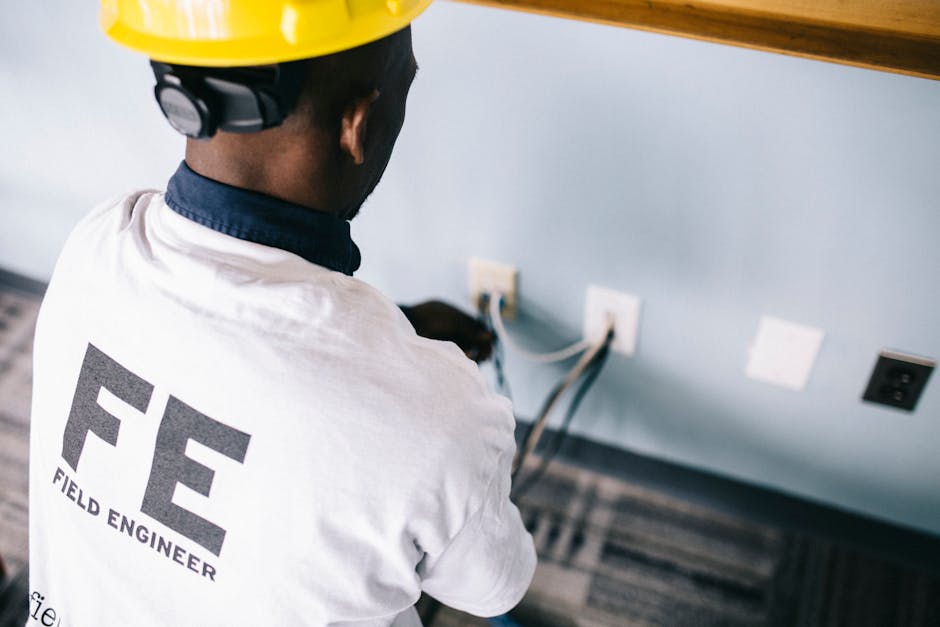
Understanding these various cost components is key to making an informed decision. We’ll explore the main categories of additional expenses you should anticipate when planning your alarm monitoring solution.
Equipment and Upfront Hardware Costs
The initial investment in your alarm system’s hardware is a significant factor in the overall cost. While some providers offer free equipment with long-term contracts, many systems, especially DIY-friendly options, require an upfront purchase.
The pricing for individual sensors can vary widely, from around $20-$100 each for basic contact or motion sensors. Starter kits often bundle these components, offering a more cost-effective way to begin. For example, a basic 5-piece kit might start around $200, while more comprehensive 14-piece kits could be $300-$400 or more.
Installation costs also play a role. DIY installation can save you hundreds of dollars, as you avoid professional installation fees which can range from $125-$600 for wireless systems or even $800-$1,600 for hardwired setups. However, professional installation ensures proper setup and integration, which can be particularly beneficial for complex systems or for those less comfortable with technical tasks. We recommend carefully evaluating your needs and skills when deciding between DIY and professional installation.
Activation and Maintenance Fees
Beyond the initial equipment and monthly monitoring, you might encounter several one-time or recurring fees. A common charge is an activation fee or administration fee. This is a one-time payment to get your service up and running, often covering system programming and account setup. For example, some services charge a $35 one-time administration fee.
Maintenance is another area where costs can accumulate. While modern systems are generally reliable, components like batteries in wireless sensors will need periodic replacement. Although the cost of individual batteries is low, replacing multiple sensors across your home can add up over time. More significant issues, such as system malfunctions or damage, might lead to repair costs, which can range from $95 to $250 per incident.
It’s also important to be aware of potential local fees. Some municipalities require permits for alarm systems, and there might be associated fees for these permits. Additionally, repeated false alarms can sometimes lead to fines from local authorities. While these aren’t direct fees from your monitoring provider, they are a potential cost of ownership that we encourage you to be mindful of. Always check with your local police department about their alarm permit requirements and false alarm policies.
Frequently Asked Questions About Alarm Monitoring Costs
Navigating the landscape of alarm monitoring costs can bring up many questions. We’ve compiled some of the most frequently asked questions to help clarify common concerns and guide you toward making an informed decision about your home’s security.
What is the average monthly cost for alarm monitoring?
The average monthly cost for alarm monitoring can vary significantly based on the provider, the type of monitoring, and the features included in your plan. In 2026, we see a broad spectrum of prices.
Basic plans, often utilizing a landline or internet connection for communication, can start as low as $8.95 per month. These typically offer 24/7 central station dispatch without many interactive features. For example, a central station alarm monitoring service might cost around $119.40 per year, which breaks down to about $9.95 per month.
As you add more advanced features, the costs increase. Plans that include cellular backup, interactive app control, and smart home integration typically range from $15 to $45 per month. For instance, a popular DIY system offers a standard monitoring alternative at about $23 per month. More comprehensive plans with video verification, advanced AI-powered outdoor protection, and live agent intervention can go higher, potentially reaching $50 to $80 per month, depending on the level of service and number of connected devices.
Overall, while a basic professional monitoring plan might hover around $10-$25 per month, a feature-rich plan with all the bells and whistles could easily be $40-$80 per month. It’s crucial to compare what’s included in each tier to determine the best value for your specific security needs.
Can I switch my existing alarm system to a new monitoring provider?
Yes, in many cases, you can absolutely switch your existing alarm system to a new monitoring provider. This process is often referred to as a “system takeover.” Many third-party monitoring services specialize in taking over existing alarm panels, allowing you to avoid purchasing entirely new equipment.
The key to switching is often having access to your alarm panel’s installer code. This code allows a new provider to reprogram your system to communicate with their central station. If you don’t have this code, some providers can help you reset it.
Compatibility is also a factor. Most common alarm panels from various manufacturers can be reprogrammed. However, you might need a new cellular or IP communicator that is compatible with your existing panel and the new monitoring service. For example, if you have an older system that used a 3G communicator, you would need to upgrade to a 4G/5G LTE communicator to ensure continued service.
Many providers offer no-contract monitoring options, making the switching process even more appealing. This allows you to move to a new service without being tied down by long-term agreements, offering flexibility and potentially significant cost savings compared to staying with an expensive, legacy provider. We recommend inquiring about panel compatibility and required communicators when exploring options for switching providers.
Does professional alarm monitoring reduce home insurance premiums?
Yes, professional alarm monitoring can often lead to a reduction in your home insurance premiums. Insurance companies recognize that homes with monitored security systems are at a lower risk for burglary, fire, and other covered perils. This reduced risk translates into potential savings on your annual policy.
Typically, you can expect a discount ranging from 5% to 20% on your homeowner’s insurance. To qualify for these savings, your insurance provider will usually require proof that your alarm system is professionally monitored by a UL-listed central station. Your monitoring company can provide you with an “alarm certificate” or “certificate of monitoring” which you can then submit to your insurance agent.
While the upfront and monthly costs of professional monitoring are an investment, the potential savings on your home insurance premiums can help offset these expenses over time. We encourage you to contact your insurance provider to inquire about their specific discounts for professionally monitored alarm systems and what documentation they require. This can be a significant factor in the overall cost-benefit analysis of choosing a monitored security solution.
Conclusion
Investing in home security is about more than just protecting your property; it’s about safeguarding your peace of mind and the safety of your loved ones. As we’ve explored, the cost of alarm monitoring in 2026 is highly variable, influenced by factors like the type of monitoring, communication paths, equipment, and additional features.
The good news is that professional, reliable security doesn’t have to break the bank. From basic, budget-friendly plans that ensure 24/7 central station dispatch to advanced tiers offering proactive AI-powered deterrence and comprehensive smart home integration, there’s a solution for nearly every need and budget. While self-monitoring offers a lower-cost alternative, the unparalleled peace of mind and rapid, expert response provided by professional monitoring often make it a worthwhile investment.
We encourage you to carefully assess your specific security requirements, consider the trade-offs between cost and features, and explore the various options available. By understanding the core components of alarm monitoring costs and anticipating potential additional expenses, you can confidently choose a security plan that offers robust protection without financial strain. The right alarm monitoring solution is one that fits your lifestyle, secures your home, and provides you with the invaluable comfort of knowing your property is always protected.