
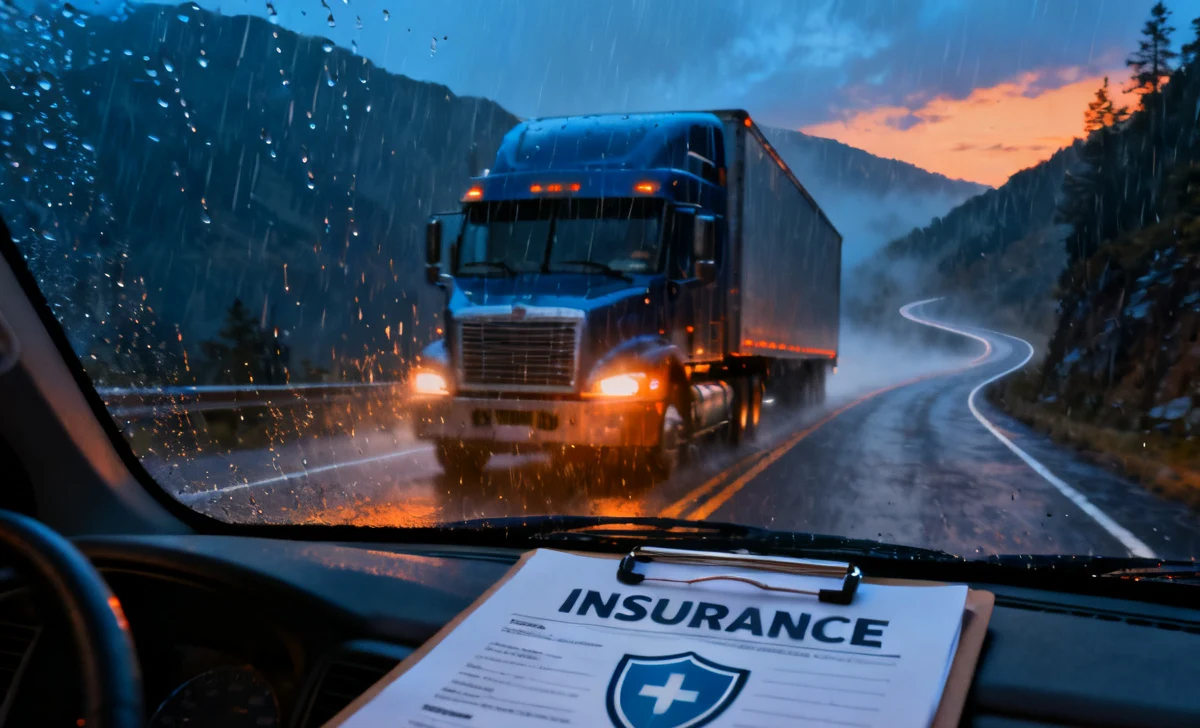
When you order something online, buy groceries, or even hire movers for a home relocation, chances are a truck made it possible. The trucking industry moves over 70% of all freight in the US. Without it, store shelves would empty, gas stations would run dry, and construction projects would stall.
But behind those 18 wheels and thousands of daily miles lies an industry most people misunderstand. Whether you’re considering becoming a trucking company owner, a professional driver, or simply someone who depends on truck deliveries, several truths about trucking rarely get talked about. Understanding trucking industry risks and insurance is not just for large fleet owners—it’s for anyone who depends on this vital industry.
Let’s break down what people don’t know about trucking, the real risks associated with trucking, and why having the right insurance coverage isn’t just smart—it’s essential.
1. Most Truck Drivers Are Actually Well-Educated
There’s a persistent myth that truck driving is a last-resort job for people without education. That’s far from reality.
According to the US Central Bureau, around 35% of professional drivers have completed some form of higher education, with many holding a bachelor’s degree. In some segments of the transportation of goods industry, that number climbs to nearly 45%, especially among drivers with less than five years of experience.
Why does this matter? Educated drivers tend to be more professional, safety-conscious, and reliable. Many enter the field by choice, not necessity. They enjoy the freedom of the open road, the ability to explore different locations, and the independence that trucking offers.
If you’re a trucking business owner, this is good news. You can set high standards for professional conduct and education, and you’ll still find qualified candidates. The old stereotype simply doesn’t hold up.
2. Trucking Doesn’t Make You Rich (Despite What People Think)
One of the most common misconceptions is that truckers earn a fortune because they work long hours. The truth is more grounded.
The mean wage for truckers is around $37,930 per year. Yes, that’s about $4,000 higher than the median wage for all US jobs, but it’s far from wealthy. Top-rated drivers with years of experience and safe records can earn up to $58,000 annually. But those are the exceptions, not the rule.
If you start a trucking business, don’t expect instant riches either. Many new owners assume high revenue means high profit. But after factoring in fuel prices, maintenance, insurance, and driver pay, the margins shrink quickly.
One real concern drivers often express is that fuel prices are rising faster than their pay. Since most truckers are paid by the mile, any increase in fuel costs without a corresponding pay raise eats directly into their earnings.
For business owners, success comes from careful routing, expense control, and consistency—not from working more hours blindly.
3. Over 80% of Americans Depend on Trucks for Everyday Deliveries
Think about your typical week. You might order a new laptop online, buy furniture for a home improvement project, or schedule a home relocation. All of it arrives via truck.
In fact, more than 80% of US communities rely exclusively on trucks for deliveries. Rural areas without airports, train stations, or ports depend entirely on trucking for food, medicine, fuel, and supplies.
This dependency means the trucking industry isn’t just about convenience—it’s about survival. When people ask, “Why is trucking so important?” the answer is simple: because almost everything you own or use was on a truck at some point.
For trucking business owners, this consistent demand offers stability. But it also comes with responsibility. Delays, accidents, or cargo damage don’t just hurt your bottom line—they affect real people waiting for essential goods. This is exactly why understanding trucking industry risks and insurance becomes a daily necessity, not an optional expense.
4. Truck Driving Is One of the Most Dangerous Jobs in America
It’s easy to romanticize life on the road. But the data is sobering: truck driving consistently ranks among the top 10 most dangerous jobs in the US.
Why? Several factors come together:
- Long hours behind the wheel increase fatigue and reduce reaction time.
- Night driving adds risks from low visibility and drowsy drivers.
- Bad weather, such as snow, ice, or heavy rain, makes accidents far more likely.
- Health neglect—drivers rarely have time for regular exercise, balanced meals, or doctor visits.
One common discussion among drivers is how difficult it is to stay healthy on the road. You can’t play sports during a cross-country trip. You often eat at truck stops with limited options. And when you’re running against a deadline, seeing a doctor for a minor issue feels impossible.
That’s why health insurance for drivers is critical. Occupational accident coverage, medical payments coverage, and even wellness programs can save lives. As a trucking company owner, protecting your people isn’t just ethical—it’s good business.
5. Truckers Work More Unpaid Hours Than Almost Any Other Profession
This is one of the least-known facts about trucking. Unlike hourly workers, most truckers are paid by the mile. That means if the wheels aren’t turning, they aren’t earning.
Here’s what unpaid time looks like for a typical driver:
- Waiting at a loading dock (sometimes for hours)
- Stopped at traffic signals or in traffic jams
- Idling when no order is available
- Completing paperwork or inspections
- Sleeping in the cab during mandatory rest breaks
Drivers often say, “If the wheels aren’t turning, you aren’t earning.” And they’re right. Some dock waiting times stretch so long that drivers effectively lose a full day’s pay each week.
For trucking business owners, this creates both a challenge and an opportunity. Fair compensation structures, detention pay policies, and efficient routing can reduce unpaid hours. That improves driver retention and morale.
Risks Associated with Running a Trucking Business (And How Insurance Helps)
If you own or plan to own a trucking company, understanding risk isn’t optional. The risks associated with trucking go far beyond flat tires and late deliveries. A deep knowledge of trucking industry risks and insurance can mean the difference between surviving a crisis and losing everything.
Common risks include:
- Accidents and property damage – With so many vehicles on the road, collisions happen. Even minor fender benders can lead to costly repairs and lawsuits.
- Driver issues – Driver shortages, sleep deprivation, and distractions like cell phone usage are leading causes of preventable accidents.
- Cargo damage – Whether it’s fragile electronics or perishable food, damaged cargo means angry clients and financial losses.
- Liability – If your truck causes injury or property damage, your business can be sued.
This is where the right insurance coverage makes all the difference. When you truly understand trucking industry risks and insurance, you stop seeing policies as expenses and start seeing them as protection.
Essential insurance policies for trucking businesses:
- Comprehensive General Liability Insurance – Covers property damage and physical injuries caused by your truck or driver. This is your first line of defense.
- Motor Truck Cargo Insurance – Protects the cargo itself against damage, theft, or loss during transportation. Without this, one stolen load could bankrupt a small carrier.
- Non-trucking Liability Coverage – Covers damages that occur while the truck is being used for non-business purposes (e.g., a driver running a personal errand).
- Occupational Accident Coverage – Protects drivers in case of accident, dismemberment, or death, especially if they are independent contractors.
- Medical Payments – Helps cover medical expenses for anyone injured in an accident involving your truck, regardless of fault.
By securing these policies, trucking businesses can protect themselves from financial losses and liabilities that would otherwise be devastating.
Final Thoughts: Trucking Is Tougher Than Most People Realize
The trucking industry is the backbone of the US economy. It enables online shopping, home relocation, home improvement projects, and daily grocery runs. But behind the scenes, it’s an industry full of educated drivers, modest wages, significant dangers, and many unpaid hours.
Whether you’re a driver or a trucking business owner, understanding these realities helps you make better decisions. For owners, that means investing in proper insurance coverage—not as a paperwork requirement, but as a genuine safeguard for your people and your business. Mastering trucking industry risks and insurance is not a one-time task; it’s an ongoing commitment to safety, compliance, and smart operations.
And for the rest of us? The next time you see a truck on the highway, remember: someone educated is driving it. Someone is working hard but not getting rich. Someone is putting in unpaid hours so your deliveries arrive on time.
Disclaimer: This article is for general informational purposes only and does not constitute legal, financial, or insurance advice. Trucking regulations, insurance policies, and wage data vary by location and individual circumstances. Readers should consult qualified professionals for advice specific to their situation.