
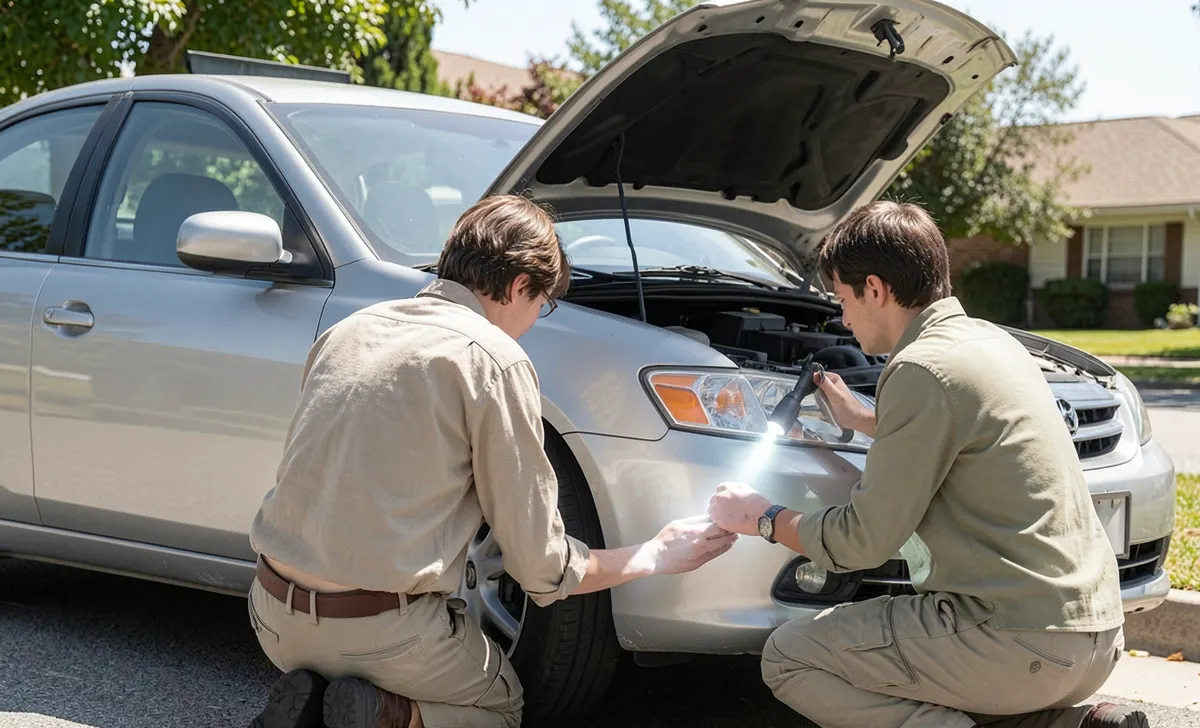
Buying a used car can feel like a smart financial move—and often it is. But let’s be honest: it also comes with real risks. You might have heard horror stories from friends or family about someone who bought a pre-owned vehicle only to discover costly engine trouble, hidden frame damage, or even safety issues that put their family at risk.
The good news? Most of those problems are avoidable. With a proper hands-on inspection and a little know-how, you can spot red flags before you sign anything. This guide walks you through exactly how to inspect a used car to make sure it’s safe, reliable, and worth your money.
Whether you’re buying from a dealership or a private seller, these steps will help you drive away with confidence.
Why a Thorough Used Car Inspection Matters More Than You Think
A car might look great in photos or under dealership lights, but looks can be deceiving. Minor dents and scratches are one thing. But underlying issues like rust on the frame, poor brake condition, or a welded roof can turn your “great deal” into a financial and safety nightmare.
Every year, thousands of used car buyers face unexpected repairs because they skipped a proper inspection. Some even end up in dangerous situations when critical safety features fail. By taking 30–45 minutes to inspect a used car properly, you can avoid breakdowns, negotiate better, and protect yourself and your passengers.
Let’s get started.
Step 1: Start With a Quick Walkaround (Exterior Inspection)
Before you even open the door, walk around the vehicle slowly. You’re looking for anything that seems off.
What to check:
- Dents and scratches – Small cosmetic issues are normal for a used car. But deep scratches or large dents may indicate poor care or previous accidents.
- Windshield and windows – Look for chips, cracks, or uneven gaps. A cracked windshield compromises structural integrity and may fail safety standards.
- Bumpers, headlights, and wheel arches – These areas take the most abuse. Check for misalignment, which could suggest a poor repair job after a collision.
A pro tip from experienced mechanics:
Inspect during broad daylight. Artificial light can hide paint mismatches and uneven textures. Run your hand gently over the paint. A genuine paint job feels smooth. An aftermarket paint job often has a rough texture or orange-peel feel. If you notice variations in paint texture or color between panels, the car has likely been repaired.
Real buyer question: “Should I walk away if I see mismatched paint?”
Not always. Minor repaints could be from a fender bender. But mismatched paint on multiple panels or the roof often means significant damage. Trust your gut.
Step 2: Get Down and Inspect the Underbody
This step is easy to skip, but it’s one of the most important. If you can’t get the car on a lift, lie down on a clean surface and look underneath with a flashlight.
What you’re looking for:
- Rust and corrosion – Surface rust on bolts or exhaust parts is normal. But flaking, deep rust across the frame is a major red flag.
- Frame damage signs – Look for uneven gaps, wavy metal, or fresh undercoating that might hide rust or repairs.
- Flood damage indicators – Heavy rain or flooding can cause rust to spread across the body and frame over time. Also, check for mud or debris in tight spots like wiring harnesses.
Excessive rust severely compromises the integrity of the frame. In a crash, a rust-weakened frame won’t protect you the way it should. If you notice rust across the main frame rails, pass on that car—no matter how low the price.
Common discussion online: “Can I fix frame rust myself?”
Technically yes, but it’s expensive and rarely worth it for most buyers. Leave frame-damaged cars to professional rebuilders.
Step 3: Check for Major Repairs and Hidden Damage
Some repairs are fine. Others are deal-breakers.
Look for:
- Welded frame sections – Modern cars are designed to crumple in specific ways. A welded frame may never perform the same in a second accident.
- Punch holes or uneven floor pans – These can indicate poorly done repairs or even odometer tampering.
- Roof condition – A redone roof often means the vehicle was toppled over or was severely damaged. Minor scratches can be ignored. A repainted or replaced roof? Walk away.
What about aftermarket installations?
Heavily modified cars with many aftermarket parts might look cool, but they also may have been driven hard. Off-road modifications, performance chips, or altered suspensions can hide rough use. Vehicles like these are more prone to accidents. While you might need car accident lawyers if something goes wrong later, it’s far better to avoid buying a high-risk vehicle in the first place.
Real user concern: “The seller says the welded frame is fine because it was done professionally.”
Maybe. But unless you have a certified mechanic’s report confirming the repair meets safety standards, assume the worst. Most personal buyers should skip welded-frame cars.
Step 4: Tyre Inspection – More Important Than You Think
Tyres are your only contact with the road. Bad tyres compromise braking, handling, and safety.
What to check:
- Tread depth – Insert a penny upside down into the tread. If you see the top of Lincoln’s head, the tyres are worn out.
- Uneven wear – Wear on one edge means alignment issues. Cupping or scalloped wear suggests suspension problems.
- Tyre age – Look for the DOT date code on the sidewall. Tyres older than 6 years should be replaced regardless of tread.
On average, tyres last from 30,000 to 40,000 kilometers before needing replacement. Ask the seller about tyre history. If the car has been driven more than 25,000 kilometers but has brand-new tyres, ask why. Sometimes it’s normal maintenance. Other times, new tyres on an older vehicle might indicate a recent accident that damaged the originals.
Pro tip: Check the spare tyre too. A flat or missing spare is a negotiating point.
Step 5: Engine and Interior – Don’t Skip the Details
Pop the hood and look for:
- Clean but not too clean – A spotless engine bay can sometimes hide leaks. Look for dried fluid residue.
- Belts and hoses – Cracks, fraying, or soft spots mean replacements are coming soon.
- Oil condition – Pull the dipstick. Black, gritty oil suggests poor maintenance.
Inside the car:
- Seatbelts – Pull them all the way out. Look for fraying, stains, or moisture (signs of flood damage).
- Airbags – Does the airbag light turn on briefly and then off? If it stays on or never lights up, there may be a problem.
- Brake pedal feel – With the engine off, pump the brake pedal. It should get firm. If it sinks, there could be a leak.
Step 6: Safety Standards a Used Car Should Meet
You don’t need to be a mechanic to check basic safety. Before you buy, confirm:
- Working seatbelts – All of them, front and back.
- Airbags – No warning lights, no signs of deployed and replaced airbags (look for mismatched dashboard textures).
- Brakes – During a test drive, brakes should stop the vehicle smoothly without pulling left or right.
- Tyres – Even wear, plenty of tread, no sidewall cracks.
- Lights – Headlights, brake lights, blinkers, and reverse lights all work.
- Frame integrity – No major rust or damage.
- Steering and suspension – No clunks, pulls, or vibrations on a straight road.
If any of these fail, either negotiate repairs or walk away.
Step 7: Get a Vehicle History Report
Even after a perfect visual inspection, you can’t see everything. That’s why you need a vehicle history report from services like Carfax or AutoCheck.
A good report will tell you:
- Previous accidents
- Flood or fire damage
- Odometer rollbacks
- Number of previous owners
- Salvage or rebuilt titles
Real buyer story: “I almost bought a car that looked perfect. The history report showed flood damage. Saved me thousands.”
Never skip this step. If a seller refuses to provide the VIN for a report, walk away immediately.
Should You Hire a Professional Car Inspection Service?
Inspecting a vehicle thoroughly takes time and experience. If you’re not confident doing it yourself, pay a professional. For a small fee (typically $100–$200), a mobile mechanic or inspection service will:
- Put the car on a lift
- Check compression, leaks, and codes
- Provide a written report
This is especially smart for expensive or older vehicles. Consider it insurance against a bad purchase.
Final Checklist Before You Buy
Use this quick summary when you’re on the lot or at a private seller’s home:
- Exterior: dents, scratches, paint texture, windshield
- Underbody: rust, frame damage, flood signs
- Major repairs: welded frame, roof damage, punched holes
- Tyres: tread depth, even wear, age, spare
- Engine and interior: leaks, belts, seatbelts, airbags
- Test drive: brakes, steering, suspension, lights
- Vehicle history report: accidents, flood, title status
- Professional inspection (if unsure)
Conclusion: A Little Effort Now Saves Big Headaches Later
Don’t rush into a used car purchase just because the price looks good or you’re tired of searching. Take the time to inspect a used car carefully—inside, outside, and underneath. Look for signs of rust, major repairs, tyre wear, and safety issues like bad brakes or missing airbags.
If you spot red flags, trust your instincts and walk away. There’s always another car. By following this guide, you’re not just avoiding a “lemon.” You’re protecting yourself, your passengers, and your wallet.
Remember: a reliable used car isn’t about luck. It’s about inspection, patience, and knowing what to look for. Drive safe.
Disclaimer: The information provided in this article is for general informational and educational purposes only. It does not constitute professional mechanical, legal, or safety advice. Vehicle conditions vary widely, and this guide is not a substitute for a certified pre-purchase inspection by a qualified mechanic. Always consult a licensed professional before making any vehicle purchase decision. The author and publisher assume no responsibility for any losses, injuries, or damages resulting from the use of this information.