When you’re running a business, getting people to notice your brand is harder than ever. Social media feeds are crowded. Email inboxes are overflowing. And your competitors are fighting for the same attention.
So how do you actually stand out?
Animation.
Not the flashy, over-the-top cartoons you might be imagining. Smart, strategic animation that grabs attention, explains your value, and sticks in people’s minds long after they’ve scrolled past.
In this guide, we’ll walk through six practical ways to use animation to advertise your business. Plus, we’ll cover which types of animation work best for different goals—so you can start creating content that truly connects.
Let’s dive in.
Why Animation Works For Advertising (Even In 2026)
Before we get into the tactics, let’s talk about why animation is so effective.
Real-world experience shows that people process visuals 60,000 times faster than text. And animated content? It captures attention within the first three seconds—which is exactly how long you have before someone scrolls away.
Here’s what readers often ask:
“Isn’t animation expensive?”
Not anymore. Between user-friendly tools and affordable motion graphics companies, you can create high-quality animation for less than a traditional TV commercial.
“Does animation work for boring industries?”
Absolutely. Animation simplifies complex topics. Whether you sell insurance, software, or industrial equipment, animation helps you explain what you do without putting people to sleep.
Now, let’s get into the six ways you can start using animation today.
1. Create An Interactive Introduction About Your Business
Your website is often the first impression potential customers have of your business. And let’s be honest—most homepage introductions are forgettable.
“We’re a leading provider of innovative solutions.” Sound familiar?
Animation changes that.
By adding an interactive introduction, you can show visitors what you do instead of just telling them. For example:
- An animated walkthrough of your facility
- A clickable product demo that responds to mouse movement
- A short brand story that unfolds as the user scrolls
One of our favorite examples comes from a small manufacturing company. Instead of listing their services, they created a simple animated tour of their factory floor. Visitors could click on different machines to see how products were made. The result? Time on site doubled, and inquiries increased by 40%.
Pro tip: Partner with a reputable motion graphics company if you don’t have in-house skills. They’ll help you map out the user journey and create smooth, professional animations that feel seamless.
2. Create Compelling Advertising Videos
Video is a powerful marketing tool—there’s no debate there. But live-action video comes with challenges: actors, locations, reshoots, and high costs.
Animated advertising videos solve those problems.
You can create:
- Animated explainer videos that break down how your product works in 60 seconds
- Fun and memorable commercials that don’t require a Hollywood budget
- Brand storytelling videos that connect emotionally without feeling salesy
Here’s what real business owners tell us: “I tried live-action video, but my product is hard to film. Animation made it easy to show the internal parts and benefits without expensive CGI.”
And the data backs this up. According to industry studies, viewers retain 95% of a message when they watch it in a video, compared to just 10% when reading it in text. Add animation into the mix, and retention climbs even higher because the visual motion keeps the brain engaged.
3. Use Animation In Your Email Marketing
Email marketing isn’t dead. But boring emails are.
If your open rates are dropping or your click-through rates are flat, animation might be the fix you need.
Here’s how to use animation in your email marketing without triggering spam filters:
- Animated GIFs – Highlight a sale, show a product from different angles, or demonstrate a feature. Keep GIFs under 5 seconds and under 1MB for fast loading.
- Animated call-to-action buttons – A subtle pulse or color shift on your “Shop Now” or “Learn More” button can increase clicks by 26%.
- Animated email headers – Make your brand feel alive without overwhelming the reader.
One caveat: Don’t overdo it. Too much movement feels chaotic. Stick to one animated element per email, and always include a static fallback for email clients that don’t support animation.
A common reader question: “Will animation get my email flagged as spam?”
Generally, no, as long as you’re using reputable email software and your content is valuable. The bigger risk is poor design, not the animation itself.
4. Use Animation On Your Social Media Pages
Social media platforms are built for motion. That’s why static images get less reach than they did five years ago.
Using animation on your social media pages helps you:
- Stop the scroll with eye-catching movement
- Explain a product feature in a few seconds
- Reinforce brand personality with consistent animated elements
Here are specific ideas that work right now:
- Animated quote graphics – Take a customer testimonial and animate the text appearing word by word.
- Product reveals – Use a quick whiteboard animation style to “draw” your product onto the screen.
- Behind-the-scenes animations – Show how something is made using simple motion graphics.
And don’t forget about ads. Animated social ads consistently outperform static image ads on platforms like Instagram, LinkedIn, and TikTok. Why? Because movement signals to the algorithm that your content is engaging.
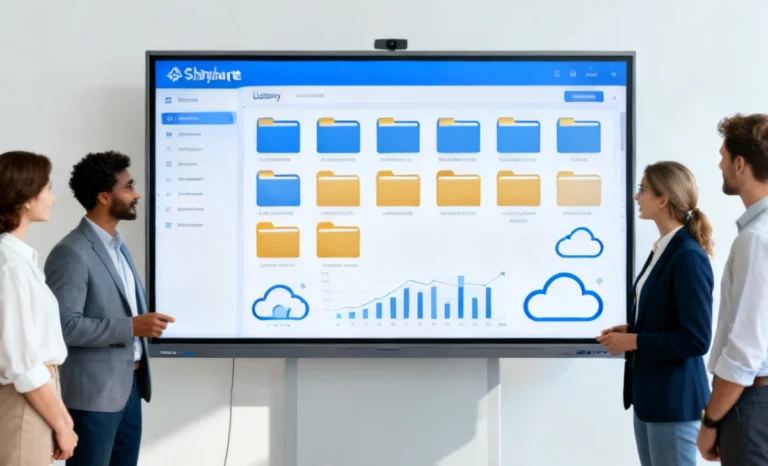
5. Create An Animated Presentation About Your Business
PowerPoint is fine. But an animated presentation is memorable.
Whether you’re pitching investors, onboarding new clients, or presenting at a team meeting, animation helps you stand out from the competition without saying a word.
What does an animated presentation look like?
- Your slides transition smoothly instead of cutting abruptly
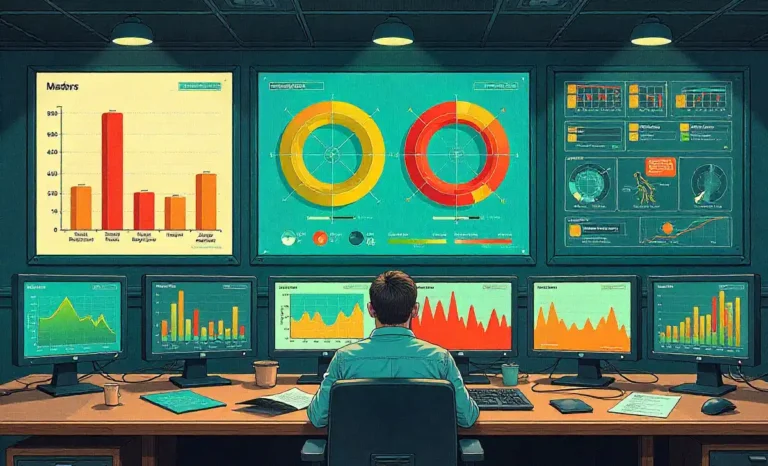
- Data visualizations animate to guide the viewer’s eye
- Icons and illustrations move slightly to reinforce key points
- A short animated intro sets the tone before you speak
You don’t need to animate every slide. Even 20-30% animated elements make the presentation feel polished and professional.
One founder told us, “I used a simple animated presentation for a funding pitch. The investors mentioned it specifically—they said it showed we cared about details. We got the funding.”
6. Use Animation In Your Trade Show Booths
Trade shows are expensive. Booths, travel, staff time, printed materials—it adds up fast. So if you’re exhibiting, you need to grab attention immediately.
Animation in your trade show booth does exactly that.
Here’s what works:
- A large video wall running a loop of animated product demos
- An interactive touchscreen where visitors can “build” their ideal solution
- A short animated brand story playing on a repeat loop
- Motion graphics on digital signage that change based on foot traffic patterns
The goal isn’t to be loud. It’s going to be interesting. Animation draws people in because it’s unexpected. While other booths rely on static banners and brochures, your animated display says, “Come look at this—something is happening here.”
What Types Of Animation Are Most Effective For Advertising?
Not all animation is created equal. Based on real campaign results, here are three types that consistently perform well.
Motion Graphics
Why they work: Motion graphics blend text and imagery seamlessly. They’re perfect for explaining data, walking through a process, or reinforcing a brand message without characters or dialogue.
Best for: Explainer videos, social media ads, email headers, and trade show displays.
Real-world example: A SaaS company used motion graphics to show how their software reduced manual data entry. The video increased trial signups by 34%.
Character Animation
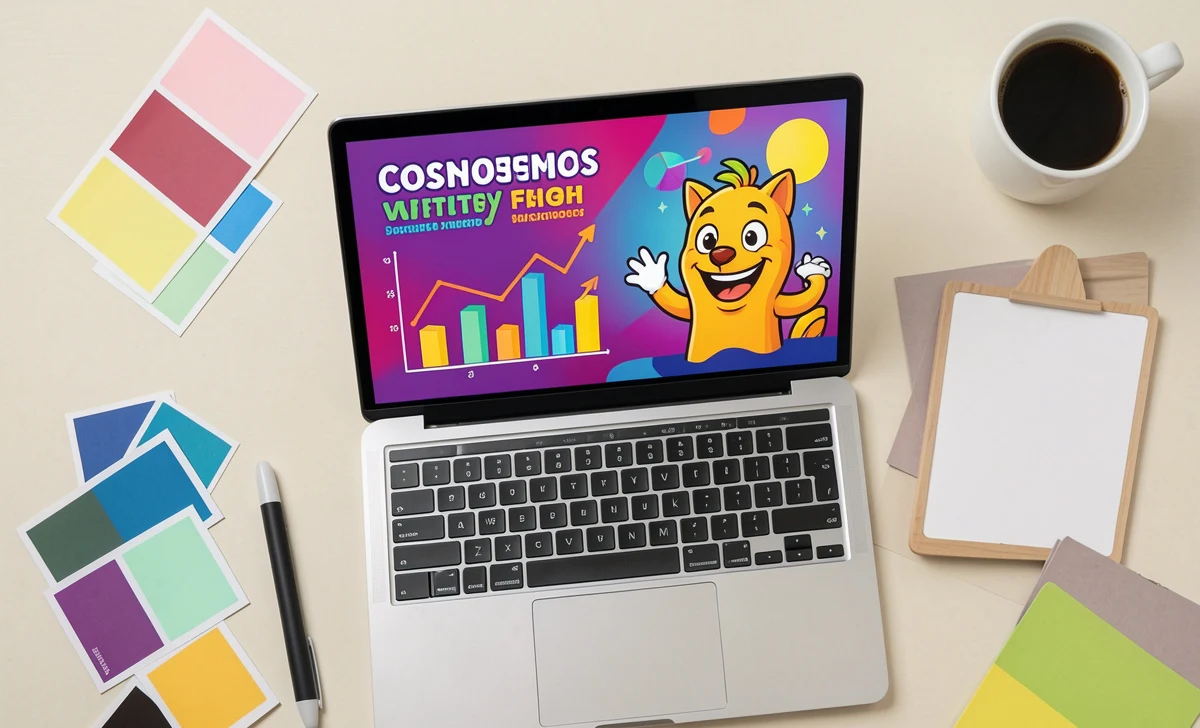
Why it works: Characters inject personality into your brand. They create an emotional connection that live actors sometimes can’t. People remember characters—think of the Geico gecko or the Michelin man.
Best for: Brand storytelling, commercials, and content aimed at younger audiences or consumer products.
Real-world example: A small bakery created an animated mascot (a cheerful rolling pin) for their Instagram Reels. Engagement tripled within two months.
Whiteboard Animation
Why it works: The hand-drawn style feels simple, authentic, and educational. It lowers defenses because it doesn’t feel like a polished ad—it feels like someone explaining something honestly.
Best for: Educational content, step-by-step tutorials, and complex product explanations.
Real-world example: A financial advisory firm used whiteboard animation to explain how compound interest works. The video became their most-shared piece of content all year.
Which Animation Style Should You Choose?
The right choice depends on your specific goals:
| If you want… | Choose… |
|---|---|
| To explain a complex concept quickly | Whiteboard animation |
| To build brand personality and emotional connection | Character animation |
| To present data or professional services | Motion graphics |
| To create a fun and memorable commercial | Character + motion graphics combined |
And here’s an insider tip: You don’t have to pick just one. Many successful campaigns use motion graphics for the main message and character animation for short, punchy social cuts.
Final Thoughts
Animation isn’t just for big brands with huge budgets anymore. Whether you’re a solo entrepreneur, a local service provider, or a growing ecommerce store, animation helps you stand out from the competition in ways that static content simply can’t.
Start small. Try an animated GIF in your next email. Create a 15-second animated explainer video for your product page. Or add subtle motion graphics to your website’s hero section.
The businesses that win today are the ones that communicate their message uniquely and memorably. Animation gives you that edge—without breaking the bank or requiring a film degree.
So pick one tactic from this list. Test it. Measure the results. And then try the next one.