If you’ve ever traded stocks, cryptocurrencies, or forex, you already know how quickly things can change. One moment you’re up, the next moment a single headline sends prices tumbling. That emotional rollercoaster isn’t just stressful—it’s expensive.
This is where algorithmic trading (often called algo trading) enters the picture. Simply put, algorithmic trading means using a computer program to execute trades on the stock market or other financial markets. These programs follow predetermined rules you set in advance. They don’t get scared, greedy, or tired. And they can execute trades in milliseconds.
But is algorithmic trading really right for you? What actual algorithmic trading benefits can you expect? And what about the downsides that no one likes to talk about?
Let’s break it all down, step by step, so you can decide whether automated trading software deserves a place in your investing routine.
What Exactly Is Algorithmic Trading?
Before diving into the advantages, let’s clarify what algorithmic trading actually is.
Algorithmic trading uses computer code to automatically place buy or sell orders based on a specific set of rules. These rules might include price levels, timing, volume, or even complex mathematical models. The moment market conditions match your rules, the program acts—without waiting for you to click a button.
This approach is common in stock market trading, but it’s also used in crypto profit-sharing arrangements, forex, commodities, and options trading.
The goal is simple: remove human hesitation and emotion from the equation while improving speed and consistency.
Why So Many Traders Are Switching to Algo Trading
Let’s be honest—trading is hard. Even experienced investors make mistakes when fear or greed takes over. That’s precisely why algorithmic trading has grown so popular in recent years. The algorithmic trading benefits go far beyond just automation.
Below are the real, practical benefits you can expect when you start using stock market algorithms.
1. Zero Emotion Equals Fewer Irrational Mistakes
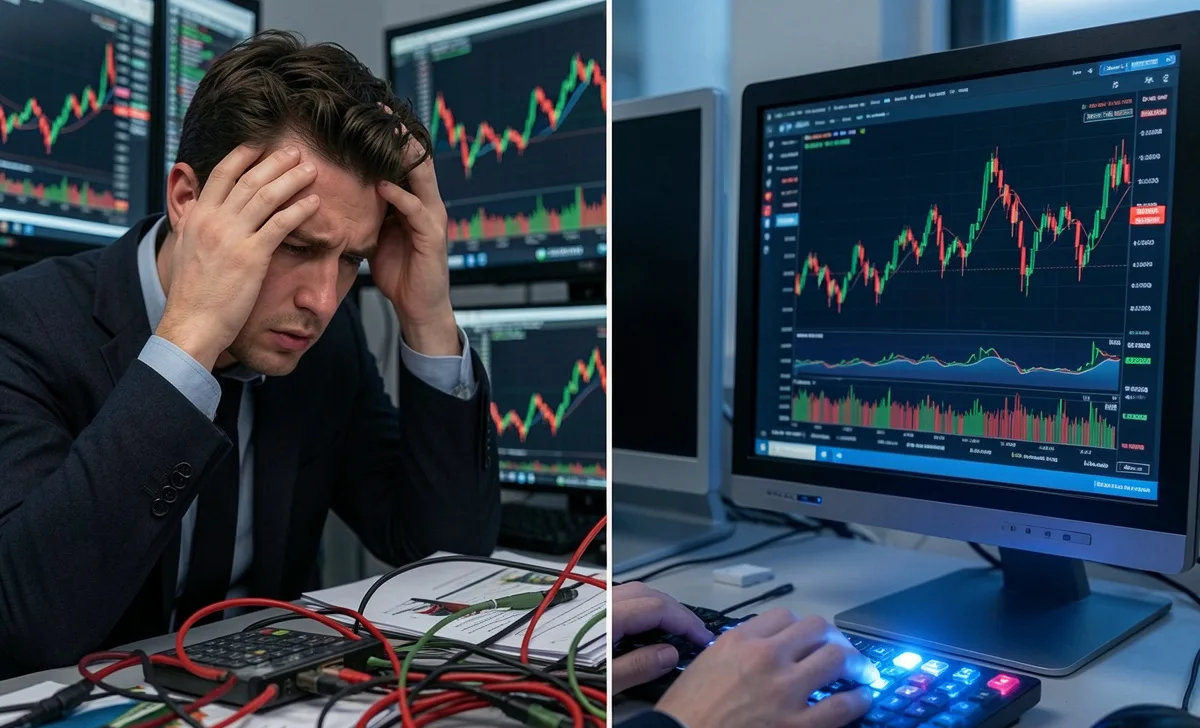
Think about the last time you sold a stock in a panic—only to watch it rebound a day later. Or maybe you held onto a losing position for too long because you couldn’t admit you were wrong.
An algorithmic trading system has no emotions. It doesn’t care about overnight stock price movements or what an analyst on TV just said. It follows the rules you programmed, nothing more, nothing less.
For traders who struggle with impulsive decisions, this alone can be life-changing. The program won’t revenge-trade after a loss. It won’t chase a pump. It simply executes your strategy consistently.
2. More Consistent Profits Over Time
No trading system wins 100% of the time. But algorithmic trading helps smooth out your results by sticking to a proven plan.
When you let emotions guide your trading, your returns become unpredictable. You might win big one month and lose even bigger the next. With an algorithmic trader, your performance becomes more tied to your strategy’s actual edge—not your mood.
That leads to more consistent and predictable profits. And for serious investors, consistency matters far more than a single lucky trade.
3. Backtesting: See How Your Strategy Would Have Performed
Here’s something you simply cannot do with manual trading: backtesting.
Backtesting allows you to test your algorithm trading system on historical data. You can see exactly how your rules would have performed over months or even years of past market activity.
For example, you might discover that your strategy works beautifully in trending markets but gets crushed during high volatility. Without backtesting, you’d only learn that after losing real money.
By refining your automated trading software through backtesting, you can enter live markets with far more confidence.
4. Better Time Management for Busy People
Let’s face it—most of us cannot sit in front of a computer screen all day watching every price tick. You have a job, a family, errands, and a life.
Once you set up your algorithmic trading system, it does the work for you. You can go about your day while the program monitors the markets, enters trades, and manages exits.
Stock market algorithms free up your time because you no longer have to be glued to your screen waiting for opportunities. That’s a huge advantage for anyone who wants to trade without becoming a full-time trader.
5. Instant Reactions to Sudden Market Changes
You cannot function 24/7. You need sleep, food, and breaks. Computers do not.
Algorithmic trading continues working while you’re away. If sudden market changes occur at 2 AM—perhaps a major economic announcement or a flash crash—your program can react immediately.
This is especially valuable in crypto and forex markets that trade around the clock. By the time you wake up, your algorithmic trading system may have already protected your capital or captured a profitable move.
6. Built-In Risk Prevention
One of the most underrated algorithmic trading benefits is risk management.
With manual trading, it’s easy to tell yourself, “I’ll just hold a little longer.” That small delay can turn a manageable loss into a devastating one.
When you algo trade, you can set hard rules to limit your risk. For example:
- Automatically sell a stock when it drops 5% (a stop-loss)
- Exit a position if volatility exceeds a certain level
- Reduce position size after a losing streak
These automatic protections help you prevent big losses if the stock market turns against you unexpectedly.
7. Improved Trade Execution
Have you ever placed a manual trade, only to get filled at a much worse price than expected? That happens because markets move fast.
Algorithmic trading improves execution by acting instantly when your conditions are met. You can set your desired price, and the program works to get you filled as close to that level as possible.
For active traders, better execution directly improves profitability. Even a fraction of a percent per trade adds up over hundreds of transactions.
8. Lower Overall Costs
This one surprises many beginners. How can software save you money?
Algorithmic trading can reduce your trading costs in several ways. First, many brokers offer lower commissions for automated trading because it reduces their manual processing overhead. Second, by improving execution quality, you lose less to slippage. Third, some algorithmic trading platforms offer discounts for high-volume users.
Over time, those savings can be significant—especially for frequent traders.
Real Questions and Concerns Traders Have
If you’re reading this, you’re probably asking yourself a few honest questions. Let’s address them directly.
Isn’t algorithmic trading only for big hedge funds?
Not anymore. Retail traders now have access to affordable and even free algorithmic trading platforms. You don’t need millions of dollars or a PhD in computer science.
Do I need to know how to code?
Not necessarily. Many modern platforms offer drag-and-drop strategy builders. That said, learning basic coding (like Python) does give you more flexibility and control.
Can I lose money faster with automation?
Yes—and this is important. Algorithmic trading can amplify losses just as easily as it amplifies gains. If your strategy is flawed, automation will execute that flawed strategy perfectly every time. Always test thoroughly before going live.
The Honest Drawbacks of Algorithmic Trading
No trading tool is perfect. Being aware of the risks will save you from painful surprises. Even with all the algorithmic trading benefits we’ve discussed, you must understand the downsides.
Market Volatility Can Break Simple Algorithms
Some algorithms struggle to adapt swiftly to sudden market fluctuations. A strategy that works beautifully in calm conditions may fall apart during a crash or a volatility spike. This can lead to unexpected losses.
Technical Glitches Happen
Software malfunctions, connectivity issues, or even a power outage can disrupt your algorithmic trading system. In worst-case scenarios, you might experience unintended trades or missed opportunities while you’re unaware.
Over-Optimization Is a Real Trap
Over-optimization means fine-tuning your algorithm to fit historical data perfectly. While backtesting is valuable, excessive tweaking can lead to poor performance in real-market conditions. The market never repeats itself exactly.
Model Assumptions Can Become Invalid
All algorithms are built on assumptions—about market behavior, liquidity, volatility, and more. If market dynamics change, those assumptions may become invalid. Your once-profitable strategy might suddenly stop working.
Cybersecurity Threats Are Increasing
As trading becomes more digital, the risk of cyber attacks on algorithmic systems grows. A hacked account or compromised API key could be disastrous. Always use strong security practices.
Lack of Human Intuition
Algorithms lack the human touch. They cannot navigate unprecedented events that require intuitive decision-making. During the COVID-19 crash, for example, many algorithms sold aggressively while human traders recognized a once-in-a-decade buying opportunity.
Some Programs Neglect Urgent News
Here’s a real problem: one piece of breaking news might make you want to delete your entire stock market strategy. But your algorithmic trader might miss that information completely and keep trading, spending your resources on doomed positions.
Algo Trading Software Often Needs Updates
The stock market changes every day. New trading programs, updated exchange rules, and shifting volatility regimes mean you cannot simply “set and forget” your system. You need to regularly review and update your algorithms.
Quality Programs Can Be Expensive
If you want to trade with a top-of-the-line program, be prepared to pay. Some professional automated trading software costs thousands of dollars. For smaller investors, that might not be feasible—at least not at the start.
Final Thoughts: Is Algorithmic Trading Right for You?
Algorithmic trading can genuinely boost your profits and free up your time. But it’s not a magic money printer. Success requires:
- A well-tested trading strategy
- Realistic expectations (no 100% win rates)
- Ongoing monitoring and updates
- Strong risk management
If you’re willing to put in the work, algorithmic trading is a powerful tool for stock market investing. Start small, backtest thoroughly, and never risk more than you can afford to lose.
Disclaimer: This article is for informational and educational purposes only and does not constitute financial, investment, or trading advice. Algorithmic trading involves significant risk of loss, including the potential loss of your entire capital. Past performance from backtesting does not guarantee future results. Market conditions, technical glitches, and unforeseen events can negatively impact automated strategies. Always consult with a qualified financial advisor and conduct your own research before using any trading software or making investment decisions. The author and publisher are not responsible for any financial losses incurred as a result of using the information provided.