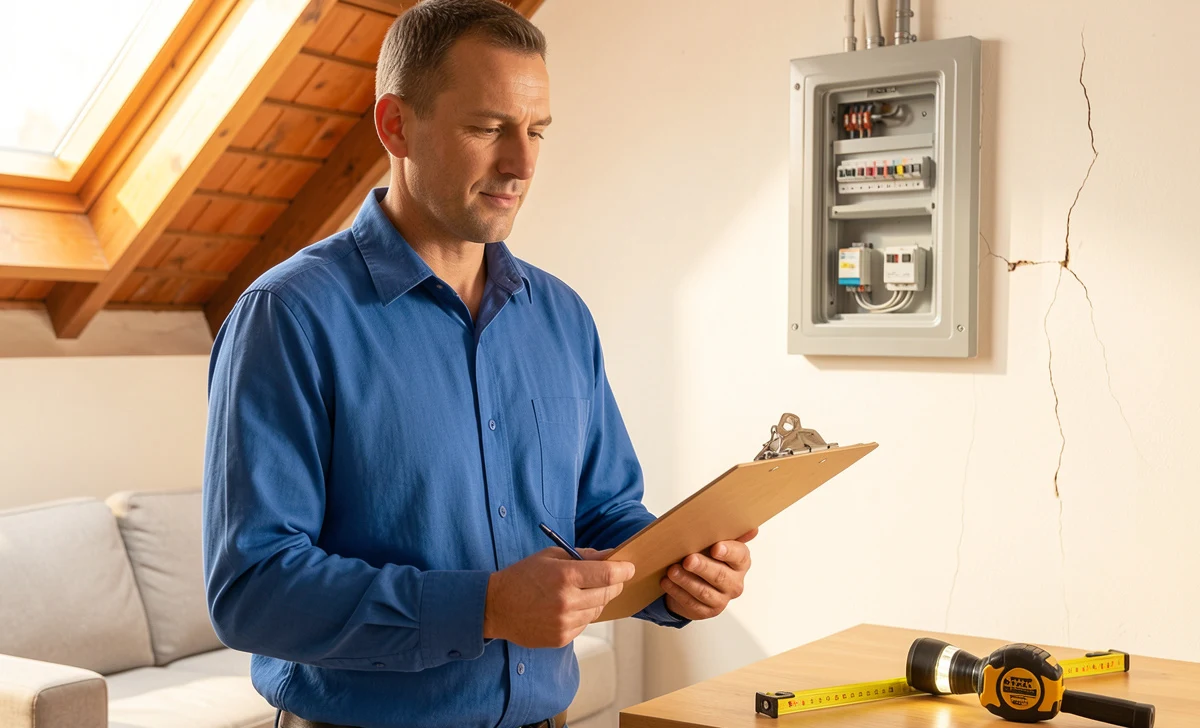
Buying a home? Renting out a property? Or maybe you’ve been living in your house for years and want to stay ahead of costly repairs. Whatever your situation, one thing remains clear: a property inspection is not something you want to skip.
I’ve spoken with many home buyers and landlords over the years who thought they could “eyeball” a property and spot issues themselves. Almost all of them regretted it later. The truth is, even experienced real estate agents miss critical problems. That’s why hiring a professional house inspector is one of the smartest investments you can make. Below, I’ll break down the top property inspection reasons every buyer and landlord should understand.
In this guide, I’ll walk you through eight compelling reasons to schedule a home inspection—whether you’re buying, selling, or already own property. Along the way, I’ll answer common questions like “What does a home inspection actually cover?” and “Can an inspection help me negotiate a lower price?”
Let’s dive in.
1. Uncover Hidden Safety Problems Before Someone Gets Hurt
Here’s a question I hear often: “The house looks fine. Do I really need an inspection?”
Yes. Absolutely. One of the most critical property inspection reasons is protecting your family’s health and safety.
Safety issues aren’t always visible to the untrained eye. A thorough home inspection digs deep to uncover hazards that could put your family or tenants at risk. Professional inspectors check:
- Electrical wiring – Faulty wiring, overloaded panels, or outdated systems (like knob-and-tube wiring) are fire hazards.
- Plumbing – Leaks, poor water pressure, or even sewage backups can create health risks.
- Radon gas – This odorless, colorless gas is the second leading cause of lung cancer. You’d never know it’s there without testing.
- Mold assessment – Mold isn’t just ugly; it triggers allergies, asthma, and respiratory issues.
One homeowner I worked with almost bought a charming older house. The inspection revealed dangerous levels of radon and hidden mold behind the basement drywall. The seller hadn’t known either. Fixing those problems would have cost over $15,000. The buyer walked away and found a safer home.
Bottom line: A few hundred dollars for an inspection is nothing compared to medical bills or fire damage.
2. Forecast Future Expenses So You’re Never Blindsided
Buying a home is likely the largest investment you’ll ever make. But too many people only think about the purchase price and the monthly mortgage. What about the roof that’s 20 years old? Or the HVAC system that’s already struggling?
A quality home inspection doesn’t just tell you what’s broken now. It helps you predict what will need replacement or an upgrade soon. This is another key property inspection reason that seasoned investors swear by.
Inspectors evaluate:
- Appliances – Age, performance, and remaining lifespan
- Air conditioning systems – Cooling efficiency and potential failure points
- Plumbing and windows – Leaks, seals, and energy loss
- Heating systems – Furnace or boiler condition
- Roof life expectancy – Shingle wear, flashing issues, and estimated years left
Let me give you a real example. A friend bought a condo without an inspection to save money. Six months later, the AC died in July. Then the water heater leaked. Then the windows fogged up from failed seals. Total cost? Nearly $12,000. A pre-purchase inspection would have flagged all of those as “near end of life.” She could have negotiated repairs or walked away.
Regular home inspections for your current property work the same way. You’ll know exactly when to start budgeting for a new roof or replacement appliances.
3. Use the Inspection Report as a Powerful Negotiating Tool
Here’s something many first-time buyers don’t realize: a home inspection report isn’t just for your knowledge. It’s leverage.
Once you receive the report, you have several options:
- Ask for a price reduction – If major issues exist, request a lower sale price to cover repairs.
- Request repairs before closing – The seller fixes the problems on their dime.
- Walk away – If the inspection reveals deal-breakers, you can cancel the contract (contingent on your purchase agreement).
Of course, sellers don’t have to agree. In a hot market, some may refuse. But most reasonable sellers will negotiate because they know the next buyer will find the same issues.
Even if the seller says no, you still win. You’re making an informed decision rather than buying blind.
One couple I know used their inspection report to knock $8,000 off the asking price because the furnace and water heater were both past their prime. The seller agreed rather than relisting the home. That’s money straight back in the buyer’s pocket.
4. Satisfy Insurance Requirements and Avoid Coverage Denials
This reason surprises a lot of people. Did you know some insurance companies may refuse to insure a house based on certain conditions?
Common red flags include:
- Old or faulty electrical systems
- Roof damage or age beyond 20–25 years
- Plumbing issues like lead pipes or polybutylene piping
- Absence of a wind mitigation certificate in hurricane-prone areas
A wind mitigation certificate verifies that your home has features to resist wind damage—things like reinforced roof decking, hurricane straps, and impact-resistant windows. Without it, you could pay significantly higher premiums or be denied coverage altogether.
A qualified home inspector knows what insurance companies look for. They can help you document everything needed to get homeowners’ insurance without headaches.
And here’s a pro tip: Even if you already own a home, periodic inspections can keep your coverage valid. If a problem develops and you never fix it, an insurance adjuster could deny a future claim.
5. Identify Maintenance Issues Before Your Property Depreciates
Landlords, this one is for you.
If you own rental properties, you can’t rely on tenants to report maintenance issues. Most renters won’t say a word unless something directly affects their comfort—like no hot water or a broken toilet. Small leaks? Cracks? Peeling paint? They often ignore it.
That’s a mistake. Ignoring maintenance causes property value to depreciate fast. Understanding property inspection reasons like this can save landlords from costly surprises.
Schedule regular inspections for your rentals to:
- Identify repairs early (before they become expensive)
- Check for tenant-caused damage
- Ensure appliances and systems are still functioning
- Preserve your property’s market value
I’ve seen landlords lose tens of thousands because they skipped annual inspections. A slow roof leak turns into mold and rotten framing. A neglected HVAC system fails in summer, and you’re paying emergency repair rates.
If you use a property management company—say, property management in Aurora, CO or any other city—make sure they include regular inspection reports as part of their service. Don’t assume they’re doing it.
6. Find Structural Problems Before They Become Financial Nightmares
A home’s structure is literally what holds everything together. Yet structural damage is surprisingly easy to miss.
Common signs include:
- Cracks in the ceiling or walls (especially horizontal or stair-step cracks)
- Doors and windows that stick or won’t close properly
- Sagging floors or roof lines
- Bowing basement walls
Not every crack means your house is falling. Some are normal settling. But a professional engineer or home inspector can tell the difference.
If structural problems go undetected, repair costs can spiral into the tens or even hundreds of thousands of dollars. Foundation repair alone averages $5,000–$15,000, and complex cases go much higher.
One buyer I spoke with almost purchased a beautiful farmhouse. The inspection revealed a cracked foundation beam and improper supports in the crawl space. The seller had no idea. The buyer walked away, relieved she hadn’t inherited a $30,000 problem.
Don’t skip this. Your future self will thank you.
7. Determine Possible Insect or Pest Issues Before They Spread
Depending on where you live, pests and insects can quietly destroy your property from the inside out.
The most common culprits include:
- Termites – They eat wood framing, floors, and even furniture. Most insurance doesn’t cover termite damage.
- Wood-boring insects – These leave tiny holes and sawdust-like frass.
- Carpenter ants – They don’t eat wood but burrow into it to nest, weakening structures over time.
- Powder post beetles – They turn wood into fine powder.
Here’s an important note: not all home inspections include pest inspections. Standard inspections focus on structure, electrical, plumbing, and HVAC. You may need to hire a separate pest inspection company.
Always ask your real estate agent if the property has been checked for possible infestation. In some states, pest inspections are required for certain loan types (like VA loans).
I’ve seen termite damage so bad that entire wall sections had to be replaced. The repair bill? Over $20,000. A $150 pest inspection would have caught it early.
8. Ensure Tenants Follow the Rules (Without Conflict)
This final reason applies directly to landlords and property managers.
When you rent out a property, you should have a clear rental agreement that outlines rules and regulations. But how do you know tenants are actually following them? You inspect.
Regular property inspections help you verify that tenants:
- Aren’t making illegal modifications (like removing smoke detectors or knocking down walls)
- Haven’t moved in extra occupants or pets without permission
- Aren’t causing damage beyond normal wear and tear
- Are you maintaining basic cleanliness to prevent pest issues or mold
Tenants who know inspections happen are far less likely to violate their lease. It sets clear expectations and protects your investment.
One landlord told me he discovered a tenant had installed a second washer and dryer without permission—and had caused a slow water leak that rotted the subfloor. The inspection caught it before the floor collapsed.
Remember, inspections aren’t about spying. They’re about protecting your property and ensuring a safe, fair environment for everyone.
Final Thoughts: Don’t Skip the Inspection
A property inspection isn’t an unnecessary expense. It’s one of the smartest, most practical steps you can take—whether you’re buying a home, selling one, or managing rentals. Hopefully, these property inspection reasons have given you a clear picture of why this step is non-negotiable.
To recap, here’s what a home inspection reveals:
- Safety problems like mold, radon, carbon monoxide, and electrical hazards
- Future costs for roof replacement, appliance upgrades, and system repairs
- Negotiation leverage to lower the price or request fixes
- Insurance requirements, including wind mitigation certificates
- Maintenance issues before the property depreciates
- Structural damage, like foundation cracks and sagging floors
- Pest infestations from termites, carpenter ants, and beetles
- Tenant rule violations to protect your rental investment
Find a qualified home inspector with good reviews and proper certifications. Ask questions. Read the full report carefully. And never let excitement or pressure push you into waiving an inspection.
A few hundred dollars today could save you tens of thousands tomorrow. That’s not an expense—that’s an investment in peace of mind.
Disclaimer: This article is for informational purposes only and does not constitute professional advice. Home inspection requirements, insurance policies, local building codes, and pest regulations vary by location. Always consult a qualified, licensed home inspector, professional engineer, insurance agent, or legal professional before making property-related decisions. The author and publisher are not liable for any damages or losses arising from the use of this information.