
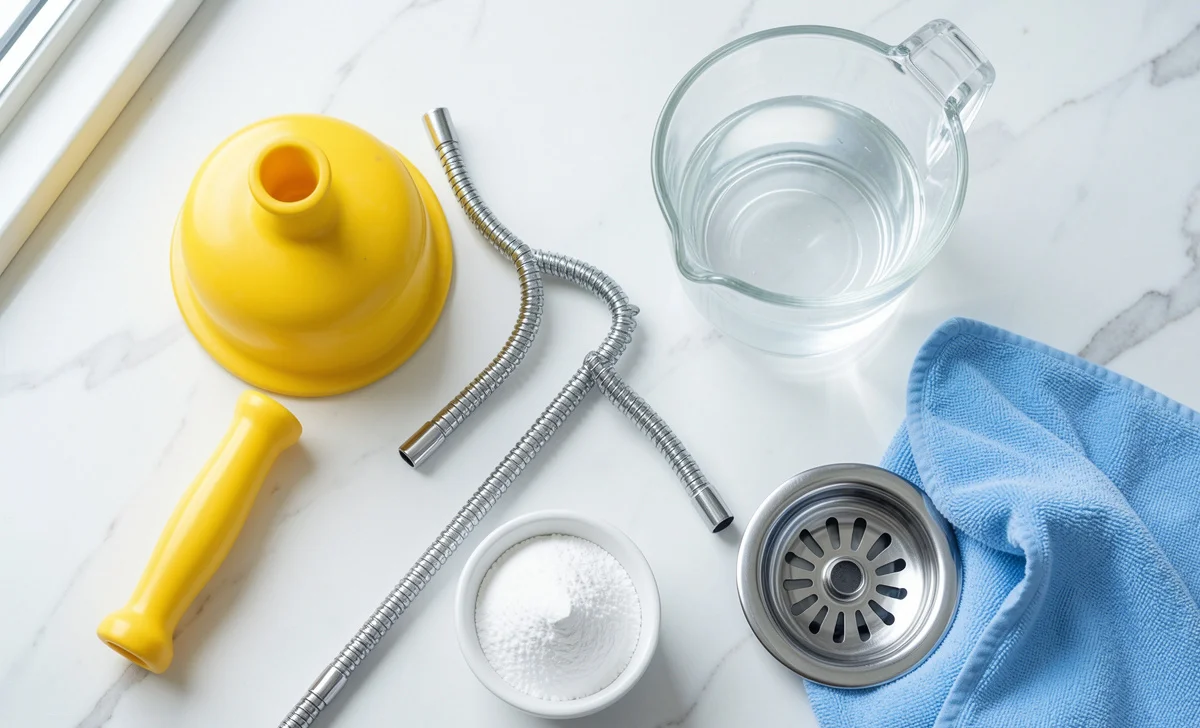
There are few things more frustrating than stepping into the shower ready to start your day, only to find yourself standing in a pool of murky, cold water that refuses to go down the drain. You wait a few minutes, hoping it will clear on its own, but the water just sits there—or worse, it starts creeping toward the edges of the shower floor.
If this scenario sounds familiar, you’re not alone. A clogged bathroom drain is one of the most common household plumbing issues people face. The good news? Most bathroom drain clogs are completely fixable without calling a plumber or spending money on expensive tools. In fact, with the right approach, you can clear a blocked drain in under 30 minutes using items you probably already have in your kitchen.
Learning how to unclog a bathroom drain yourself can save you time, money, and the inconvenience of waiting for a professional. This guide walks you through everything you need to know about unclogging bathroom drains—from understanding what causes the blockage in the first place to step-by-step methods that actually work. Whether you’re dealing with a slow-draining sink or a completely backed-up shower, you’ll find practical solutions here.

Why Your Bathroom Drain Keeps Clogging
Before jumping into solutions, it helps to understand what you’re dealing with. Bathroom drains are different from kitchen drains. While kitchen sinks typically battle grease and food particles, bathroom drains fight a completely different enemy: hair and soap scum.
Every time you shower or wash your face, tiny strands of hair wash down the drain. Individually, these strands are harmless. But over time, they wrap around each other and catch other debris, forming a dense mass that water can’t pass through. Soap scum makes matters worse by creating a sticky surface that catches even more hair and debris.
According to plumbing professionals, hair is responsible for nearly 90% of bathroom drain clogs in households with multiple people. The problem compounds when you factor in products like shampoo, conditioner, and body wash, which leave residue that hardens inside pipes over time.
Sometimes, however, the issue runs deeper. If you notice multiple drains in your home behaving slowly at the same time, or if you hear gurgling sounds from other fixtures when you run water, you might be dealing with a main sewer line issue rather than a simple localized clog. In those cases, professional help becomes necessary.
Before You Start: Quick Signs You Can Handle It Yourself
Not every clog requires a plumber. Here’s how to know if you can successfully unclog a bathroom drain on your own:
- Water drains slowly, but eventually goes down
- Only one fixture is affected (just the shower, just the sink)
- You can see visible hair near the drain opening
- The problem started gradually over time
On the flip side, call a professional if:
- Water backs up into other fixtures when you flush or run water
- You smell a sewage odor coming from the drains
- Multiple drains are slow throughout the house
- You’ve tried DIY methods, and nothing worked
Method 1: Start With Boiling Water
Sometimes the simplest solution is the most effective. Boiling water works wonders on soap scum and grease-based buildup. The heat helps melt and loosen the sticky residue that traps hair and debris against pipe walls.
To try this method:
- Boil a full kettle of water
- Carefully pour it directly down the drain in two or three stages, allowing the water to work for a few seconds between pours
- Wait a few minutes, then run hot tap water to see if drainage improves
This method works best as maintenance rather than emergency unclogging. If you do this weekly, you’ll prevent soap scum from building up to problem levels in the first place.
Important note: If you have PVC pipes, boiling water is generally safe in small amounts, but avoid pouring multiple kettles at once, which could soften pipe joints over time.
Method 2: The Plunger Technique
Most people own a plunger but rarely think to use it on bathroom drains. The truth is, a plunger creates powerful suction and pressure that can dislodge hair clogs and push them through the system.
For best results:
- Remove the drain cover if possible
- If there’s a visible stopper mechanism, take it out completely
- Run enough water to cover the plunger cup
- Seal the plunger completely over the drain opening
- Push down firmly, then pull up sharply—maintain the seal throughout
- Repeat 15–20 times rapidly, then break the seal with a quick pull
A trick professional plumbers use: apply a thin layer of petroleum jelly around the plunger rim before starting. This creates a better seal and improves suction dramatically.
If you have a double-basin sink, you’ll need to plug the other drain opening with a wet rag while plunging, or the pressure will escape through the other side.
Method 3: The Vinegar and Baking Soda Reaction
This classic combination gets talked about constantly, and for good reason—it works on many clogs without introducing harsh chemicals into your plumbing. The chemical reaction between baking soda (a base) and vinegar (an acid) produces carbon dioxide gas that creates pressure and agitation inside the pipe, helping break down organic matter.
Here’s the proper way to do it:
- Remove standing water from the sink or tub as much as possible
- Pour one full cup of baking soda down the drain
- Follow immediately with one cup of white vinegar
- Immediately cover the drain opening with a plug or a wet rag to trap the gas inside
- Wait 30 minutes to an hour—you’ll hear fizzing and bubbling as the reaction works
- Flush with a kettle of boiling water
This method works especially well for clogs caused by organic buildup, like soap and hair. It also leaves your drain smelling fresh and clean afterward.
One caution: this mixture creates pressure inside pipes. If you have an older plumbing system or suspect a complete blockage, use this method carefully, as pressure could potentially find weak spots.
Method 4: The Drain Snake or Zip-It Tool
When hair is the primary culprit, nothing beats physically removing it. A drain snake—also called a plumber’s snake or auger—is a flexible metal cable with a corkscrew end that grabs hair and pulls it out.
For bathroom sinks and showers, you don’t need a heavy-duty tool. A simple plastic drain snake or a $3 Zip-It tool from any hardware store works perfectly.
Steps to use a Zip-It tool:
- Insert the barbed plastic strip into the drain as far as it will go
- Twist gently to catch hair
- Pull it out slowly—you’ll likely see a disgusting but satisfying mass of hair wrapped around the barbs
- Repeat until the tool comes out clean
- Run hot water to flush remaining debris
For deeper clogs, a traditional snake works better:
- Insert the cable into the drain while turning the handle clockwise
- When you feel resistance, you’ve hit the clog
- Continue turning to catch the hair, then pull it back out
- Repeat until water flows freely
Many people worry about damaging pipes with a snake, but if you’re gentle and avoid forcing the cable, it’s perfectly safe for metal and PVC plumbing.
Method 5: Remove and Clean the Drain Stopper
This method surprises people because they don’t realize the stopper itself can be the problem. Many bathroom sink drains use pop-up stoppers or lift rods that collect hair right at the drain opening.
Here’s what to do:
- Look under the sink and find the horizontal rod connected to the vertical lift rod
- Loosen the nut holding this rod and pull the rod out
- Lift the stopper out of the drain from above
- Clean off all the hair and gunk wrapped around it
- Reassemble and test
For tub drains with toe-tap stoppers or lift-and-turn covers, these usually unscrew by hand or with a quarter-turn counterclockwise. Clean underneath and replace.
You’ll be shocked at how much hair collects right there, and removing it often solves the problem immediately.
Method 6: Wet-Dry Vacuum Trick
If you own a wet-dry vac (shop vacuum), you have a powerful unclogging tool. Set it to liquids, create a tight seal over the drain, and let the vacuum pull the clog backward out of the pipe.
To do this:
- Set your vacuum to wet mode and remove the filter if necessary
- Use a rag to create a seal around the vacuum hose and drain opening
- Turn on the vacuum and let it run for 30–60 seconds
- You’ll hear when it pulls the clog free
- Check the vacuum tank for the removed debris
This method works exceptionally well because it doesn’t push the clog deeper—it pulls it out completely. Just be prepared for the unpleasant sight of what’s been living in your drain.
Method 7: Chemical Drain Cleaners (Use With Caution)
Let’s address the elephant in the room. Chemical drain cleaners like Drano or Liquid-Plumr line store shelves for a reason—they work quickly and require minimal effort. But they come with real downsides that many manufacturers don’t highlight.
The pros:
- Fast-acting, often clearing clogs in 15–30 minutes
- No physical effort required
- Available everywhere
The cons:
- Generate heat that can soften PVC pipes over time
- Corrode metal pipes with repeated use
- Dangerous if splashed on skin or in eyes
- Create toxic fumes
- Kill beneficial bacteria in septic systems
- Environmental harm when washed into water systems
If you choose chemical cleaners, use them sparingly. Never mix different products, always ventilate the area, and wear gloves and eye protection. Some modern enzymatic drain cleaners offer a safer alternative—they use bacteria and enzymes to eat organic waste without heat or harsh chemicals.
Preventing Future Clogs
Once you’ve cleared your drain, keeping it flowing takes minimal effort. Here’s what actually works long-term:
Install drain covers or strainers. These cost under five dollars and catch hair before it enters your pipes. Clean them after every shower—it takes five seconds and saves hours of frustration later.
Hot water flush weekly. Pour boiling water down each bathroom drain once a week. This melts soap scum before it hardens and keeps pipes clear.
Monthly baking soda treatment. Even without vinegar, pouring half a cup of baking soda down drains followed by hot water helps maintain neutral pH and prevents odor-causing buildup.
Be mindful of what goes down. Hair belongs in the trash, not the drain. Try brushing hair before showering to remove loose strands. Consider a hair catcher that sits inside the drain rather than on top—these catch more without looking bulky.
When to Call a Professional
Despite your best efforts, some clogs require professional help. Here are situations where DIY stops making sense:
- You’ve tried multiple methods, and water still won’t drain
- Water backs up into other fixtures when you run water
- You hear gurgling sounds from drains when not in use
- There’s a visible sewage smell coming from the drains
- You suspect tree roots have invaded underground pipes
Professional plumbers have industrial-grade snakes, hydro-jetting equipment, and camera inspection tools that can diagnose and clear problems beyond home remedies. The cost of a service call often beats the cost of repairing damaged pipes from repeated chemical treatments or improper snaking attempts.
The Bottom Line
A clogged bathroom drain interrupts your day and tests your patience, but it rarely requires panic or expensive emergency calls. Most clogs come down to the same culprit: hair and soap buildup that accumulated over weeks or months. Now that you know how to unclog a bathroom drain with boiling water, a plunger, baking soda, and vinegar, or a simple drain snake, you can clear the vast majority of blockages yourself in under an hour.
The key is acting quickly when you notice slow drainage. Early intervention prevents complete blockages and saves you from standing in cold shower water tomorrow morning. And once your drain flows freely again, those five-second habits—cleaning the strainer, weekly hot water flushes—will keep it that way for years.
Remember: plumbing systems are designed to handle water and waste, not hair and debris. Treat yours with basic maintenance, and it will serve you reliably for decades.
Disclaimer: The information provided in this article is for general informational and educational purposes only and is not a substitute for professional advice. While every effort has been made to ensure the accuracy and reliability of the content, plumbing systems vary widely, and what works for one situation may not work for another.