

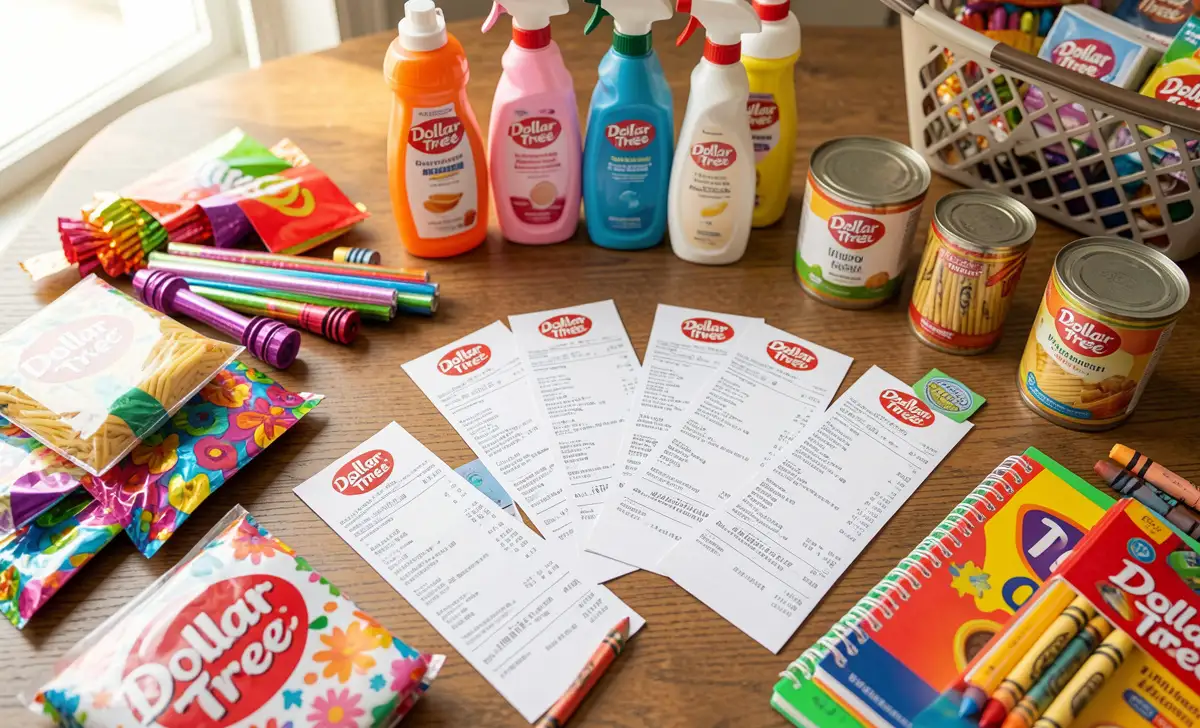
If you’ve ever walked into a Dollar Tree, you already know the appeal. Everything is $1.25 now (yes, they raised prices in 2021), and you can walk out with a cart full of stuff for what you’d spend on lunch. But lately, you might have heard some concerning things about the store. Expired food. Employee lawsuits. Crowded aisles. It makes you wonder—is Dollar Tree actually worth it anymore?
I’ve spent years shopping at discount retailers, and I’ve visited dozens of Dollar Tree locations across multiple states. I’ve talked to employees, compared prices, and tested products. Here’s my honest, no-fluff Dollar Tree Review of what shopping at Dollar Tree really looks like in 2026.
What Exactly Is Dollar Tree?
Let’s start with the basics. Dollar Tree is a discount retailer that’s been around since 1986. They operate more than 14,000 stores across the United States, making them one of the biggest players in the dollar store space.
Unlike some competitors that have “dollar” in the name but regularly charge $5, $10, or more, Dollar Tree has historically stuck to a single price point. For decades, everything was $1. In 2021, they officially raised the standard price to $1.25, citing inflation and rising operational costs. Some items in their “Dollar Tree Plus” sections cost $3 or $5, but the core store remains focused on value pricing.
The company positions itself as a destination for budget-conscious shoppers, and honestly? That’s exactly who shops there. Parents are buying school supplies. Teachers stocking classrooms. Party planners. People are trying to stretch a paycheck. And yes, plenty of everyday folks are looking for a deal.
The Good: Why People Keep Coming Back
You Genuinely Save Money
Let’s get the obvious out of the way. The prices are low. Really low.
I compared a basket of basic household items between Dollar Tree and a national grocery chain recently. The same bottle of Dawn dish soap? $1.25 at Dollar Tree, $2.99 at the grocery store. Name-brand toothpaste? $1.25 versus $3.49. Greeting cards? 50 cents for a two-pack at Dollar Tree versus $4.99 for a single card at a pharmacy.
For people living on tight budgets, these savings add up fast. If you’re buying party supplies, cleaning products, or basic pantry staples, you can easily cut your household expenses by 30–40 percent just by switching where you shop.
They Carry Name Brands
Here’s something that surprises a lot of first-time shoppers: Dollar Tree doesn’t just sell generic junk. You’ll find recognizable names in almost every aisle.
Crayola crayons. Scotch tape. Dawn dish soap. Colgate toothpaste. Campbell’s soup. Ajax cleaners. Reynolds Wrap aluminum foil. These aren’t off-brand knockoffs—they’re the same products you’d buy at Walmart or Target, just at a lower price.
How do they do it? Sometimes it’s smaller package sizes. Sometimes it’s overstock from manufacturers. Sometimes it’s special production runs made specifically for dollar stores. Either way, you’re getting legitimate products without the markup.
The Liquidation and Overstock Deals
One of the best-kept secrets about Dollar Tree is its connection to the liquidation market. Many stores receive overstock merchandise, closeout deals, and returned items from other retailers. These items get sold at deep discounts, often ending up in specific sections of the store or available as liquidation pallets.
If you’re willing to dig, you can find incredible deals. I’ve seen brand-name electronics, home goods, and even small appliances show up at my local store for $1.25. It’s unpredictable—you never know what you’ll find—but that’s part of the fun for bargain hunters.
Party and Seasonal Shopping
If you’re planning a birthday party, holiday gathering, or any kind of celebration, Dollar Tree is genuinely hard to beat.
Balloons? $1.25 for a pack. Gift bags? Same price. Tissue paper, streamers, disposable plates, cups, and napkins? All $1.25. Compare that to a party supply store where a single themed plate set might run you $5–$8, and the savings become obvious.
Seasonal decorations are another win. Christmas ornaments, Halloween decorations, Easter basket fillers—Dollar Tree goes all out for holidays, and you can decorate your entire house for under $20.
The Not-So-Good: What You Should Know Before You Go
The Controversies Are Real
I can’t write an honest Dollar Tree Review without addressing the elephant in the room. Dollar Tree has faced legitimate criticism in recent years, and shoppers deserve to know what they’re walking into.
In 2016, the company faced significant backlash over selling expired food products. Inspections at multiple locations found expired medications, baby food, and other items still on shelves. Dollar Tree responded by implementing better inventory tracking and removing expired products more consistently, but the incident damaged consumer trust.
More seriously, Dollar Tree has faced multiple lawsuits alleging discriminatory practices against employees. Claims have included racial discrimination, failure to accommodate disabilities, and unfair labor practices. In 2022, the company agreed to pay over $1 million to settle a disability discrimination lawsuit filed by the EEOC.
These aren’t minor issues. If ethical shopping matters to you, it’s worth considering.
Product Quality Varies Wildly
Here’s the truth about dollar stores: some products are great deals, and some are complete garbage.
Kitchen utensils? Often flimsy. Electronics? Basically disposable. Tools? Usually too cheap to actually work. The key is knowing what to buy and what to avoid.
I’ve learned through trial and error that cleaning supplies, basic toiletries, party goods, and pantry staples are generally safe bets. Power tools, electronics, and anything with moving parts? I’d think twice.
The Shopping Experience Can Be Rough
Let’s talk about what it’s actually like inside a Dollar Tree. If you’ve been to one recently, you know the reality.
Aisles are often cramped. Merchandise can be disorganized. Finding a specific item sometimes means digging through bins or checking multiple stores. During busy times, checkout lines stretch deep into the store because there aren’t enough registers open.
Customer service varies dramatically by location. Some stores have helpful, friendly staff. Others feel understaffed and overwhelmed. The company’s focus on keeping costs low means stores often run with minimal employees, which directly affects the shopping experience.
What Should You Actually Buy at Dollar Tree?
After years of shopping at dollar stores, I’ve developed a pretty clear sense of what’s worth buying and what’s not. Here’s my practical guide:
Smart Buys
Cleaning supplies are almost always a good deal. Sponges, scrub brushes, all-purpose cleaners, glass sprays—they work fine, and you’re not overpaying.
Party supplies are probably the best value in the entire store. Plates, cups, napkins, decorations, gift bags, tissue paper. For birthday parties or holidays, you can save a fortune.
Greeting cards are a no-brainer. Two-packs for 50 cents or $1.25. Compare that to $5–$7 at a card shop, and you’ll never buy expensive cards again.
Basic school and office supplies work perfectly well for most needs. Pens, pencils, notebooks, folders, rulers. Teachers particularly love Dollar Tree for classroom supplies.
Candles are surprisingly good. The glass jar candles burn decently and make great, inexpensive gifts or home decorations.
Kitchen gadgets like measuring cups, mixing bowls, and spatulas are fine for most home cooks. Just don’t expect them to last forever.
Snacks and pantry items are worth checking. Name-brand crackers, cookies, canned goods, and condiments often show up at significant discounts.
Skip These
Electronics are usually disappointing. Earbuds stop working quickly. Phone chargers may not last. Batteries drain fast. Pay a little more for quality here.
Tools are almost always too cheap to actually work. Screwdrivers bend. Hammers feel hollow. Skip the tool aisle entirely.
Personal care electronics like hair dryers or razors tend to underperform. Stick to drugstores for these.
Name-brand health products can be tempting, but check expiration dates carefully. Medications, vitamins, and first-aid supplies need to be fresh to work properly.
Real Questions Shoppers Ask
Is Dollar Tree’s food safe to eat?
Generally, yes—with one major caveat. Always check expiration dates. Most food is perfectly fine, and many items are name-brand products you’d buy anywhere else. But because inventory turnover varies by location, you should make checking dates a habit.
Why did Dollar Tree raise prices to $1.25?
Inflation and rising costs. The company announced in 2021 that the traditional $1 price point was no longer sustainable given increased shipping, labor, and product costs. The $1.25 price helps them maintain profitability while keeping prices lower than those of traditional retailers.
Are Dollar Tree products lower quality than store brands?
Sometimes yes, sometimes no. For cleaning supplies and basic household items, quality is often comparable. For things like kitchen gadgets or toys, you’re definitely getting lower quality than you’d find at Target or Walmart. The key is matching your expectations to the price point.
Can you really save money shopping at Dollar Tree?
Absolutely—if you’re strategic about it. Stick to categories where dollar stores excel: party supplies, cleaning products, greeting cards, and basic pantry items. Avoid categories where quality matters more than price, like electronics or tools.
The Bottom Line: Is Dollar Tree Worth It?
After dozens of shopping trips and years of observation, here’s my honest take:
Dollar Tree is absolutely worth it for certain things. If you’re throwing a party, decorating for holidays, stocking up on cleaning supplies, or buying greeting cards, you’ll save significant money compared to traditional retailers. Teachers, parents, and anyone on a tight budget will find genuine value here.
But go in with open eyes. Know that the shopping experience can be frustrating. Understand the controversies and decide for yourself what matters to you. Check expiration dates on food. Adjust your expectations for product quality based on what you’re buying.
The company has its flaws—real ones. Expired food incidents, discrimination lawsuits, and understaffed stores. These aren’t accusations to brush aside. They’re part of the full picture of what Dollar Tree is as a company.
For most shoppers, though, the value outweighs the drawbacks. When you can buy a month’s worth of cleaning supplies for what you’d spend on dinner out, or decorate an entire birthday party for under $20, the savings are hard to ignore.
My advice? Give Dollar Tree a try for the things that make sense. Stick to the categories where dollar stores excel. Check your dates, manage your expectations, and enjoy the savings. Just don’t expect a luxury shopping experience—that’s not what Dollar Tree has ever been about.
Disclaimer: The information in this article is based on personal shopping experiences, publicly available information, and consumer reports available up to 2026. Product availability, pricing (including the $1.25 standard price), store conditions, and company policies may vary significantly by location and are subject to change over time.