
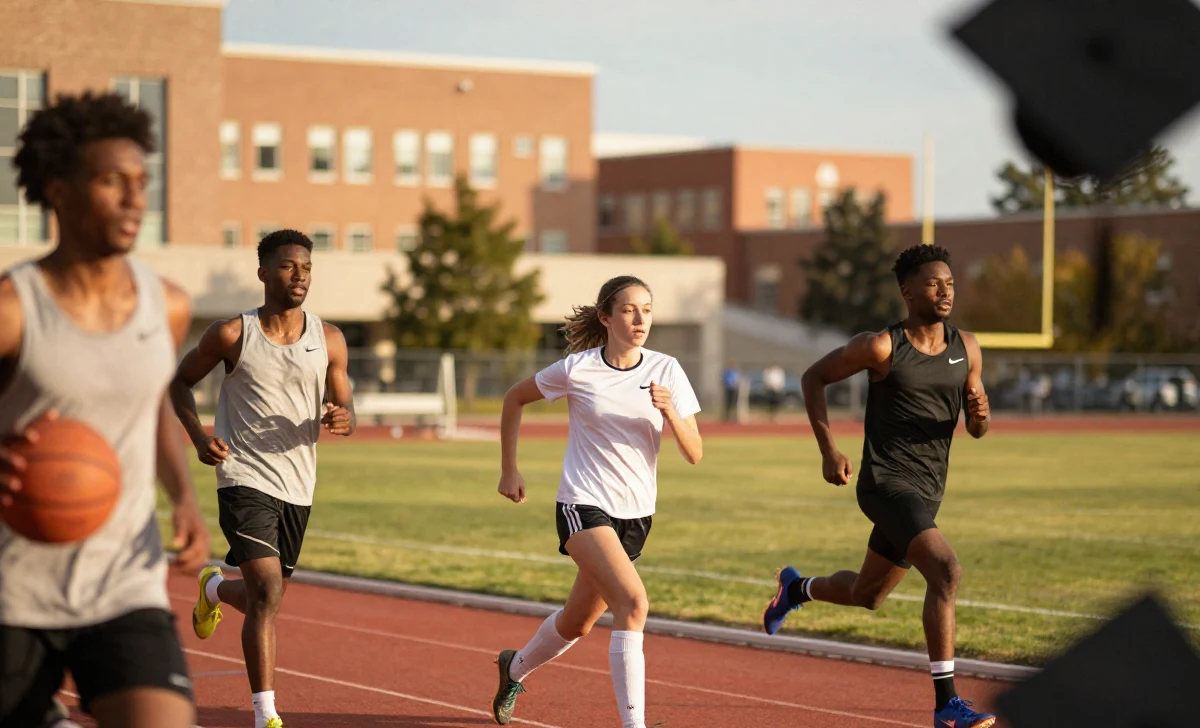
If you’re a student-athlete dreaming of combining your passion for sports with a quality education, the United States offers unparalleled opportunities. Every year, thousands of young Americans and international students step onto university campuses not just as students, but as athletes representing their schools in competitive sports. But how exactly does this system work? And more importantly, how can you be part of it?
The connection between sports and higher education in the USA is unique worldwide. Unlike many countries where sports and academics exist in separate spheres, American universities actively recruit and develop athletes. This guide walks you through everything you need to know about US college sports leagues, how they connect to education, and what opportunities exist for student-athletes like you.
Why Sports and Education Go Hand-in-Hand in America
The United States boasts one of the strongest sports cultures globally. From Friday night high school football games to the massive spectacle of the Super Bowl, sports are woven into the American identity. For young athletes, this creates an exciting possibility: pursuing professional sports while earning a degree.

But let’s be honest—balancing rigorous academics with athletic training isn’t easy. Many students worry about having to choose between their love for sports and their educational goals. This is precisely where US college sports leagues come in. They’ve created a system where you don’t have to choose. You can do both.
These leagues ensure that training facilities rival professional stadiums, complete with security perimeters, quality uniforms, proper exercise equipment, medical staff, and even financial assistance. Student-athletes get the best of both worlds: a genuine college experience and serious athletic competition.
Understanding the Major College Sports Organizations
When people talk about US college sports leagues at the college level, they’re usually referring to three main organizations: the NCAA, the NJCAA, and the NAIA. Each serves a different purpose and offers unique opportunities.
NCAA: The Powerhouse of College Athletics
The National Collegiate Athletic Association (NCAA) stands as the largest and most recognizable college sports organization in the United States. With over 1,000 member universities and 89 championships across 23 sports, it’s the gold standard for student-athletes.
The NCAA isn’t a one-size-fits-all organization. It’s divided into three divisions, each designed for different types of student-athletes and institutional philosophies.
Division I: Where Dreams Take Flight
Division I schools represent the highest level of college athletics. These are the universities you see on national television during March Madness or college football bowl games. They have the largest budgets, the most extensive facilities, and the highest level of competition.
If you’re aiming for Division I, you’re looking at:
- Full-ride scholarship opportunities
- Competition against future professional athletes
- State-of-the-art training facilities
- Extensive media coverage
- Football Bowl Subdivision (FBS) and Football Championship Subdivision (FCS) schools
Division I athletes typically dedicate 40+ hours per week to their sport during the season. It’s intense, demanding, and incredibly rewarding for those who can handle the pressure.
Division II: Balanced Excellence
Division II strikes a middle ground. These schools still offer athletic scholarships, but the environment feels less overwhelming than Division I. Athletes here often report a better balance between their sport, academics, and social life.
What makes Division II unique:
- Scholarships available but fewer than Division I
- Average of 15 sports per school (compared to 18 in Division I)
- Strong regional rivalries
- More manageable athletic commitments
- Genuine focus on the student-athlete experience
Many athletes choose Division II because they want quality competition without sacrificing their college experience or academic focus.
Division III: Academics First, Athletics Always
Division III embodies the philosophy that college is primarily about education. These schools don’t offer athletic scholarships, but they provide something equally valuable: the chance to compete passionately while prioritizing your degree.
Division III highlights:
- No athletic scholarships (academic aid still available)
- Focus on the well-rounded college experience
- Less travel and practice time demands
- Integration of athletics into campus life
- Strong emphasis on personal development
If your priority is academics but you can’t imagine college without sports, Division III might be your perfect fit.
NJCAA: Starting Your Journey at a Junior College
The National Junior College Athletic Association (NJCAA) serves students at two-year colleges. This path often gets overlooked, but it’s actually one of the smartest moves you can make as a student-athlete.
Why consider NJCAA?
- Lower tuition costs than four-year universities
- Opportunity to improve academically and athletically
- Smaller class sizes and more personal attention
- Second chance to qualify academically for NCAA schools
- Path to transfer to NCAA or NAIA programs
Many successful professional athletes started at junior colleges. It’s not a backup plan—it’s a strategic starting point. You can complete two years, develop your skills, and transfer to a four-year school with two years of eligibility remaining.
NAIA: Small Schools, Big Opportunities
The National Association of Intercollegiate Athletics (NAIA) represents over 250 smaller colleges and universities across the country. With more than 60,000 student-athletes participating annually, the NAIA offers something special: competitive athletics in a close-knit community environment.
NAIA advantages include:
- More flexible scholarship opportunities
- Smaller campuses with personalized attention
- Strong sense of community
- 23 national championships
- Emphasis on character development alongside athletic performance
NAIA schools often feel like families. If you thrive in smaller communities and want to be more than just a jersey number, look seriously at NAIA programs. These US college sports leagues prove that size doesn’t determine quality when it comes to athletic experience.
Sports You Can Play in College
One of the most common questions from student-athletes is whether their sport is available at the college level. The answer is almost certainly yes. American colleges offer an incredible variety of sports, from mainstream to niche.
Major Sports
- Football (the biggest sport at many schools)
- Basketball (men’s and women’s)
- Baseball and Softball
- Soccer (increasingly popular, especially for international students)
- Volleyball
- Track and Field
- Swimming and Diving
Emerging and Niche Sports
- Lacrosse (growing rapidly nationwide)
- Ice Hockey (dominant in northern states)
- Golf and Tennis
- Gymnastics
- Wrestling
- Rowing and Crew
- Rugby
- Water Polo
- Bowling
- Cross Country
- Spirit (competitive cheer and dance)
The range of options means you can likely continue your sport regardless of what you play. If your sport isn’t listed, reach out to specific colleges—many add new programs based on student interest. Across all US college sports leagues, there’s growing recognition that diverse athletic offerings attract talented students.
How Student-Athletes Get Recruited
The recruitment process can feel overwhelming, but understanding it makes all the difference. Here’s what actually happens:
Building Your Profile
Start early. Create an athletic resume that includes your stats, achievements, and academic record. Film yourself playing—coaches want to see real game footage, not just highlights. Upload this to recruiting platforms and share it directly with college coaches. Remember that recruitment timelines vary across different US college sports leagues, so research each organization’s rules carefully.
Academic Preparation Matters
Here’s something many athletes overlook: grades matter tremendously. NCAA, NAIA, and NJCAA all have academic eligibility requirements. You can be the best player in your state, but if your grades don’t meet standards, you won’t play. Take your classes seriously from day one.
Reaching Out to Coaches
Don’t wait for coaches to find you. Research schools that fit your athletic and academic level. Send personalized emails to coaches expressing genuine interest. Include your schedule so they can watch you compete. Follow up respectfully but persistently.
Official and Unofficial Visits
When coaches show interest, you’ll have opportunities to visit campuses. Unofficial visits are when you pay your own way. Official visits are when the school covers expenses. Both help you understand if the program and campus feel right for you.
Scholarships and Financial Aid
Financial concerns stop many talented athletes from pursuing college sports. Here’s the truth: athletic scholarships exist, but they vary widely across different US college sports leagues.
Full Scholarships vs. Partial Scholarships
In some sports like football and basketball, full scholarships covering tuition, room, board, and books are common. In other sports like track or swimming, scholarships might be partial. Coaches often split their scholarship budget among multiple athletes.
Academic Scholarships for Athletes
Even without athletic scholarships, student-athletes qualify for academic money. Strong grades can earn you significant financial aid. Division III athletes rely entirely on academic and need-based aid.
Cost-Saving Through NJCAA
Junior colleges cost significantly less than four-year universities. Many athletes save thousands by starting at NJCAA schools before transferring. This path makes college affordable while keeping your athletic dreams alive.
Common Questions from Student-Athletes
Can international students participate in US college sports?
Absolutely. American universities actively recruit international athletes. Soccer, tennis, and swimming programs particularly welcome international talent. You’ll need to meet academic and visa requirements, but thousands of international students compete successfully each year across all US college sports leagues.
What if I get injured?
College sports programs prioritize athlete health. You’ll have access to trainers, doctors, and rehabilitation services. Most scholarships cannot be revoked solely due to injury, though policies vary by school and division.
How do I balance academics and athletics?
It takes discipline, but millions have done it before you. Use your time wisely. Study during travel. Communicate with professors. Take advantage of academic support services designed specifically for athletes.
Can I walk onto a team without a scholarship?
Yes. Walk-ons try out and make teams without initial scholarship offers. Many walk-ons eventually earn scholarships through performance. It’s harder but absolutely possible.
The Lifelong Value of Being a Student-Athlete
College athletics teaches lessons that last forever. Discipline, teamwork, time management, and resilience—these qualities develop naturally through sports and serve you well in any career.
Former student-athletes often say their athletic experience shaped who they became. The friendships, the competition, the growth—it’s about more than wins and losses. It’s about becoming your best self while doing what you love.
Even if you never play professionally, being a college athlete opens doors. Employers respect the commitment and skills athletics requires. You’ll graduate with experiences and connections that non-athletes never access. This is the true gift of US college sports leagues—they prepare you for life, not just games.
Final Thoughts
The American system of combining education with competitive sports creates opportunities found nowhere else in the world. Whether you dream of Division I stadiums or prefer the close community of a small college, there’s a place for you in the diverse landscape of US college sports leagues.
Remember why you started playing your sport in the first place—for the love of the game. College athletics lets you keep playing while building your future. It’s challenging, rewarding, and absolutely worth pursuing.
Your journey as a student-athlete starts now. Take the first step, reach out to a coach, research a school, or simply share your dream with someone who supports you. The world of college sports awaits, and there’s a place in it for you.
Disclaimer: The information provided in this article is for general informational and educational purposes only. While we strive to keep the content accurate and up-to-date, details regarding NCAA, NAIA, NJCAA eligibility requirements, scholarship availability, recruitment processes, and academic standards may change over time. Always verify current rules, deadlines, and regulations directly with the official organizations (NCAA, NAIA, NJCAA) and the specific educational institutions you are interested in.