
Finding time for fitness in today’s busy world feels nearly impossible. Between work commitments, family responsibilities, and social obligations, your health often takes a back seat. Maybe you’ve tried joining a gym, only to abandon your membership after a few weeks. Perhaps bad weather or safety concerns keep you from walking or running outside.
If this sounds familiar, indoor cycling might be exactly what you need. It’s convenient, effective, and surprisingly enjoyable. Let’s explore how this low-impact exercise can transform your health without requiring hours of your day or expensive equipment.
What Exactly Is Indoor Cycling?
Indoor cycling involves riding a stationary exercise bike, typically in a group class setting or at home using your own equipment and perhaps an app. Unlike casual cycling on roads or trails, indoor sessions are structured workouts designed to improve cardiovascular fitness, build strength, and burn calories efficiently.


You control the intensity by adjusting the resistance on the bike and your pedaling speed. This makes it suitable for everyone from complete beginners to seasoned athletes. The beauty of indoor cycling lies in its simplicity – you sit down, pedal, and let the workout do its magic.
Why Indoor Cycling Works When Other Exercises Fail
Many people struggle with exercise consistency because they find workouts boring, uncomfortable, or inconvenient. Indoor cycling addresses all these pain points directly.
It eliminates excuses. Rain, snow, darkness, or extreme heat no longer derail your plans. Your bike sits right there, waiting for you. There’s no commute to the gym, no waiting for equipment, and no worrying about how you look in workout clothes.
It respects your joints. Running on pavement or high-impact aerobics can leave your knees, hips, and ankles aching. Cycling provides an intense workout while being gentle on your body. Your joints move through their range of motion without bearing your full body weight.
It delivers measurable results quickly. When you invest time in cycling, you notice changes within weeks. Your endurance improves. Your legs grow stronger. The number on your scale may start moving downward. These small victories keep you motivated to continue.
The Physical Benefits That Transform Your Body
Weight Loss That Actually Happens
Weight loss ultimately comes down to burning more calories than you consume. Indoor cycling excels at creating this caloric deficit efficiently.
A 30-minute moderate session on a stationary bike burns approximately 260 calories for a 155-pound person. Push yourself harder, and that number climbs to 400 calories or more. Over a week, consistent cycling can create a deficit, leading to one to two pounds of weight loss without extreme dieting.
Beyond direct calorie burning, cycling boosts your metabolism. Your body continues burning energy at an elevated rate for hours after you finish pedaling. This afterburn effect means you keep reaping benefits even while sitting at your desk or relaxing on the couch.
Stronger Legs Without Bulky Equipment
Your legs contain some of the largest muscle groups in your body. Strengthening them improves everything from your posture to your balance to your ability to climb stairs without getting winded.
Indoor cycling targets your quadriceps, hamstrings, glutes, and calves effectively. The pedaling motion engages these muscles continuously throughout your workout. When you increase resistance and stand on the pedals, you recruit even more muscle fibers.
Unlike leg presses or squats at the gym, cycling strengthens without requiring heavy equipment or proper form coaching. The bike guides your movement pattern, reducing injury risk while still building functional strength.
Heart Health That Protects Your Future
Cardiovascular disease remains the leading cause of death worldwide. Anything you do to strengthen your heart directly impacts your long-term health outlook.
Indoor cycling elevates your heart rate into target zones that improve cardiac efficiency. Over time, your heart becomes stronger, pumping more blood with each beat. Your resting heart rate drops. Your blood pressure often improves.
The cholesterol benefits deserve special attention. Regular cycling increases your HDL (the good cholesterol) while helping lower LDL (the bad cholesterol). This combination reduces arterial plaque buildup and lowers your heart attack and stroke risk significantly.
The Mental Health Transformation Nobody Talks About
Physical changes get most of the attention, but the mental health benefits of indoor cycling often prove more life-changing.
Stress Relief When You Need It Most
Life throws constant pressure your way. Work deadlines, family obligations, financial concerns – they all accumulate until you feel ready to explode. Exercise provides a healthy release valve.
During indoor cycling, your body releases endorphins, often called feel-good chemicals. These natural compounds reduce pain perception and trigger positive feelings. That post-workout euphoria, sometimes called runner’s high, leaves you calmer and more resilient to stress.
Many cyclists describe their time on the bike as moving meditation. The rhythmic pedaling, focused breathing, and physical exertion clear mental clutter. Problems that seemed overwhelming before your ride often appear manageable afterward.
Anxiety and Depression Relief
Research consistently shows exercise effectiveness for mood disorders. Indoor cycling offers particular advantages for those struggling with anxiety or depression.
The structured nature of a cycling workout provides predictability and achievable goals. Completing a session you initially doubted you could finish builds confidence. This sense of accomplishment carries into other areas of your life.
For those with anxiety, the controlled environment eliminates many triggers. You’re not navigating traffic, worrying about bike maintenance, or dealing with unfamiliar routes. You simply pedal in your safe space.
Mental Sharpness and Cognitive Function
Have you noticed how mentally foggy you feel after sitting all day? Your brain craves movement and oxygen.
Indoor cycling increases blood flow throughout your body, including your brain. This delivers oxygen and nutrients essential for cognitive function. Many people report clearer thinking, better concentration, and improved memory after establishing a regular cycling routine.
Starting your morning with a short cycling session can replace that second cup of coffee. The combination of increased blood flow and endorphin release wakes up your brain more effectively than caffeine alone.
Getting Started With Indoor Cycling
Choosing Your Setup
You have two main options for indoor cycling: gym classes or home equipment. Each offers distinct advantages.
Gym classes motivate group energy and professional instruction. An instructor guides you through intervals, ensuring you push hard enough to see results. The social aspect keeps many people returning. Seeing familiar faces and sharing the struggle creates accountability.
Home cycling offers maximum convenience and privacy. You can ride whenever it fits your schedule, wearing whatever you want. Modern indoor cycling apps bring studio experiences into your living room with on-demand and live classes streamed directly to your device.
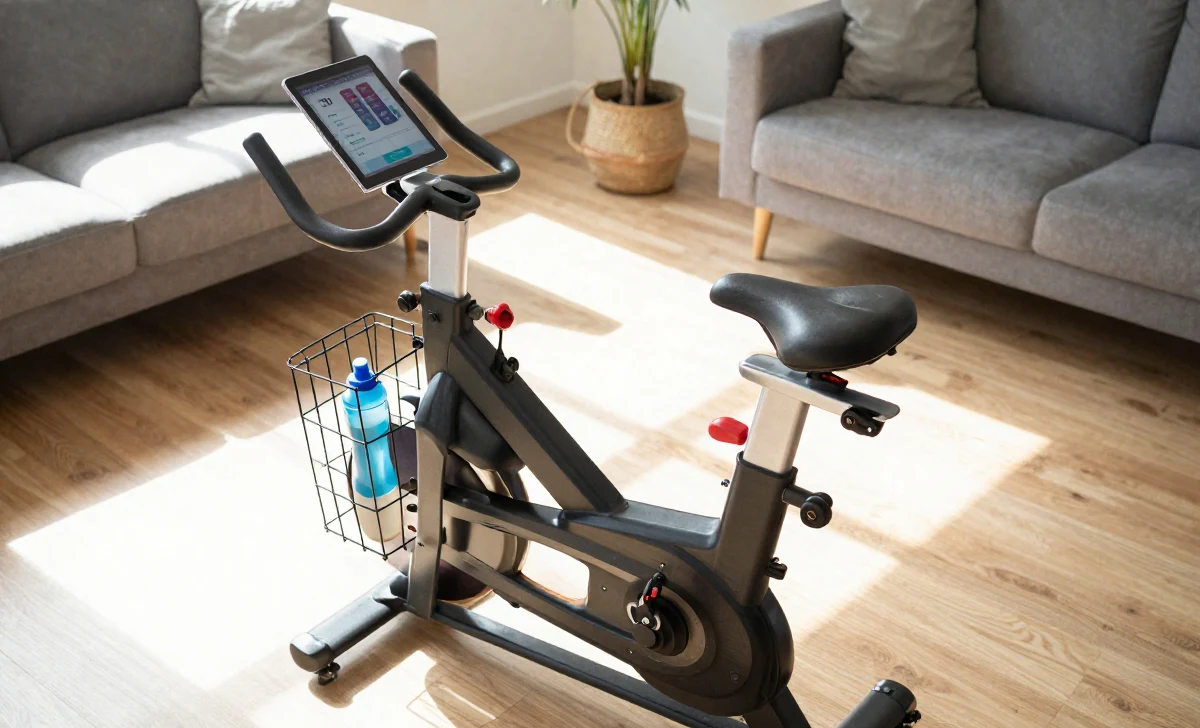
For home setups, you’ll need either a traditional stationary bike or a smart bike that connects to training apps. Smart bikes automatically adjust resistance to match your instructor’s cues, creating an immersive experience.
What to Expect in Your First Session
Your first indoor cycling experience might feel awkward. That’s completely normal. The seat may feel uncomfortable initially. Coordinating your pedaling with resistance changes takes practice.
Plan to arrive early if attending a gym class. Ask the instructor to help adjust your bike properly. Seat height matters tremendously for comfort and injury prevention. When your leg extends fully, your knee should maintain a slight bend.
Most sessions follow a pattern: warm-up, main workout with varying intensity intervals, cool-down, and stretching. The warm-up prepares your muscles and cardiovascular system. Intervals challenge you with alternating high and low-intensity periods. Cool-down gradually returns your heart rate to normal.
Bring water and a small towel. You’ll sweat more than you expect. Indoor cycling generates significant body heat, especially in group settings.
Addressing Common Concerns
“I’m not fit enough to start cycling.”
This concern stops many people from trying indoor cycling. Here’s the truth: indoor cycling accommodates every fitness level. You control your resistance and speed completely. No one judges how hard you’re working because they’re focused on their own effort.
Beginner-friendly classes exist specifically for those new to cycling. Instructors explain terms, demonstrate proper form, and offer modifications throughout. You build confidence gradually without feeling overwhelmed.
“The seat hurts my bottom.”
Seat discomfort discourages many new cyclists. Your body needs time to adapt to sitting on a bike seat. This adjustment typically takes a few weeks of consistent riding.
Several solutions help during this period. Padded cycling shorts provide cushioning and reduce friction. Some riders prefer gel seat covers for added comfort. Simply standing on the pedals briefly during class relieves pressure periodically.
If discomfort persists beyond a few weeks, check your bike fit. An improperly positioned seat causes unnecessary pressure and pain.
“I have health conditions. Is cycling safe?”
Always consult your healthcare provider before starting any exercise program, especially if you have existing health conditions. However, indoor cycling often proves beneficial for managing various conditions.
For those with arthritis, cycling provides joint-friendly movement that maintains mobility. Individuals managing diabetes benefit from improved insulin sensitivity and blood sugar control. People recovering from injuries use cycling for low-impact rehabilitation.
The key is starting slowly and listening to your body. Honor pain signals and adjust intensity accordingly.
Maximizing Your Results
Consistency Beats Intensity
A common mistake involves going all-out for a few sessions, then burning out completely. Sustainable progress comes from showing up regularly, even when your effort level feels moderate.
Aim for three to four sessions weekly. This frequency builds habit strength while allowing adequate recovery between workouts. Your body adapts and improves during rest periods, not during exercise itself.
Combine With Complementary Activities
While indoor cycling delivers impressive benefits alone, combining it with other activities creates balanced fitness. Strength training twice weekly builds muscle that enhances cycling performance. Walking or yoga on rest days maintains activity without overtaxing your body.
Pay attention to nutrition as well. Cycling creates a caloric deficit, and muscle demands that proper nutrition supports. Adequate protein intake helps muscle recovery. Complex carbohydrates fuel your workouts effectively.
Track Progress Beyond the Scale
The scale tells only part of your story. Muscle weighs more than fat, so your weight may change slowly even as your body transforms.
Notice other indicators of progress. Can you cycle longer without fatigue? Do you recover faster between intervals? Are you sleeping better? Has your energy improved throughout the day? These non-scale victories often matter more than pounds lost.
Making Indoor Cycling Sustainable Long-Term
Variety Prevents Boredom
Doing the same workout repeatedly leads to mental and physical plateaus. Most cycling apps and classes offer variety through different class formats. Music-themed rides focus on rhythm and fun. Climbing sessions build strength through sustained resistance. Interval classes maximize calorie burn and cardiovascular fitness.
Try different instructors and class styles regularly. Each brings unique music preferences, coaching approaches, and energy levels. Discovering what resonates keeps your interest alive.
Build Community Connection
Even when cycling at home, connection possibilities exist. Many apps include features allowing you to ride with friends virtually. You see each other’s progress during class and celebrate achievements together. Social media groups dedicated to specific cycling apps or equipment create communities sharing tips, motivation, and encouragement.
Invest in Comfort
As cycling becomes regular in your routine, consider upgrades that enhance the experience. Quality cycling shoes with cleats attach directly to pedals, improving efficiency and comfort. A good fan positioned to blow directly on you makes longer sessions more bearable. Heart rate monitors help you train in optimal zones without guesswork.
Conclusion
Indoor cycling offers a practical, effective path to better health that fits modern life. It removes common exercise barriers while delivering physical and mental benefits that compound over time. Weight loss becomes achievable. Heart health improves. Stress decreases. Confidence grows.
The bike waits for no excuses. Whether you choose gym classes or home sessions, the only requirement is to start. Your first ride might feel challenging. Your tenth ride will feel familiar. By your hundredth ride, cycling becomes part of who you are.
Better health and fitness lie within reach. Clip in, adjust that resistance, and start pedaling toward the stronger, healthier, happier version of yourself waiting just ahead.