

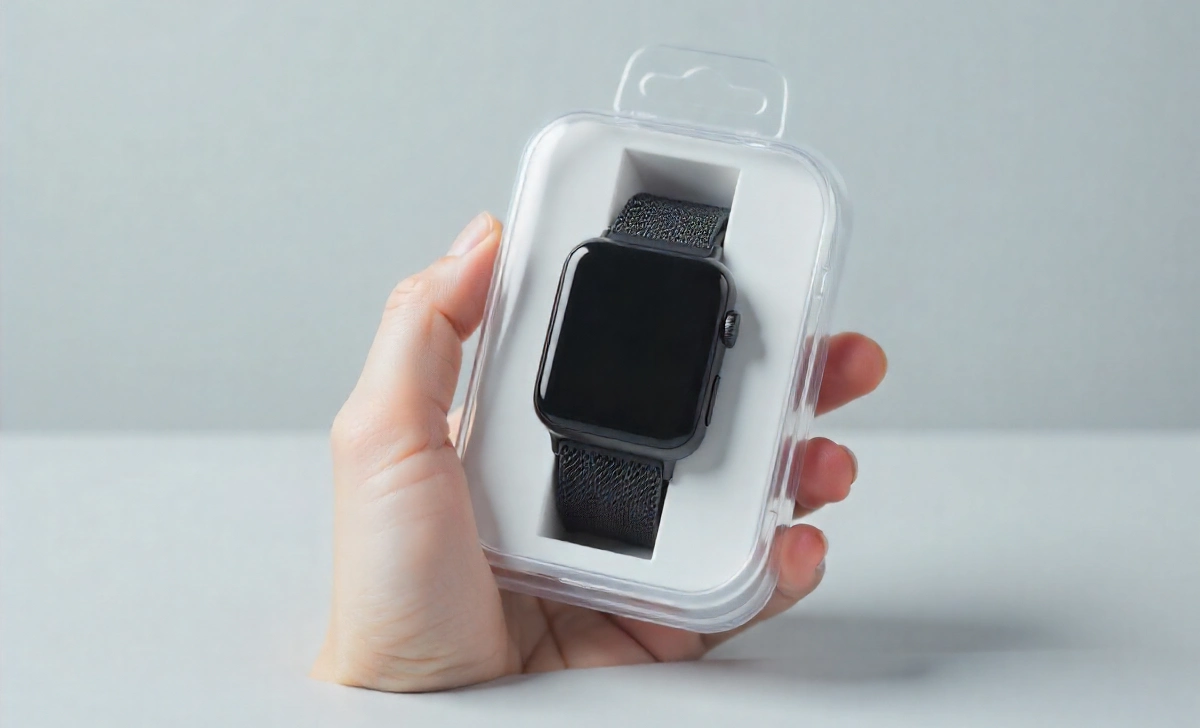
Think about the last item you unboxed. A new tech gadget, perhaps, or a specialty food item. Chances are, it was nestled securely inside a piece of custom plastic packaging—a clamshell, a tray, a tub. This isn’t just random plastic; it’s the result of a precise manufacturing process called plastic thermoforming.
For business owners, product managers, and designers, choosing the right packaging is a critical decision. It affects cost, protection, sustainability, and customer perception. Yet, many of the most transformative benefits of thermoformed packaging are hidden in plain sight.
Let’s pull back the curtain. Here are 10 things you probably didn’t know about plastic thermoformed packaging, insights that could reshape how you think about presenting and protecting your products.
1. The Art and Science of the Perfect Fit: How Thermoforming Really Works
A common question we hear is, “How can you get plastic to form such perfect, complex shapes?” The answer lies in a beautifully straightforward process.
Thermoforming involves heating a flat sheet of thermoplastic—like PET, PVC, or HDPE—until it’s pliable. This heated sheet is then draped over or into a custom-designed mold. Using a combination of vacuum and pressure, the soft plastic is pulled into every contour of that mold, capturing intricate details with remarkable accuracy. Once it cools, it’s trimmed and finished. The result? Custom plastic packaging that fits your product “like a glove,” as the saying goes. This isn’t generic containment; it’s engineered embrace. For items with unusual geometry or fragile components, this precise fit is not a luxury—it’s essential for preventing damage during shipping and handling.
2. More Than Just Food Containers: The Unseen Universe of Thermoforming
While the ice cream tub and meat tray are classic examples, the reach of thermoforming is staggering. It’s a silent partner across countless industries.
In the medical and pharmaceutical sectors, it creates sterile, FDA-approved blister packaging for pills, along with sturdy trays for surgical instruments. The electronics industry relies on it for anti-static trays that protect sensitive circuit boards. Walk through a store, and you’ll see point-of-sale display trays and clamshell packaging designed to deter theft and showcase products. It’s in aerospace components, automotive interior panels, and even the protective casing for sensitive laboratory equipment. This versatility answers a core concern for innovators: “Is there a packaging solution for my highly specialized product?” With thermoforming, the answer is almost always yes.
3. Material Intelligence: Choosing the Right Plastic for the Job
A major misconception is that “plastic is plastic.” In reality, the thermoforming process leverages a family of materials, each with unique chemical properties. This allows for incredible specificity.
Need a package that can go from the deep freeze to the microwave? A high-impact polystyrene might be the answer. Requiring crystal clarity for a high-end cosmetic item? PET could be ideal. Need something with high chemical resistance for industrial parts? Consider HDPE or PVC. These materials can be lightweight, moisture-resistant, and suitable for downstream sterilization. This material intelligence means your packaging isn’t just a container; it’s a functional extension of your product’s requirements.
4. The Recyclability Reality: A Nuanced Picture
“Are these plastics recyclable?” This is one of the most pressing questions today. The truth is nuanced but promising.
Most thermoplastics used in thermoforming, like PET and Polyethylene, are inherently recyclable. The common recyclable and reusable plastics from your home—soda bottles, milk jugs—are cousins to many packaging materials. However, the reality depends on local recycling infrastructure. A blister pack combining plastic with foil or paper can complicate recycling. The industry is actively responding. Many manufacturers now design for mono-materials (using one type of plastic) to simplify recycling and are incorporating post-consumer recycled (PCR) content into new trays and tubs. The key takeaway? When sourcing packaging, have a direct conversation with your supplier about material selection and end-of-life options to align with your brand’s sustainability goals.
5. The Second Life: What Recycled Thermoplastics Become
When that thermoformed tray is properly recycled, its journey is far from over. Recycled plastics embark on a remarkable transformation.
They are shredded, melted, and reborn as a wide array of products. That clear PET clamshell might find new life as a polyester fiber for clothing or carpets. Mixed polyethylene can become durable plastic lumber for patio furniture, playground equipment, or park benches. This circular potential addresses a deeper user concern: “If I use this plastic packaging, am I creating permanent waste?” Understanding this lifecycle helps businesses make more informed, responsible choices and communicate credibly with eco-conscious consumers.
6. An Unexpected Climate Ally: Lightweighting and Energy Efficiency
Plastics are indeed derived from petroleum byproducts. However, their lightweight nature creates a significant net positive in fuel savings and energy conservation—a concept known as “lightweighting.”
Consider shipping. A pallet of products in custom thermoformed packaging can weigh a fraction of the same products in glass, ceramic, or even heavier alternative plastics. This dramatically reduces shipping costs and fuel consumption per unit. In automotive and aerospace transportation, thermoformed plastics for interior panels and components directly reduce vehicle weight, boosting fuel efficiency. The material’s excellent insulating properties also help our homes and appliances use less energy. It’s a complex but crucial trade-off that highlights packaging’s role in a product’s total environmental footprint.
7. A Guardian of Public Health: From Pipes to Medical Devices
This might be the most underappreciated benefit. Thermoformed plastics have quietly revolutionized safety in critical areas.
Before modern plastics, water pipes were often made of lead, which can corrode and leach toxins. Durable, corrosion-resistant plastic piping has become a safer, more reliable standard. In medicine, fragile glass syringes and IV bags have been replaced by sterile, unbreakable plastic ones. This isn’t just about convenience; it’s about enabling safe, mobile healthcare in field hospitals, disaster zones, and everyday clinics. For businesses in medical devices or pharmaceuticals, this isn’t just packaging trivia—it’s the foundational reason certain life-saving innovations are even possible.
8. The Shatterproof Revolution: Replacing Breakable Predecessors
Building on the health angle, thermoforming solved a universal problem: breakage. Before its advent, many products relied on glass or ceramics.
From condiment jars to product display cases, the risk of shattering meant higher costs, safety hazards, and product loss. Thermoformed plastics offered a shatterproof, often clearer, and equally sterile alternative. This shift directly reduced waste and liability. For a business, choosing thermoformed packaging over glass isn’t just a cost decision; it’s a risk-management and logistics simplification strategy. It answers the pragmatic question, “How do I get my product to the customer intact, every single time?”
9. The Food Preservation Powerhouse
For food packaging, the benefits are direct and measurable. FDA-approved thermoformed plastics create a robust barrier.
They are moisture-resistant and provide excellent protection against contaminants, dramatically extending the shelf life of everything from fresh produce to prepared meals. By preventing spoilage, they play a major role in reducing food waste—a significant environmental and economic concern. Their ability to maintain temperature (think of an insulated cup or a freezer tray) also ensures food quality and safety from warehouse to table. For specialty food companies, this isn’t just packaging; it’s a critical component of product integrity and brand promise.
10. The True Cost Saver: Beyond the Sticker Price
The initial cost-effective nature of thermoplastics is clear. But the real savings are systemic.
The perfect fit minimizes material use and package size. The lightweight quality slashes shipping fees. The durability reduces damage-related losses. Furthermore, the insulation properties of plastics, used in building materials and appliances, lower energy bills. When you add up reduced shipping, fewer returns, less waste, and lower energy costs, the thermoforming process emerges as one of the most economical choices for scalable manufacturing. It solves the core business dilemma: “How do I protect my product without eroding my margins?”
Making the Right Choice for Your Product
Understanding these facets of plastic thermoformed packaging transforms it from a commodity into a strategic tool. It’s about protection, presentation, sustainability, and smart economics.
When evaluating a potential supplier like Plastiform Precision Formed Plastics, move beyond the quote. Ask about their material expertise, design for recyclability, and experience in your specific industry. The right partner won’t just sell you a tray; they’ll help you engineer a solution that elevates your product, resonates with your customers, and aligns with your operational and ethical standards.
In a world of generic solutions, the power of a perfect fit—engineered through heat, pressure, and expertise—remains a profound advantage. It’s the unseen detail that can make all the difference.