Let’s be honest: for most business owners, “accounting” isn’t the passion project. It’s the daunting pile of receipts, the late-night spreadsheet sessions, and the nagging worry that a decimal point is in the wrong place. If you’ve ever felt overwhelmed by bookkeeping, you’re not alone. The good news? Modern accounting software isn’t just a digital ledger; it’s a strategic partner that can reclaim your time, sharpen your accuracy, and provide a crystal-clear view of your company’s financial health.
This guide cuts through the jargon to explore how moving beyond manual methods or outdated systems can solve real, everyday problems for small business owners. We’ll address common hesitations—like cost and complexity—with practical insights into the tangible returns you can expect.
The Real Cost of “Doing It Yourself”: More Than Just Time
Many entrepreneurs start by managing finances with spreadsheets or simple apps, thinking they’re saving money. But the true cost is often hidden in opportunity loss. Ask yourself:
- How many hours did I spend last month manually chasing invoice payments or categorizing expenses?
- What could I have done with that time—land a new client, improve a product, or simply disconnect and recharge?
- What’s the risk of a compliance error because I missed a tax rule update?
Accounting software addresses this by automating tasks at the core of these time sinks. By linking to your business bank accounts and credit cards, transactions are imported and categorized automatically. Recurring invoices can be set and forgotten. This isn’t about laziness; it’s about redirecting your most valuable asset—your focus—from administrative work to strategic growth.
Accuracy and Trust: From Error-Prone to Audit-Ready
“Garbage in, garbage out.” This old computing adage holds painfully true for finances. A manual data entry error on a key invoice or expense can distort your profit picture, lead to incorrect tax filings, and cause stressful reconciliations.
Modern platforms build accuracy into the process. Features like bank reconciliation tools flag discrepancies instantly. Many use double-entry bookkeeping principles automatically, ensuring every debit has a corresponding credit, which fundamentally reduces the risk of mistakes. For those using more advanced systems like Microsoft Dynamics, a knowledgeable Dynamics partner can configure validation rules that prevent common errors before they’re saved. This creates a foundation of trust in your own financial data, giving you confidence when making big decisions or facing an audit.
The End of the Paper Chase: Centralizing Your Financial World
“Where is that receipt from the vendor lunch in April?” If your financial records are scattered across email, desk drawers, and old filing cabinets, you’re not just disorganized—you’re vulnerable. Finding a single document can consume an hour of productive time.
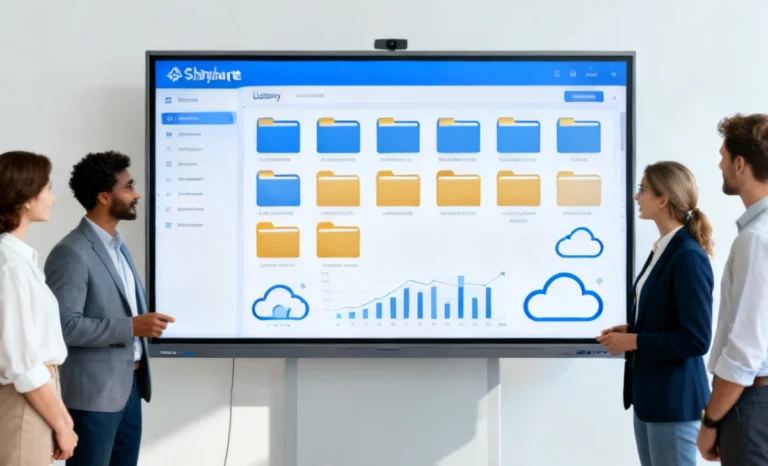
Accounting software acts as a central location for your entire financial universe. Snap a photo of a receipt with your phone, and it’s attached to the corresponding transaction. Every invoice number, contract, and bill is keyword-searchable in seconds. This organizational magic does more than save time; it empowers you. Need to quickly assess a vendor’s cost over the last year? The data is at your fingertips, enabling agile, informed decisions rather than days-long archaeological digs.
Scaling Collaboration: How Your Team Stays in Sync
As your start-up business grows from a solo venture to having a team, collaboration on finances can become a bottleneck. If only one person understands the spreadsheet system, you create a single point of failure and limit productivity.
Cloud-based platforms are built for productivity through collaboration. With appropriate permissions, your sales lead can generate client invoices, your operations manager can log job costs, and your bookkeeper can oversee payables—all within the same system. This eliminates version-control nightmares and “I-emailed-you-the-spreadsheet” delays. It ensures everyone is working from a single source of truth, streamlining workflows and speeding up your business cycle.
Beyond Numbers: Improving Client Relationships and Cash Flow
Your customer communication and your financial management are deeply connected, yet they’re often handled in separate silos. Accounting software bridges this gap. Many platforms offer direct integration with tools like Microsoft Outlook or Gmail, allowing you to see client payment history and open invoices directly within your email client.
This integration means your communication is informed. You can quickly check if a client typically pays on net-30 terms before approving a rush order, or politely follow up on an overdue payment with all the details at hand. Furthermore, features like online payment portals make it easier for clients to pay you, directly improving cash flow. It turns your accounting system from a back-office record-keeper into a front-line tool for customer service and financial stability.
Navigating Change: Compliance, Updates, and Knowing When to Seek Help
A major anxiety for business owners is staying compliant with ever-changing tax return rules and financial regulations. Outdated software (or an outdated process) is a significant risk. Without timely updates, you might miss new tax forms or deduction rules.
This is where the value of a dedicated accounting partner or a proactive accountant becomes clear. They don’t just do your taxes; they ensure your system is configured correctly for your industry and updated for new laws. They act as your guide, translating complex legislation into actionable steps within your software. Viewing this as an ongoing investment in compliance and peace of mind, rather than an annual fee, reframes its true value.
The Security Imperative: Protecting Your Most Sensitive Data
Your financial data is among your business’s most sensitive assets. Outdated technology poses a severe threat. Older software that no longer receives bug fixes or security patches is vulnerable to cyber threats, data security breaches, and ransomware.
Reputable, modern accounting software providers invest heavily in enterprise-grade security, including encryption, secure data centers, and regular penetration testing. They handle software updates seamlessly, protecting you from emerging threats. This level of security is cost-prohibitive for a small business to build alone, but is accessed affordably through a subscription. In an age of digital risk, this protection is non-negotiable.
Making the Shift: Practical Advice for a Smooth Transition
The thought of transitioning from familiar methods can be paralyzing. The key is to start with a clear plan:
- Define Your Pain Points: Are you wasting time on invoicing? Losing receipts? Fearful of tax errors? Your biggest pain point should guide your software choice.
- Start with a Clean Slate: Use the transition as an opportunity to clean up your old records. Begin the new software at the start of a fiscal period if possible.
- Lean on Support: Utilize the onboarding, tutorials, and customer support offered by the software provider. Don’t be afraid to engage a professional bookkeeper or accounting partner for setup—it ensures your foundation is solid.
- Adopt Gradually: Move one process at a time (e.g., get invoicing live first, then expenses, then payroll) to avoid overwhelming your team.
The journey from manual accounting to a streamlined digital system is more than a technical upgrade—it’s a fundamental shift in how you understand and run your business. It replaces uncertainty with clarity, drudgery with efficiency, and risk with control. By choosing a system that fits your needs and leveraging available expertise, you’re not just buying software; you’re investing in the long-term clarity, security, and growth potential of your venture. The time you save today can be invested in building the business you imagined tomorrow.