
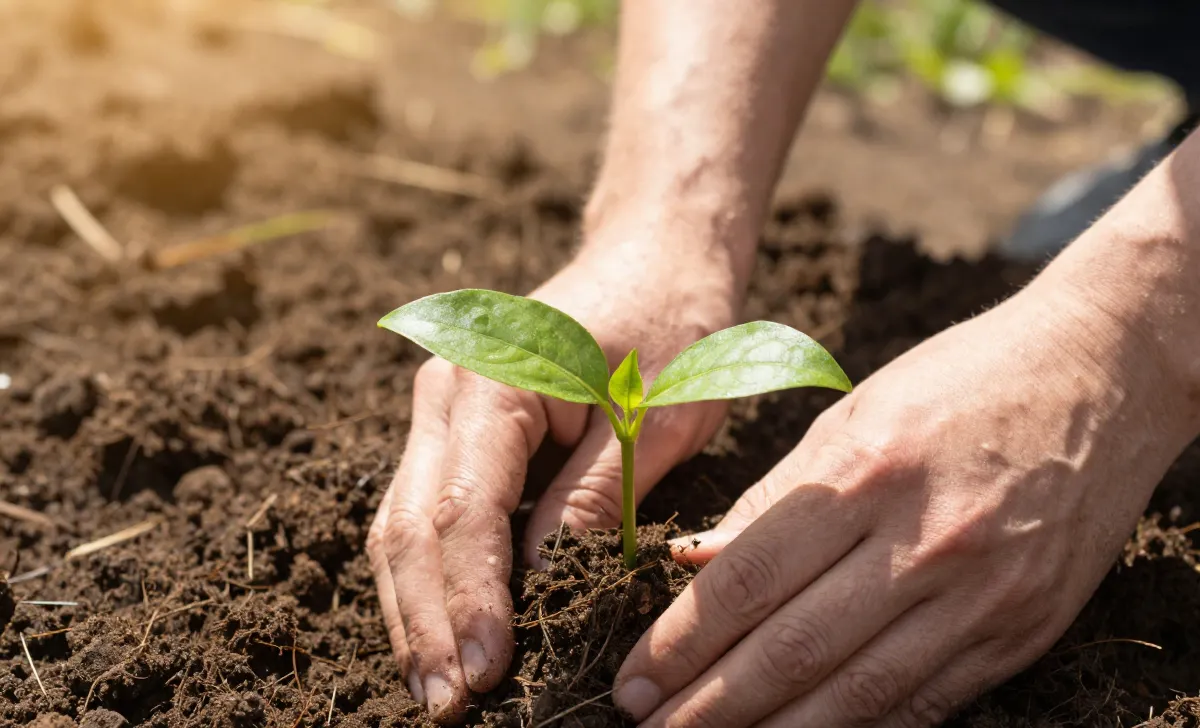
We hear it all the time: “Get healthy.” But let’s be honest, the idea of a complete lifestyle overhaul is overwhelming. It conjures images of restrictive diets, grueling two-hour gym sessions, and a total abandonment of life’s simple pleasures. No wonder so many well-intentioned plans fizzle out after a few weeks.
Here’s the truth you need to hear: Dramatic transformation doesn’t require dramatic action. The most profound and lasting improvements to your health and well-being come from the consistent application of small, manageable lifestyle changes. This isn’t about perfection; it’s about progression. This guide will walk you through the tangible, science-backed benefits of these little shifts and provide a practical, experience-based roadmap for making them stick. Forget quick fixes—this is about building a life where you feel better, from the inside out.
Understanding the Power of Incremental Change
Before we dive into the “how,” let’s solidify the “why.” A lifestyle improvement is any positive habit you integrate into your daily routine for the long-term benefit of your physical and mental well-being. The core principle is sustainability. Asking yourself to change everything at once is a recipe for burnout. It’s like trying to build a house by starting with the roof. You need a solid foundation, built one brick—or one healthy habit—at a time.


I learned this the hard way. Years ago, I’d launch into a strict January diet and exercise plan only to feel exhausted and deprived by February, reverting to old patterns. It wasn’t until I focused on one tiny change—drinking a large glass of water first thing every morning—that I experienced my first sustainable win. That small success created the momentum for the next.
The Tangible Benefits: More Than Just a Number on a Scale
Adopting healthier habits does more than just alter your physique. The benefits cascade into every corner of your life. Let’s break down what you can genuinely expect.
1. A Stronger Foundation: You’ll Build a More Resilient Immune System.
Think of your immune system as your body’s internal defense force. A healthy way of living is the most powerful training program. Small changes act as preventative medicine, fortifying your defenses against everyday germs and chronic ailments.
- Nutrition as Fuel: Incorporating more fruits and vegetables isn’t just about calories. These foods are packed with vitamins that help your body produce antioxidants. On a cellular level, these antioxidants neutralize free radicals—unstable molecules that can damage cells and contribute to heart disease, cancer, and other chronic illnesses. It’s less about a “diet” and more about consistently adding in the good stuff.
- Movement as Circulation: Regular, moderate exercise does more than burn calories. It improves blood circulation, allowing immune cells to move through your body more efficiently to find and tackle infections. It also helps your lymphatic system purge metabolic toxins. You don’t need to run a marathon; a brisk 30-minute walk most days is a powerful immune booster.
- Rest as Recovery: Sleep is non-negotiable for immune health. This is when your body repairs itself. Chronic lack of sleep elevates the stress hormone cortisol, which actively suppresses your immune system, making you more susceptible to everything from the common cold to longer recovery times.
- Mindful Avoidance: Avoiding smoking and limiting excessive alcohol are two of the most significant actions you can take. They directly reduce inflammation and cellular damage, lowering your long-term risk of serious disease and making it easier for your body to fight off routine bugs like the flu.
2. Renewed Energy and a Brighter Outlook: You’ll Feel Genuinely Rejuvenated.
How often have you felt that mid-afternoon slump or a general sense of lethargy? Many of us accept this as normal, but it’s often a direct result of our habits. A healthier lifestyle directly combats this.
Compare how you feel after a short walk outside versus after scrolling on the couch for an hour. The difference is physiological. Exercise prompts your body to release endorphins, your natural feel-good chemicals. This combination of better circulation and a neurochemical boost is what leads to that post-workout sense of clarity and rejuvenation, not fatigue. Similarly, swapping out processed junk food for whole foods provides steady energy, avoiding the sugar crashes that leave you feeling sluggish and contribute to low mood.
3. A Kinder Self-View: You’ll Cultivate a Better Self-Image and Confidence.
This is where the physical and emotional deeply connect. As you make changes that make your body feel stronger and more energized, your self-image naturally improves. You begin to trust and respect yourself more. This confidence isn’t about achieving a certain look; it’s about honoring your commitment to yourself.
For some, part of this journey toward self-acceptance may include medical interventions like cosmetic surgery. As noted by professionals at establishments like New Jersey Medical Spa, when chosen for the right reasons, such procedures can be a permanent solution to long-standing body image issues, removing a persistent source of anxiety and allowing confidence to flourish. The key is that any change—whether dietary, exercise-based, or procedural—should be a sustainable, realistic step you take for your long-term well-being, not a frantic reaction to external pressure.
4. Ripple Effects into Daily Life: You’ll Become More Productive and Present.
The benefits of feeling healthier don’t stay compartmentalized in the “fitness” part of your life. They snowball. Better sleep from daily activity leads to sharper focus. Stable energy levels from nutritious food prevent afternoon crashes. Reduced brain fog means you solve problems more efficiently.
Imagine at work: a colleague seems to be constantly battling colds and fatigue, struggling to keep up. They might confide that between work and family, they feel they have “no time” for their health. This is a common, valid concern. By sharing your own experience with small changes—like taking walking meetings or meal-prepping simple lunches—you don’t offer a rigid solution, but a perspective shift. You demonstrate that healthier ways of living can integrate into a busy life, ultimately creating more time and energy by improving productivity and reducing sick days.
Your Practical Blueprint: How to Make Changes That Actually Stick
Knowing the benefits is one thing. Implementing them is another. This is your action plan, grounded in realism.
1. Start Obsessively Small. Forget “work out five days a week.” Your first goal could be: “Put on my walking shoes every day after work.” Or, “Add one serving of vegetables to my dinner.” These tiny wins build the muscle of consistency. Success breeds motivation, not the other way around.
2. Stack Your Habits. Link a new habit to an existing one. This is called habit stacking. For example:
- After I pour my morning coffee, I will drink one full glass of water.
- After I come home from work, I will immediately change into my workout clothes.
- Before I start my lunch, I will take three deep breaths.
3. Redesign Your Environment. Make the healthy choice the easy choice.
- Want to eat more fruit? Wash it and place it in a bowl on the counter.
- Want to remember to take vitamins? Put them next to your toothbrush.
- Want to reduce screen time before bed? Charge your phone outside the bedroom.
4. Embrace the 80/20 Rule. Aim for consistency, not perfection. If you make nutrient-dense choices 80% of the time, the other 20% can be for life’s pleasures without guilt or derailment. This flexibility is what makes a lifestyle sustainable versus a short-term diet.
5. Focus on How You Feel, Not Just the Scale. Pay attention to non-scale victories. Do you have more energy? Sleep better? Feel less bloated? Is your mood more stable? These are the true markers of progress and are far more motivating over the long term than any single number.
The Long-Term View: Building a Life You Feel Good In
Improving your lifestyle is the ultimate act of self-respect. It’s a quiet commitment to showing up for yourself every day. By focusing on small, sustainable changes—better nutrition, consistent movement, quality sleep, and stress management—you are not just preventing illness. You are actively building a version of yourself that is more resilient, more energetic, more confident, and fully engaged in your own life.
The path isn’t linear. There will be days you skip the walk or enjoy the extra slice of cake. That’s part of being human. The goal is not to never falter, but to always return to the simple, healthy habits that make you feel your best. Start with one brick today. Before you know it, you’ll have built an unshakable foundation for lifelong well-being.